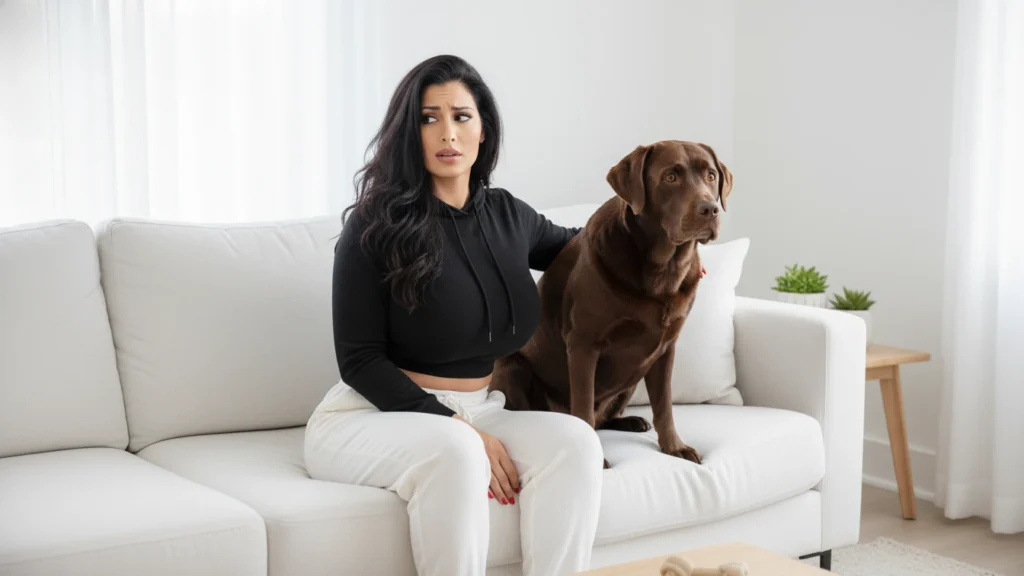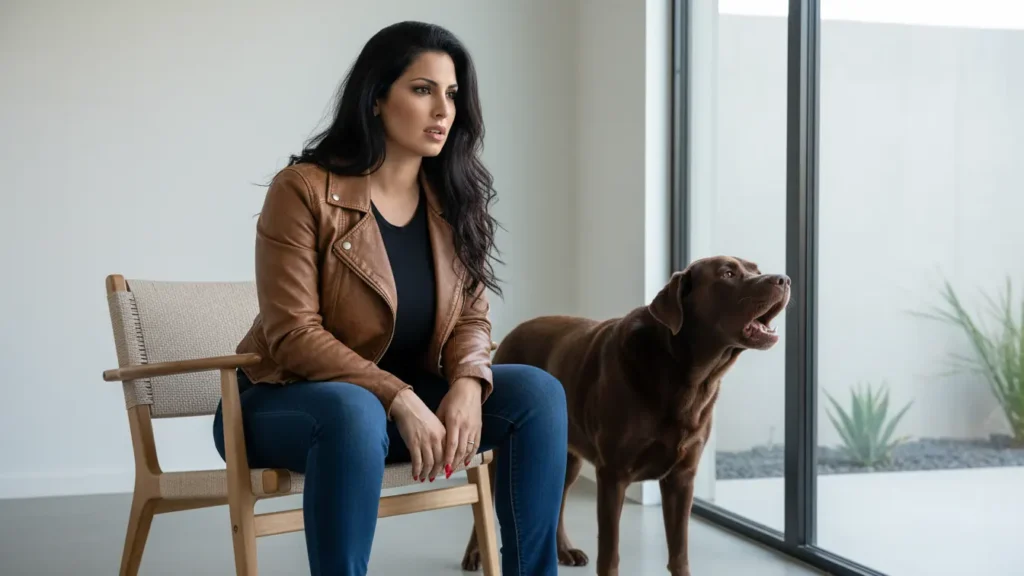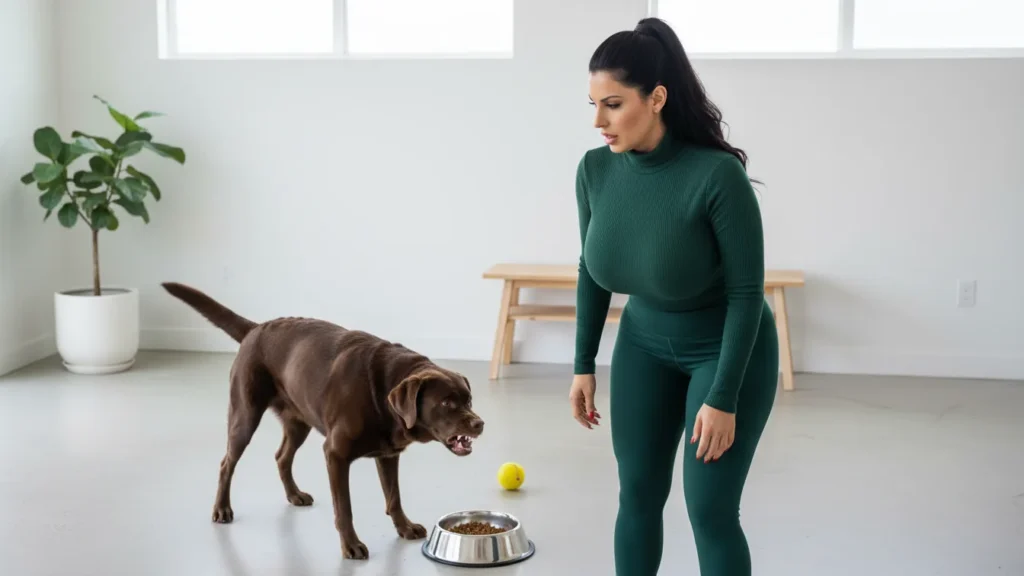
“When Mealtime Suddenly Feels Unsafe”
Your dog has always been gentle.
They waited patiently for meals.
Let you walk past their bowl.
Maybe even wagged their tail while eating.
Then one day, something changes.
A low growl.
A stiff body.
Teeth flashing when someone gets close.
Food aggression that appears suddenly is one of the most confusing — and frightening — behavior shifts dog owners experience.
And here’s the key truth many people miss:
👉 Food aggression is rarely about the food itself.
It’s usually a signal that something deeper has shifted in your dog’s body, emotions, or environment.
Understanding why this happens is the first step to fixing it calmly — without fear, punishment, or guilt.
What Food Aggression Really Is (And What It Isn’t)
Food aggression is a form of resource guarding.
From a dog’s perspective, food is survival.
Protecting it is instinct — not bad behavior.
What is concerning is when:
- The behavior appears suddenly
- The intensity escalates quickly
- A previously relaxed dog becomes defensive
This tells us the dog isn’t being “dominant” or “spoiled.”
They’re reacting.
The Most Common Hidden Reasons Dogs Become Food Aggressive Suddenly
1. Pain That You Can’t See
Pain is one of the most overlooked triggers.
A dog who hurts while bending, chewing, or swallowing may feel vulnerable during meals.
Common hidden pain sources include:
- Dental disease
- Neck or spine discomfort
- Arthritis
- Gastrointestinal pain
When pain enters the picture, dogs become protective — not aggressive by choice, but by instinct.
2. Anxiety Builds Quietly Before It Explodes
Dogs rarely wake up anxious overnight.
Stress often builds slowly due to:
- New pets in the home
- A baby or frequent guests
- Loud environments
- Changes in routine
- Owner stress (yes, dogs sense this)
Food becomes the one thing they can control.
So they guard it.
3. Past Experiences Suddenly “Activate”
Even dogs with calm histories may carry unresolved memories.
Examples:
- A time food was taken away abruptly
- Being punished near the bowl
- Competition with littermates earlier in life
These memories don’t disappear — they stay dormant until stress activates them.
4. Hunger Levels Change More Than You Realize
A dog who feels consistently underfed (or believes they might be) will guard harder.
This can happen when:
- Calories are reduced too fast
- A diet change leaves them unsatisfied
- Treats disappear suddenly
- Feeding schedules become inconsistent
To a dog’s brain, uncertainty equals threat.
5. Hormonal and Age-Related Changes
As dogs mature, their tolerance changes.
Senior dogs may:
- Lose vision or hearing
- Feel less secure
- Become more easily startled
Adolescent dogs may:
- Test boundaries
- Experience emotional fluctuations
- React more strongly to perceived threats
Food aggression often reflects emotional insecurity, not defiance.
Early Warning Signs Most Owners Miss
Food aggression doesn’t usually start with a bite.
It whispers before it shouts.
Watch for:
- Freezing when approached
- Eating faster than usual
- Whale eye (showing whites of eyes)
- Low growling without snapping
- Hovering over the bowl
- Tense jaw or stiff tail
Catching these early makes correction far easier and safer.
Why Punishment Makes Food Aggression Worse
This is one of the most important things to understand.
Yelling, scolding, or “asserting dominance” teaches your dog one thing:
👉 Humans near food are dangerous.
So the behavior escalates.
Punishment suppresses warnings — it doesn’t remove fear.
A dog that stops growling may jump straight to biting next time.
What Actually Helps: Calm, Evidence-Based Steps
Step 1: Create Mealtime Safety
- Feed in a quiet area
- Remove foot traffic
- Keep children away during meals
- Avoid reaching into the bowl
Safety reduces the need to guard.
Step 2: Rebuild Trust Around Food
Start slowly.
- Walk past the bowl and drop a high-value treat
- Do not stop or stare
- Let the dog associate approach with good things
Over time, proximity becomes positive.
Step 3: Hand-Feeding (When Safe)
Hand-feeding part of meals:
- Builds trust
- Reduces urgency
- Reframes food as shared, not stolen
Only do this if there’s no snapping risk.
Step 4: Consistency Is Powerful
Feed:
- Same times daily
- Same location
- Same calm routine
Predictability calms the nervous system.
Common Mistakes That Make Food Aggression Worse
Avoid these well-meaning but harmful actions:
- Taking food away “to show control”
- Staring at your dog while they eat
- Letting kids test boundaries
- Switching food repeatedly
- Ignoring early warning signs
Food aggression grows when dogs feel misunderstood.
Food Aggression vs. Normal Protective Behavior
| Behavior | Normal | Concerning |
|---|---|---|
| Faster eating | ✅ | ❌ if extreme |
| Mild stiffness | ✅ | ❌ if escalating |
| Growling occasionally | ⚠️ | ❌ if frequent |
| Snapping or biting | ❌ | ❌❌ |
| Freezing + eye whites | ⚠️ | ❌ |
Context and frequency matter more than isolated moments.
Why This Matters Today (More Than Ever)
Modern dogs live in busier homes.
More noise.
More people.
More changes.
Food may be the only constant they have.
When dogs guard food, they’re often saying:
“I need to feel safe again.”
Listening early prevents:
- Injuries
- Broken trust
- Long-term behavioral issues
- Difficult rehoming decisions
Key Takeaways
- Sudden food aggression is usually fear-based, not dominance
- Pain and anxiety are common hidden triggers
- Punishment increases risk
- Early signs are subtle but critical
- Calm, consistent routines restore safety
- Trust around food must be rebuilt — not forced
Frequently Asked Questions
1. Can food aggression appear in adult dogs suddenly?
Yes. Pain, stress, environmental changes, or past experiences can trigger it at any age.
2. Should I take my dog’s food away to train them?
No. This often worsens fear and increases bite risk.
3. Is food aggression a sign my dog is dangerous?
Not inherently. It’s a communication signal, not a character flaw.
4. Can food aggression be fixed?
In most cases, yes — with patience, consistency, and proper guidance.
5. Should I consult a professional?
If snapping or biting occurs, professional help ensures safety for everyone involved.
A Calm Final Thought
Food aggression doesn’t mean your dog has changed who they are.
It means something inside them feels uncertain.
When you respond with understanding instead of fear, most dogs don’t just improve —
they relax, trust, and soften again.
That’s where real progress begins.
Disclaimer: This article is for educational purposes only and does not replace individualized advice from a qualified veterinary or behavior professional.

Dr. Sofia Romano, DVM, is an experienced veterinarian specializing in small-animal medicine and preventive care. She has treated thousands of cases using evidence-based diagnostics and modern clinical practices. Dr. Romano is dedicated to providing science-backed pet-health guidance that helps owners make informed decisions and improve their pets’ quality of life.