
“Dog breath” gets treated as a punchline more often than a symptom. It’s the setup for jokes, the reason behind a wrinkled nose and a turned face, something owners half-expect and mostly tolerate. But veterinary dentists and the American Veterinary Medical Association have been trying to shift that framing for years, for a simple reason: in a large share of dogs, that smell isn’t background noise. It’s an active disease process, quietly progressing in a place owners can’t see.
The Disease Hiding Under the Gumline
The single most common cause of bad breath in dogs is periodontal disease, and the scale of it is larger than most owners assume. The American Veterinary Medical Association reports that periodontal disease affects nearly 80% of dogs by the age of three. VCA Animal Hospitals cites a similar figure — over 80% of dogs over age three have active dental disease — and notes that few dogs show obvious outward signs of it, leaving the burden of catching it on regular veterinary exams rather than casual observation at home.
Here’s the part that makes this genuinely tricky: according to the American Veterinary Dental College, by the time visible signs like bad breath and loose teeth show up, significant damage has often already occurred, because periodontal disease begins and progresses beneath the gumline, invisible even to an attentive owner peering into their dog’s mouth. White, clean-looking teeth don’t rule it out — the AVDC is explicit that dental appearance alone isn’t a reliable indicator, and that anesthesia-free “dental cleanings” offer no real protection against it, since they can’t reach or evaluate what’s happening below the gumline.
Left to progress, periodontal disease destroys the bone and tissue holding teeth in place, eventually leading to loose, painful teeth and infection. And it doesn’t necessarily stay contained to the mouth. Veterinary sources note that bacteria from advanced periodontal disease can enter the bloodstream and travel to other organs, contributing to systemic inflammation that’s been linked to effects on the heart, liver, and kidneys — meaning a dog’s dental health and a dog’s overall organ health aren’t as separate as they might seem.
When the Smell Is Coming From Somewhere Else Entirely
Dental disease explains most cases, but not all of them — and this is where bad breath becomes a genuinely useful diagnostic clue rather than just an unpleasant one. According to veterinary sources, specific breath odors can point toward different underlying conditions:
- A rotten or fishy smell most often points back to periodontal disease itself, caused by sulfur-producing bacteria thriving beneath the gumline.
- Ammonia or urine-like breath can be a sign of kidney disease, since failing kidneys lose the ability to filter waste products that then build up in the bloodstream.
- A sweet or fruity smell is a recognized hallmark of diabetic ketoacidosis, a dangerous and potentially life-threatening metabolic complication of unmanaged diabetes.
- A generally off, sour odor unrelated to obvious dental disease can sometimes point toward liver dysfunction, since the liver also plays a major role in clearing metabolic byproducts from the body.
This is why “bad breath” as a category deserves more specific attention than owners usually give it. The particular character of the smell — not just its presence — is part of what a veterinarian is listening for when a dog comes in for this complaint.
When This Becomes Urgent, Not Just Annoying
Most cases of dog breath are exactly what they seem: a sign of building dental disease that warrants a veterinary dental exam and, likely, a professional cleaning — not a middle-of-the-night emergency. But there are specific combinations of symptoms that genuinely shouldn’t wait:
- Ammonia-scented breath paired with vomiting or lethargy — this combination can indicate acute kidney failure, a condition that can be fatal without prompt treatment.
- Sweet or fruity breath paired with excessive thirst and urination — this pattern is consistent with diabetic ketoacidosis, a medical emergency typically requiring immediate IV fluids and insulin.
If your dog’s breath has changed suddenly and is accompanied by either of these symptom clusters, that’s a same-day veterinary concern, not a “mention it at the next checkup” one.
What Owners Can Actually Do
Because periodontal disease progresses invisibly, the AVDC is direct about what actually works and what doesn’t: the only reliable way to catch and address it early is regular veterinary dental evaluation and professional cleaning under anesthesia, which allows for a thorough exam, cleaning, and dental X-rays that can reveal bone loss and disease below the gumline — none of which is visible or assessable during a routine at-home look in your dog’s mouth.
At home, daily tooth brushing remains one of the most effective preventive tools available to owners, alongside dental chews and diets formulated to help reduce plaque buildup between professional cleanings. None of these replace professional care, but they meaningfully slow how quickly plaque and tartar accumulate in between visits.
The bigger shift worth making is simply in how the smell itself gets interpreted. “Dog breath” as an inevitable, mildly funny fact of pet ownership undersells what’s actually happening in roughly four out of five dogs by age three. Treating a persistent change in your dog’s breath as a legitimate symptom — worth a vet visit, not just an air freshener — is a small mental adjustment that lines up with what the AVMA, AVDC, and veterinary dental researchers have been trying to communicate for years: it’s rarely nothing, and it’s almost always more manageable the earlier it’s caught.
Sources & Further Reading
- “Doggie breath” could be a sign of serious disease — American Veterinary Medical Association (AVMA)
- Pet Periodontal Disease — American Veterinary Dental College (AVDC)
- Periodontal Disease in Small Animals — Merck Veterinary Manual
- Dental Disease in Dogs — VCA Animal Hospitals
- Bad Breath (Halitosis) in Dogs — Causes, Treatment and Associated Symptoms — Vetster

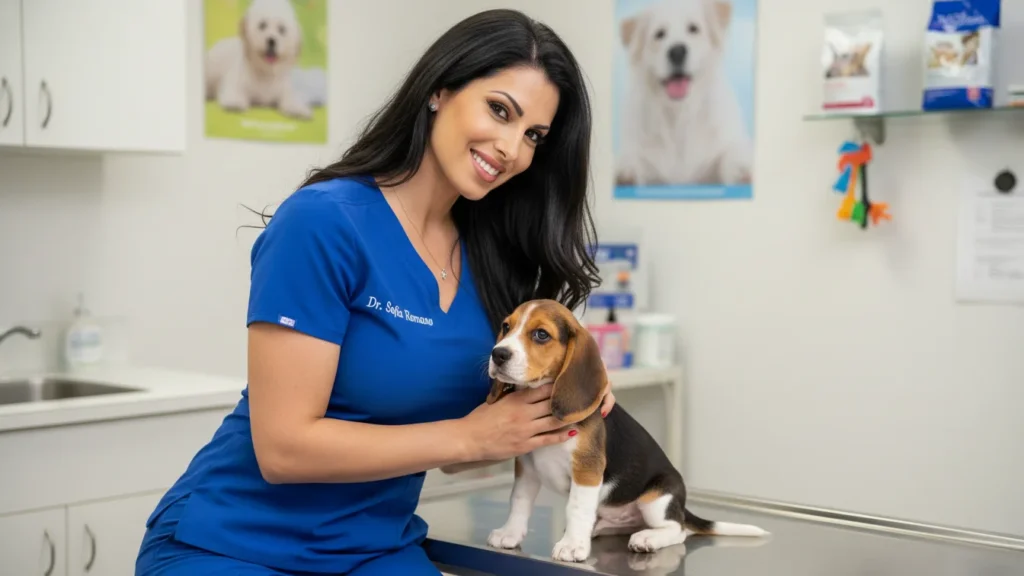
Dr. Sofia Romano, DVM, is an experienced veterinarian specializing in small-animal medicine and preventive care. She has treated thousands of cases using evidence-based diagnostics and modern clinical practices. Dr. Romano is dedicated to providing science-backed pet-health guidance that helps owners make informed decisions and improve their pets’ quality of life.




Pingback: Why Your Dog Suddenly Becomes Food Aggressive — The Hidden Triggers Most Owners Miss
Pingback: Why Dogs Keep Sneezing — Allergies Or Infection? The Signs Most Owners Overlook