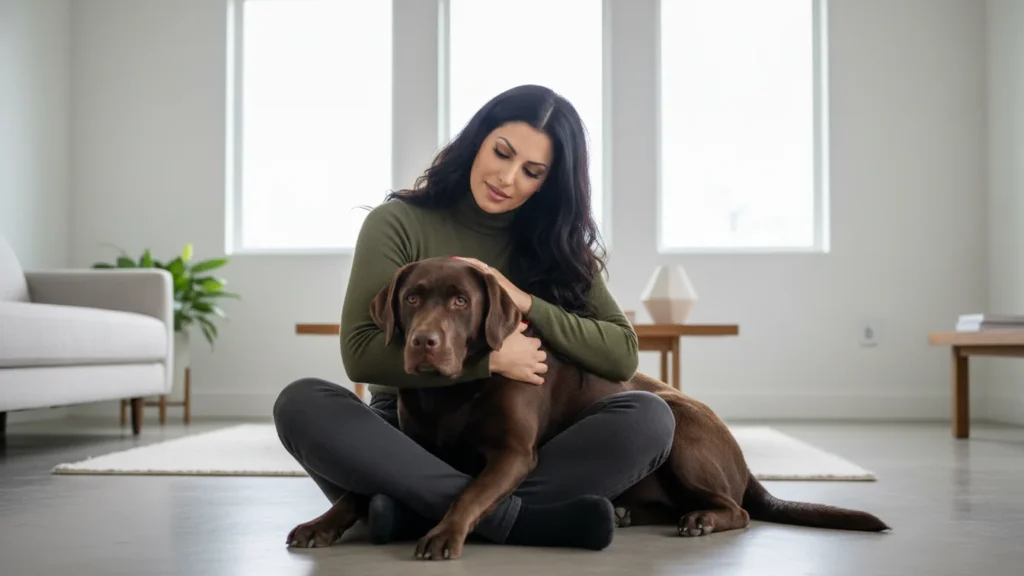
“He’s Just Not Himself Anymore”
It doesn’t happen overnight.
Your dog still eats — but slower.
They still follow you — but without enthusiasm.
Their tail still moves — just not the way it used to.
Many owners describe it the same way:
“Nothing is wrong… but something feels different.”
Depression in dogs isn’t dramatic.
It doesn’t look like crying or sadness the way humans imagine it.
Instead, it shows up quietly — through behavioral withdrawal, emotional flatness, and loss of interest in life.
And because these signs are subtle, they’re often missed or misunderstood.
This guide helps you recognize true canine depression, understand what causes it, and learn what actually helps dogs recover emotionally.
Can Dogs Really Get Depressed?
Yes — but not exactly like humans.
Dogs don’t ruminate on thoughts or feel guilt.
But they do experience emotional states influenced by:
- Brain chemistry
- Routine and environment
- Social bonds
- Physical comfort
Veterinary behaviorists recognize canine depression as a real, observable condition, often triggered by change, loss, or prolonged stress.
The key is recognizing the pattern, not a single behavior.
Depression vs Normal Mood Changes: Why the Difference Matters
Every dog has off days.
But depression is persistent, not temporary.
Normal mood dips:
- Resolve within days
- Improve with play or attention
- Don’t affect basic functioning
Depression:
- Lasts weeks or longer
- Reduces interest in favorite activities
- Alters sleep, appetite, and interaction
That difference determines whether a dog needs support or intervention.
Early Sign #1: Loss of Interest in Things They Loved
This is often the first sign owners notice.
Dogs with depression may:
- Ignore toys
- Stop greeting family members
- Lose interest in walks
- Skip playtime
It’s not laziness — it’s emotional disengagement.
Owners often say:
“He just doesn’t seem excited anymore.”
That loss of joy matters.
Early Sign #2: Changes in Sleep Patterns
Depressed dogs often sleep differently.
You may notice:
- Sleeping more than usual
- Difficulty settling
- Restless napping
- Staying in one spot for hours
Sleep becomes a way to disengage from stimulation.
This change often develops gradually, making it easy to overlook.
Early Sign #3: Reduced Social Interaction
Dogs are social by nature.
Depression can cause:
- Avoidance of contact
- Reduced eye engagement
- Lack of response to affection
- Preference for isolation
Some dogs become withdrawn.
Others become unusually clingy.
Both reflect emotional imbalance.
Early Sign #4: Appetite Changes Without Illness
Depressed dogs often eat differently.
This may look like:
- Eating slower
- Leaving food unfinished
- Skipping meals occasionally
- Less excitement around feeding
Unlike medical appetite loss, this often comes without vomiting or digestive upset.
It’s emotional, not physical — at least initially.
Early Sign #5: Decreased Energy and Motivation
This isn’t normal tiredness.
Depressed dogs may:
- Move less
- Hesitate to get up
- Avoid exploration
- Stop initiating activity
They aren’t weak — they’re unmotivated.
Owners frequently mistake this for aging, especially in senior dogs.
What Causes Depression in Dogs?
Depression usually has a trigger.
Common causes include:
- Loss of a companion (human or pet)
- Sudden routine changes
- Moving homes
- Reduced activity or stimulation
- Chronic stress or anxiety
- Prolonged illness or pain
Dogs thrive on predictability.
When that stability disappears, emotional health suffers.
Depression vs Anxiety vs Medical Illness
Not all “sad” behavior is depression.
Understanding the difference matters.
Quick Comparison
| Feature | Depression | Anxiety | Medical Issue |
|---|---|---|---|
| Energy | Low | Restless | Variable |
| Appetite | Reduced | Variable | Often reduced |
| Interaction | Withdrawn | Clingy or reactive | Reduced |
| Sleep | Excessive | Disrupted | Disrupted |
| Response to comfort | Minimal | Temporary | Minimal |
Medical causes must always be ruled out before labeling depression.
Hidden Tip: Pain Often Masquerades as Depression
One of the most overlooked causes of “depression” is chronic pain.
Arthritis, dental disease, or internal discomfort can cause:
- Withdrawal
- Reduced play
- Sleep changes
- Mood flattening
Dogs rarely cry or limp — they disengage.
That’s why emotional changes should never be dismissed without evaluation.
Common Mistakes Owners Make
Even loving owners can unintentionally delay recovery.
Mistakes include:
- Assuming it’s “just age”
- Reducing stimulation further
- Forcing interaction
- Ignoring subtle changes
- Waiting for appetite loss
Depression improves with gentle engagement, not withdrawal.
What You Can Do to Help a Depressed Dog
Support doesn’t have to be dramatic.
Small, consistent steps matter most.
Helpful strategies:
- Maintain predictable routines
- Encourage short, positive activities
- Offer mental enrichment
- Increase gentle social interaction
- Avoid punishment or pressure
- Create calm, safe spaces
Recovery is gradual — and that’s normal.
When Professional Help Is Important
If symptoms:
- Last more than 2–3 weeks
- Worsen over time
- Affect appetite significantly
- Appear suddenly
- Occur alongside physical changes
Professional guidance helps rule out medical causes and guide emotional support.
Why This Matters Today
Dogs live closely with humans.
That means they’re deeply affected by:
- Lifestyle changes
- Emotional environments
- Loss and disruption
Recognizing depression early allows dogs to heal emotionally, not just survive physically.
Mental health matters — for them too.
Key Takeaways
- Dogs can experience depression
- Signs are subtle and behavioral
- Loss of joy is a major clue
- Pain and illness can mimic depression
- Early support improves recovery
Frequently Asked Questions
1. Can dogs get depressed after losing a companion?
Yes. Grief is a common trigger.
2. Do depressed dogs recover?
Most do — especially with early support.
3. Is depression common in senior dogs?
Yes, but it’s not inevitable and shouldn’t be ignored.
4. Should I force my dog to play?
No. Gentle encouragement works better than pressure.
5. Can routine changes alone cause depression?
Absolutely. Dogs rely heavily on structure.
Conclusion
When a dog becomes depressed, they’re not being difficult — they’re struggling quietly.
The loss of joy, energy, and connection is their way of asking for help.
By noticing the subtle signs early and responding with patience, structure, and compassion, you give your dog something powerful:
A reason to feel safe, engaged, and hopeful again.
Disclaimer
This article is for general educational purposes only and does not replace professional veterinary or behavioral advice. If your dog’s behavior changes persist, consult a qualified professional.

Dr. Sofia Romano, DVM, is an experienced veterinarian specializing in small-animal medicine and preventive care. She has treated thousands of cases using evidence-based diagnostics and modern clinical practices. Dr. Romano is dedicated to providing science-backed pet-health guidance that helps owners make informed decisions and improve their pets’ quality of life.





Pingback: Why Dogs Eat Their Own Poop — Behavioral And Medical Causes Vets Explain
Pingback: Why Your Dog Pants Even When It’s Not Hot — Hidden Causes Vets Watch For
Pingback: Why Your Dog Suddenly Becomes Food Aggressive — The Hidden Triggers Most Owners Miss
Pingback: Why Dogs Act Different After Visiting The Vet — What Their Behavior Is Really Telling You
Pingback: Why Dogs Develop Anxiety After Moving Homes — The Quiet Stress That Changes Their Behavior
Pingback: Why Dogs Watch You More Than You Realize — The Quiet Behavior That Explains Everything
Pingback: Why Puppies Attach To Objects — The Hidden Emotional Reason They Cling To Toys, Blankets, And “Random” Things