
Here’s something most owners never realize: veterinary cardiologists actually ask owners to count their dog’s breaths at home, as an early-warning tool for heart disease. Not a fancy device, not a clinic visit — just watching your dog’s chest rise and fall while they’re resting, and counting for sixty seconds.
The reason that simple habit matters so much is this: a healthy, resting dog typically breathes between 15 and 35 times per minute, and generally shouldn’t need to pant at all when they’re calm, cool, and not exercising. So when panting shows up with no obvious trigger — no heat, no play session, no excitement — it’s not just a quirky habit. It’s information, and sometimes it’s an early flag for something that needs attention.
The Baseline Worth Knowing
Panting itself isn’t the problem. It’s a dog’s primary cooling system, since dogs don’t sweat the way people do — they regulate temperature by rapidly moving air across the tongue and lungs. Panting after a walk, during a car ride, or when genuinely excited is completely normal and needs no concern at all.
What changes the picture is context. Panting that doesn’t match the temperature, the activity level, or the situation is what veterinarians consider abnormal — meaning if your dog is resting quietly indoors, in a cool room, and still panting heavily, that mismatch is the actual signal worth paying attention to, not the panting itself.
The Hidden Causes Vets Actually Watch For
Pain. This is one of the most commonly missed explanations, precisely because dogs are so good at masking discomfort. Panting is frequently one of the very first signs of pain — often showing up well before more obvious cues like limping or whining. Arthritis, dental disease, abdominal pain, and recent injury can all produce panting as the earliest visible clue, long before a dog outwardly seems “hurt.”
Anxiety and stress. Genuinely underappreciated as a cause, and surprisingly common. Thunderstorms, fireworks, car rides, vet visits, and unfamiliar environments can all trigger panting driven purely by emotion, sometimes even in a dog who otherwise looks outwardly calm. Separation anxiety specifically can cause panting that continues well after the dog is technically “settled” into being alone.
Heart disease. Particularly relevant in older dogs and certain predisposed breeds. Because the heart isn’t circulating oxygen efficiently, the body compensates by increasing respiratory rate — which is exactly why that at-home breath-counting habit matters so much for dogs already managing a cardiac condition. Watch for panting paired with reduced exercise tolerance, coughing, or reluctance to lie down comfortably.
Cushing’s disease (hyperadrenocorticism). A hormonal condition, more common in middle-aged to older dogs, caused by elevated cortisol levels. Alongside panting, affected dogs often show increased thirst, more frequent urination, and a noticeably pot-bellied appearance over time.
Respiratory conditions. Pneumonia, laryngeal paralysis, tracheal collapse, and fluid around the lungs can all force a dog to breathe harder and faster simply to get enough oxygen. These tend to come with additional signs like coughing, wheezing, or visibly labored breathing.
Anemia. A low red blood cell count means less oxygen reaching the body’s tissues, and panting becomes the body’s way of trying to compensate for that shortfall.
Medication side effects. Certain drugs, including some steroids, can cause increased panting as a known side effect — worth mentioning to your vet if the timing lines up with a recent prescription change.
Breeds That Run a Different Baseline
Brachycephalic breeds — Bulldogs, Pugs, French Bulldogs, Boston Terriers, and similar flat-faced dogs — genuinely pant more than other breeds under normal circumstances, simply due to their airway structure. This doesn’t mean their panting should be ignored; it means their “normal” baseline runs heavier than other breeds, and owners of these dogs should pay particularly close attention to changes from their own dog’s individual pattern, rather than comparing to a straight-muzzled breed’s baseline.
When Panting Becomes an Emergency
Most causes of unexplained panting warrant a scheduled vet visit rather than a panicked drive to the emergency room. But certain combinations should move you to urgent care immediately:
- Sudden heavy panting paired with bright red or blue-tinged gums, disorientation, or difficulty standing
- Panting combined with a swollen or distended abdomen
- Collapse, confusion, or an inability to settle at all
- Heavy panting in a senior dog alongside coughing and noticeable exercise intolerance
- A resting breathing rate consistently above 40 breaths per minute with no clear trigger
How to Actually Count Your Dog’s Breathing Rate
This is the single most useful, genuinely actionable habit from this entire topic, and it takes under a minute: while your dog is resting calmly (not sleeping, not panting from activity), watch their chest and count each full rise-and-fall as one breath for 15 seconds, then multiply by four. Anything consistently over 30-35 at rest, especially in a dog with known heart concerns, is worth flagging to your vet — and tracking the trend over days matters more than any single reading.
The Bottom Line
Panting is one of the few signals dogs give that’s genuinely easy to track and genuinely worth tracking. Most of the time, it means exactly what it looks like: your dog is warm, excited, or just finished playing. But when it shows up detached from any of those normal triggers, it’s your dog’s body trying to tell you something specific — and that “something” is worth a real conversation with your vet, not a guess.
Sources
- PetMD – Why Do Dogs Pant? What to Know About Dogs and Panting
- WebMD – Dog Panting Heavily
- Ashby Animal Clinic – Is That Normal Dog Panting or a Problem?
- Savannah Veterinary Internal Medicine – Is Your Dog Just Cooling Off?
- Advanced Care Animal Clinic – Causes of Excessive Panting in Dogs & When to Be Concerned

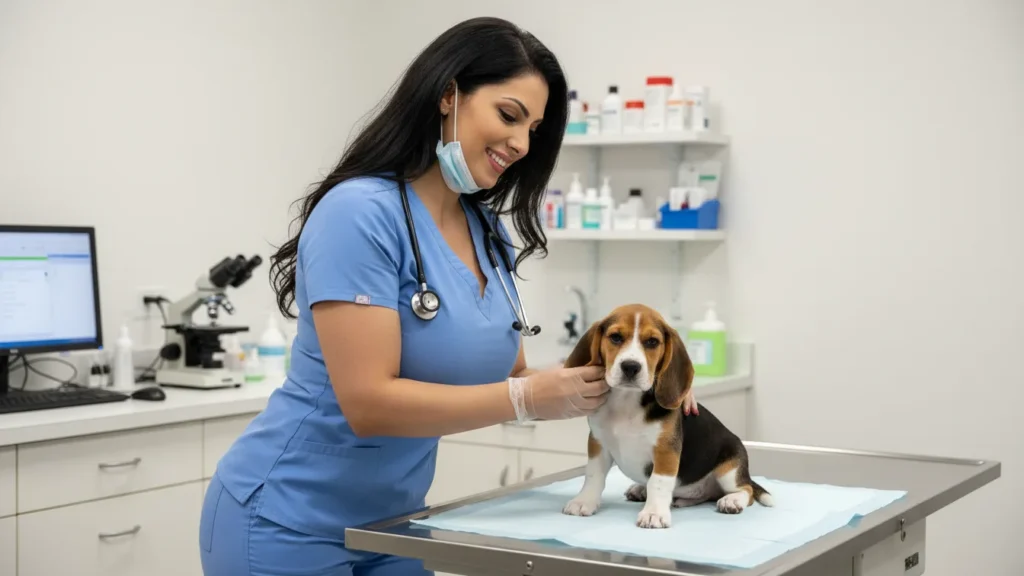
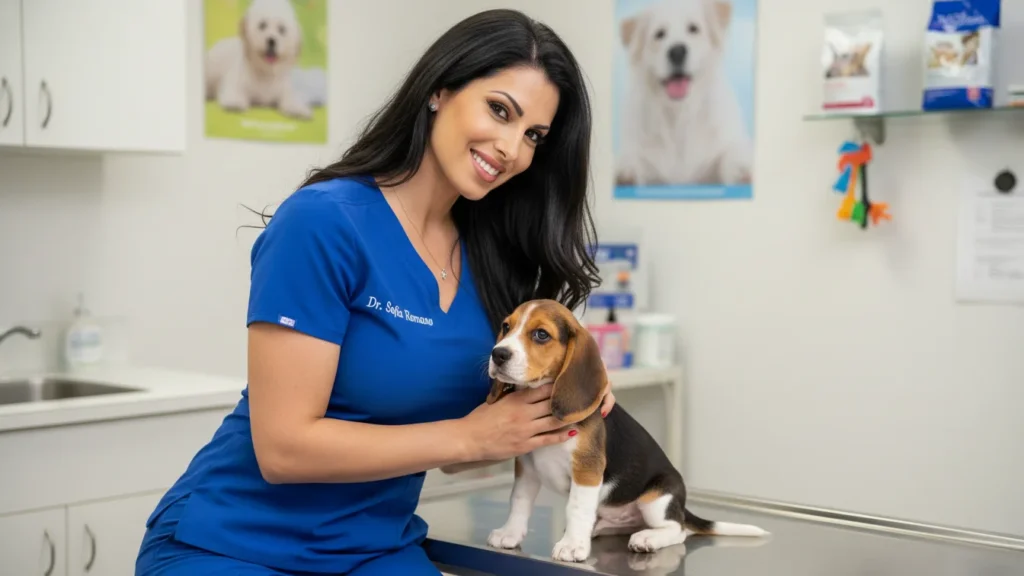
Dr. Sofia Romano, DVM, is an experienced veterinarian specializing in small-animal medicine and preventive care. She has treated thousands of cases using evidence-based diagnostics and modern clinical practices. Dr. Romano is dedicated to providing science-backed pet-health guidance that helps owners make informed decisions and improve their pets’ quality of life.




Pingback: Why Your Dog Is Suddenly Afraid Of Going Outside — A Vet Explains The Hidden Triggers
Pingback: Why Dogs Suddenly Become Aggressive At Home — A Vet Explains The Hidden Triggers Most Owners Miss
Pingback: Why Dogs Prefer Cold Floors Over Beds — What Their Body Is Really Telling You
Pingback: Why Dogs Keep Shaking After A Bath — The Real Reasons Behind This Instinctive Behavior
Pingback: Why Dogs Act Strange During Weather Changes — The Hidden Signals Their Bodies Sense Before You Do
Pingback: Why Your Dog Breathes Faster At Rest — Hidden Causes Vets Watch For
Pingback: Why Dogs Sense Tension Before Arguments Start — The Invisible Signals They Read Before We Speak