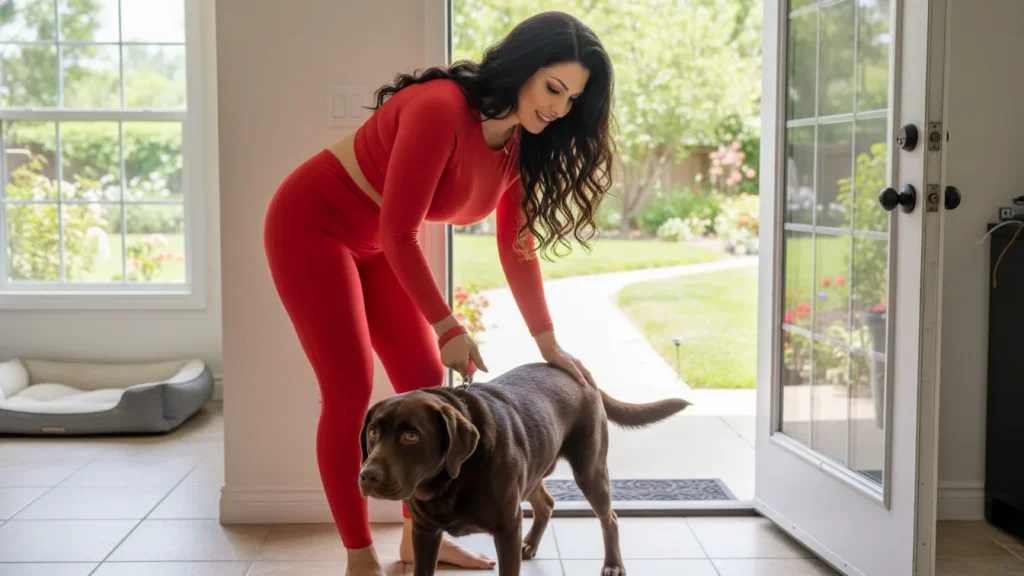
You grab the leash, cheerfully announce that it’s time for a walk, and head for the front door. But instead of the usual happy tippy-taps and tail wags, your dog completely freezes. They might lower their head, tuck their tail, or pancake themselves flat against the hallway floor, trembling.
Watching your normally adventurous best friend suddenly become terrified of the outside world is heartbreaking. It’s also incredibly frustrating when you just need them to do their business before you leave for work.
When a dog suddenly develops agoraphobia (fear of the outdoors), it is rarely just them being stubborn. A sudden behavioral change is a dog’s way of flashing a giant neon warning sign. From invisible physical pain to environmental triggers you can’t even perceive, here is what veterinarians and behaviorists want you to know about your dog’s sudden indoor-only preference.
1. The “Invisible” Acoustic Trauma
Dogs are masters of something behaviorists call single-event learning. It means it only takes one terrifying experience for a dog to permanently associate a location with absolute danger.
Because a dog’s hearing is exponentially more sensitive than ours, the trigger might have been something you didn’t even notice. A car backfiring three streets over, the sudden hiss of a neighbor’s pneumatic tool, or a distant rumble of thunder while they were doing their business can be enough to traumatize them.
To your dog, the yard didn’t just happen to be the place where they heard the scary noise. In their mind, the yard actually caused the scary noise. Stepping outside now feels like walking back into a haunted house.
2. Unseen Physical Pain
In the veterinary world, any sudden change in behavior warrants an immediate pain assessment. Dogs are stoic creatures that naturally hide physical weakness, but that pain can manifest as a refusal to move.
If your dog associates walking outside with physical discomfort, they will simply stop wanting to go. Vets look for several hidden culprits:
- Paw Pad Injuries: A tiny thorn, a cracked pad from hot pavement, or a buried grass awn (foxtail) between the toes turns every step in the grass into a sharp pinch.
- Osteoarthritis: If you have steps leading down to your yard, an older dog with silent joint pain might realize that going outside means they eventually have to climb back up those painful stairs.
- Tick-Borne Diseases: Conditions like Lyme disease can cause sudden, migrating joint pain and lethargy, making a walk feel exhausting and painful.
3. Sensory Degradation (Failing Vision or Hearing)
Imagine trying to navigate your neighborhood at dusk if your glasses were smeared with vaseline and you were wearing earplugs. It would be terrifying.
As dogs age, they frequently develop conditions like cataracts, Progressive Retinal Atrophy (PRA), or general hearing loss. When their primary senses begin to fail, the vast, unpredictable outdoor environment becomes overwhelming. Shadows might suddenly look like looming threats, and the inability to pinpoint where a sound is coming from causes deep anxiety. If your senior dog is only afraid of going out at night, vision loss is a primary suspect.
4. Micro-Changes in the Environment
Dogs process the world primarily through their noses. Their olfactory system is so powerful they can literally smell time passing.
Because of this, your dog might be refusing to go outside because the yard smells completely different, even if it looks identical to you. If a predator—like a coyote, fox, or even an aggressive stray dog—marked a tree in your yard overnight, your dog can smell the chemical warning. To a sensitive or submissive dog, stepping out the back door feels like stepping into a bully’s territory.
Actionable Steps: How to Help Your Dog
If your dog is putting on the brakes at the front door, the very worst thing you can do is pull them on the leash. Dragging a terrified dog across the threshold only validates their fear and destroys their trust in you. Instead, take these steps:
- Do a Physical Once-Over: Gently examine your dog’s paw pads, spread their toes, and check their nails. Gently run your hands down their legs and spine to check for flinching or heat.
- Book a Vet Visit: Before you start behavioral training, rule out the medical side. A thorough veterinary exam is required to ensure you aren’t trying to “train” a dog out of a torn ligament or a tick-borne illness.
- Change the Scenery: If the backyard is the source of the trauma, try taking them out the front door instead. Sometimes a completely different door breaks the negative association.
- Counter-Conditioning: Bring their meals right to the threshold of the open door. Don’t force them out. Let them eat near the outside world, gradually moving the bowl an inch further outside each day. You are slowly rewiring their brain to associate the outdoors with high-value rewards.
Patience is your greatest tool here. By understanding that your dog’s fear is incredibly real to them, you can gently guide them back to enjoying the sunshine at their own pace.
High-Authority Sources & Veterinary References
To ensure your dog receives the safest and most accurate care, the insights in this article are backed by leading animal health organizations. For deeper reading on canine anxiety and health, explore these trusted resources:
- American College of Veterinary Behaviorists (ACVB): Understanding the mechanisms of Fear, Phobias, and Anxiety in Dogs.
- Cornell University College of Veterinary Medicine: Recognizing the hidden signs of Osteoarthritis and Joint Pain in Dogs.
- American Veterinary Medical Association (AVMA): The dangers of grass awns and hidden Paw Injuries in Pets.
- PetMD (Veterinary Authored): Behavioral and medical reasons Why Your Dog Won’t Go Outside.

Dr. Sofia Romano, DVM, is an experienced veterinarian specializing in small-animal medicine and preventive care. She has treated thousands of cases using evidence-based diagnostics and modern clinical practices. Dr. Romano is dedicated to providing science-backed pet-health guidance that helps owners make informed decisions and improve their pets’ quality of life.





Pingback: Why Your Dog Breathes Faster At Rest — Hidden Causes Vets Watch For