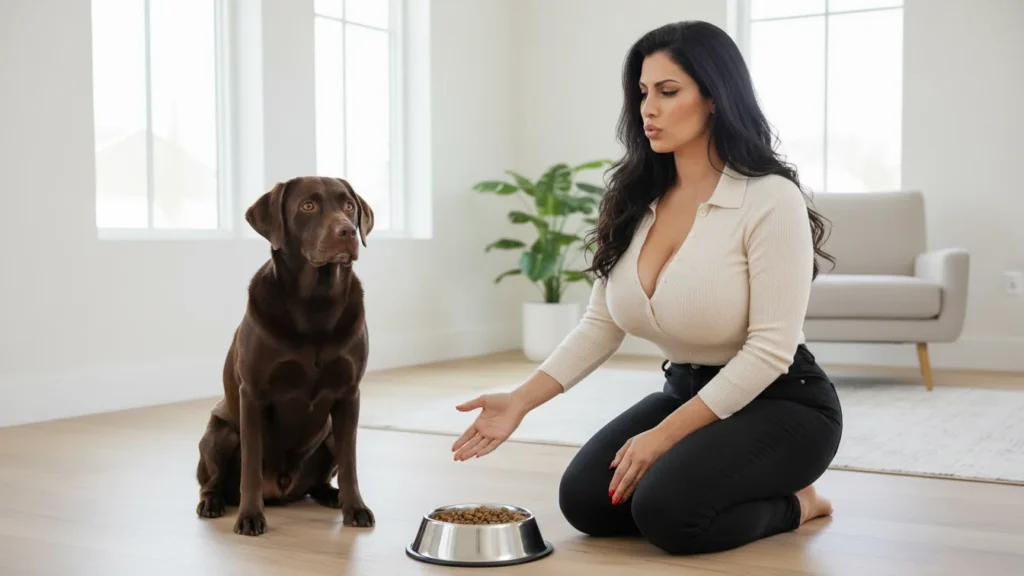
You grab the scoop, rattle the kibble into their stainless steel bowl, and wait for the familiar sound of eager crunching. But this time, your dog walks up, gives the bowl a thorough sniff, and simply walks away.
You try adding a splash of water. Nothing. You try hand-feeding them. They turn their head.
When a dog who has happily eaten the exact same dry food for months—or years—suddenly goes on a hunger strike, it instantly sets off alarm bells for pet parents. Your first instinct is probably to rush back to the pet store and buy three different flavors to see what they will accept.
Veterinarians urge you to pause before changing their diet. A sudden refusal of dry food is rarely a sudden change in culinary preference. From invisible pain to spoiled ingredients, here are the real reasons your dog is refusing their kibble, and exactly how to respond.
1. The Bag Actually Went Bad (Lipid Oxidation)
We tend to view dry kibble as invincible, assuming it lasts forever as long as it’s kept indoors. This is a massive misconception.
Dry dog food gets its palatability from rendered animal fats sprayed onto the outside of the kibble. The moment you break the seal on a new bag of dog food, oxygen hits those fats and the clock starts ticking. This process is called lipid oxidation. Within a few weeks, especially in warm or humid environments, those fats go rancid.
While you might not be able to smell the difference, your dog—with a nose up to 100,000 times more powerful than yours—absolutely can. To them, the bowl smells like rotting garbage. If you recently reached the bottom third of a large bag that has been open for over a month, your dog isn’t being picky; they are protecting themselves from spoiled food.
2. Silent Dental Agony
Kibble is hard. If a dog suddenly refuses dry food but eagerly scarfs down a soft treat, a slice of cheese, or wet canned food, veterinarians immediately suspect a problem in the mouth.
Dogs are incredibly stoic when it comes to oral pain. They might have a fractured carnassial tooth (the large chewing teeth at the back of the mouth), an exposed root nerve, or severe periodontal disease. Biting down on a hard piece of kibble sends a shockwave of pain through their jaw. They still feel hungry, but the physical act of crunching is simply too agonizing to endure.
3. Gastrointestinal Distress and “Food Aversion”
Think about the last time you ate something that gave you terrible food poisoning. Even looking at that specific food a year later probably makes your stomach churn. Dogs experience the exact same psychological phenomenon, known as conditioned taste aversion.
If your dog ate their kibble and then experienced a bout of gastroenteritis, acid reflux, or an inflamed pancreas, their brain creates a permanent negative association. They blame the kibble for the stomach ache. Even after they physically heal, the smell of that specific dry food triggers nausea and anxiety, causing them to flat-out refuse it.
4. You Accidentally Trained a “Holdout”
Sometimes, the problem isn’t medical. It’s behavioral—and you might have accidentally caused it.
If your dog hesitates at their bowl for a few minutes, what is your immediate reaction? Most loving owners will sprinkle a little shredded chicken, some cheese, or a spoonful of wet food on top to “encourage” them to eat.
Dogs are opportunistic geniuses. It only takes two or three times for a dog to learn the equation: If I ignore the boring brown circles, the human will eventually panic and bring out the good stuff. They aren’t sick; they are just calling your bluff. They know that if they wait you out, a better menu is coming.
5. Sensory Decline in Senior Dogs
If you have a senior dog (generally over the age of 8) who is slowly losing interest in their dry food, their senses may be fading.
A dog’s appetite is almost entirely driven by smell, not taste. As dogs age, their olfactory receptors naturally degrade. If they can no longer smell the savory fats on the outside of the kibble, the food suddenly seems like a bowl of flavorless cardboard.
The 24-Hour Rule: What to Do Next
If your dog refuses their breakfast, do not panic, and do not immediately shower their bowl with treats. Use this veterinary-approved troubleshooting guide:
- The Treat Test: Offer them a highly desirable, hard treat (like a milk bone). If they refuse it or drop it out of the side of their mouth, you are likely dealing with dental pain or severe nausea. Call the vet.
- The “Warm Water” Trick: If you suspect fading senses or stale food, pour a half-cup of very warm water over the kibble and let it sit for five minutes. The heat releases the aromatic oils in the food, creating a gravy that amplifies the smell and softens the crunch.
- Check the Expiration and Storage: Never pour dog food into a plastic bin and throw away the original bag. Keep the food inside the original, foil-lined bag (which is designed to block oxidation) and put the entire bag inside an airtight container.
- Hold Your Ground (For 24 Hours): If the dog is drinking water, acting completely normal, and has normal stools, put the bowl down for 15 minutes. If they don’t eat, pick it up. Try again at dinner. A healthy dog will not starve themselves.
When to Call the Vet: If the hunger strike lasts for more than 24 hours, or is accompanied by vomiting, diarrhea, lethargy, or drooling, bypass the “wait and see” approach. Sudden anorexia is a primary symptom of everything from intestinal blockages to tick-borne diseases. A quick veterinary exam will tell you whether you have a medical emergency or just a very stubborn food critic on your hands.
High-Authority Sources & Veterinary References
To ensure you are feeding your dog safely and recognizing true medical emergencies, the insights in this article are backed by established veterinary and regulatory bodies. For further reading, consult these trusted resources:
- U.S. Food and Drug Administration (FDA): Proper safety protocols and How to Safely Store Pet Food.
- Tufts University Cummings School of Veterinary Medicine: A clinical look at behavioral feeding and Why Your Dog is a Picky Eater.
- American Veterinary Medical Association (AVMA): Understanding the hidden signs and prevalence of Pet Dental Disease.
- PetMD (Veterinary Authored): Diagnostic reasons behind sudden appetite loss and Why Won’t My Dog Eat?.

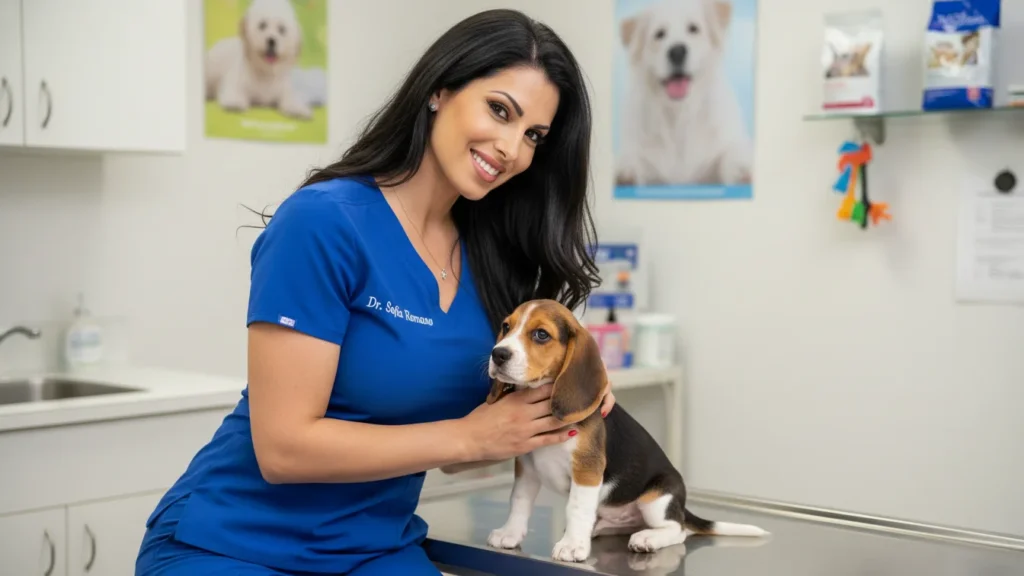
Dr. Sofia Romano, DVM, is an experienced veterinarian specializing in small-animal medicine and preventive care. She has treated thousands of cases using evidence-based diagnostics and modern clinical practices. Dr. Romano is dedicated to providing science-backed pet-health guidance that helps owners make informed decisions and improve their pets’ quality of life.


Pingback: Why Dogs Eat Their Own Poop — Behavioral And Medical Causes Vets Explain
Pingback: Why Dogs Pause Before Eating — The Quiet Behaviour That Tells You More Than You Think