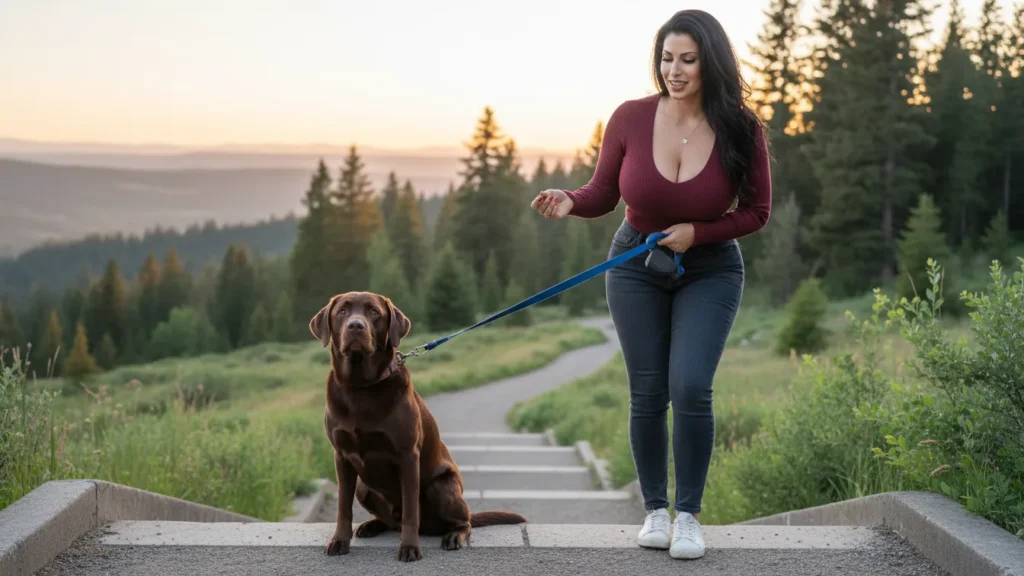
“The Walk That Didn’t Happen”
Yesterday, your dog dragged you to the door the moment you picked up the leash.
Today?
They turn away.
Sit down.
Or refuse to move once outside.
At first, you think:
“Maybe they’re just tired.”
But when it keeps happening, worry creeps in.
Here’s the truth many owners don’t realize:
Dogs don’t suddenly stop enjoying walks without a reason.
A change this noticeable is communication — not stubbornness, not laziness, and not “mood.”
This article breaks down the real reasons dogs suddenly refuse walks, how to tell what’s behind it, and what to do next — calmly, safely, and effectively.
Why a Sudden Change in Walking Behavior Matters
Walking is more than exercise for dogs.
It’s:
- Exploration
- Mental stimulation
- Routine
- Emotional regulation
So when a dog avoids walks, something important has shifted.
Veterinarians and behaviorists consider sudden walk refusal a red-flag behavior, especially when it appears overnight or worsens quickly.
Why this matters today:
Modern dogs face more environmental stressors, urban noise, schedule changes, and hidden health issues than ever before. Walk avoidance is often the first visible sign.
Reason #1: Pain You Can’t See Yet
The most common — and most missed — cause is pain.
Dogs instinctively hide discomfort.
They don’t limp right away.
They don’t cry.
Instead, they avoid activities that hurt.
Common pain-related causes include:
- Joint inflammation or early arthritis
- Muscle strain
- Nail injuries or cracked paw pads
- Spine or neck discomfort
Signs pain may be involved:
- Hesitation at the door
- Slower pace
- Sitting or lying down mid-walk
- Difficulty with stairs
A dog that wants to walk but can’t comfortably will often refuse entirely.
Reason #2: Fear or a Bad Outdoor Experience
Sometimes the problem isn’t physical — it’s emotional.
Dogs remember negative experiences vividly.
Triggers include:
- Loud noises (fireworks, traffic, construction)
- Being startled or attacked by another dog
- Slipping on a surface
- Being forced into overwhelming situations
Once fear is associated with walks, avoidance follows.
Clues fear is the cause:
- Trembling or freezing near the door
- Pulling back toward home
- Refusing specific routes
- Excessive panting before leaving
Fear-based walk refusal is especially common in sensitive or anxious dogs.
Reason #3: Environmental Changes You Overlooked
Dogs are creatures of routine.
Small changes can feel huge to them.
Examples include:
- New walking route
- New leash or harness
- Different walking time
- Construction noise
- Seasonal surface changes (hot pavement, slippery roads)
What seems minor to you may feel unsafe or uncomfortable to your dog.
Hidden Tip
If your dog refuses walks only in certain conditions — heat, darkness, crowds — environment is likely the trigger.
Reason #4: Anxiety or Emotional Burnout
Chronic stress builds quietly.
Dogs dealing with:
- Separation anxiety
- Household tension
- Overstimulation
- Lack of rest
may start avoiding walks because they’re already emotionally overwhelmed.
Instead of being enjoyable, walks become too much.
Signs emotional overload is involved:
- Reluctance even before the leash appears
- Increased clinginess
- Reduced interest in play
- Changes in sleep or appetite
Walk refusal is sometimes a dog’s way of saying:
“I need calm, not more stimulation.”
Reason #5: Aging and Subtle Mobility Changes
As dogs age, walks change — even if owners don’t notice right away.
Senior dogs may:
- Tire faster
- Experience stiffness at the start
- Feel insecure on uneven ground
They may still enjoy being outside but dread the effort.
Watch for:
- Slower warm-up
- Shorter tolerance
- Preference for shorter routes
Aging doesn’t mean stopping walks — it means adapting them.
Reason #6: Harness or Leash Discomfort
Sometimes the issue is surprisingly simple.
Poorly fitted gear can:
- Rub painful areas
- Restrict shoulder movement
- Press on the neck or chest
If refusal started after switching equipment, investigate immediately.
Signs include:
- Scratching at the harness
- Freezing when gear is put on
- Pulling backward
Comfort matters more than brand or style.
Comparison Table: Behavioral vs Medical Causes
| Sign | Likely Behavioral | Likely Medical |
|---|---|---|
| Sudden onset | Yes | Yes |
| Refusal only outdoors | Yes | Sometimes |
| Hesitation before movement | Sometimes | Yes |
| Limping or stiffness | Rare | Common |
| Fear signals present | Yes | Rare |
| Improves with rest | No | Sometimes |
When in doubt, always rule out pain first.
Common Mistakes Owners Make
Avoid these well-meaning but harmful responses:
- ❌ Dragging the dog forward
- ❌ Forcing “just one walk”
- ❌ Assuming stubbornness
- ❌ Punishing refusal
- ❌ Ignoring early signs
Force breaks trust and worsens fear or pain.
What You Should Do Instead (Step-by-Step)
- Pause walks temporarily
Give your dog physical and emotional space. - Observe carefully
- When does refusal start?
- Is it consistent?
- Check paws, nails, and joints
Look for subtle changes. - Modify walks
- Shorter duration
- Quieter routes
- Slower pace
- Seek professional guidance if it persists
Especially if the change is sudden or worsening.
Early action prevents bigger problems.
Real-Life Example: The Walk That Hurt
A middle-aged dog suddenly stopped at the driveway every morning.
No limping.
No whining.
The cause?
- A small paw pad injury that hurt only on pavement.
Once treated and protected, walks resumed happily.
Dogs often communicate pain through avoidance — not obvious distress.
Frequently Asked Questions
1. Is it normal for dogs to suddenly stop liking walks?
No. Sudden changes usually indicate discomfort, fear, or stress.
2. Should I force my dog to walk anyway?
No. Forcing can worsen pain or fear and damage trust.
3. Can weather cause walk refusal?
Yes. Heat, cold, rain, or slippery surfaces can all be factors.
4. My dog only refuses walks at night — why?
Nighttime noise, reduced visibility, or previous scares often play a role.
5. Will this behavior pass on its own?
Sometimes, but persistent refusal should always be evaluated.
Key Takeaways
- Sudden walk refusal is communication, not misbehavior
- Pain is the most common hidden cause
- Fear and environmental stressors matter
- Aging requires walk adjustments, not elimination
- Early attention prevents long-term issues
Conclusion: Listen Before You Lead
Walks should bring joy — not dread.
When your dog suddenly stops wanting them, it’s not a challenge to your authority.
It’s a message.
By slowing down, observing carefully, and responding with empathy, you protect your dog’s health, confidence, and trust.
And often, with the right changes, those tail-wagging walks return.
Disclaimer: This article is for general information only and does not replace advice from a qualified veterinary or animal behavior professional.

Dr. Sofia Romano, DVM, is an experienced veterinarian specializing in small-animal medicine and preventive care. She has treated thousands of cases using evidence-based diagnostics and modern clinical practices. Dr. Romano is dedicated to providing science-backed pet-health guidance that helps owners make informed decisions and improve their pets’ quality of life.



Pingback: How To Socialize A Fearful Dog Without Breaking Their Trust — What Actually Works
Pingback: How To Tell If Your Dog Is Depressed — Subtle Signs Most Owners Overlook
Pingback: Why Your Dog Is Suddenly Afraid Of Going Outside — A Vet Explains The Hidden Triggers
Pingback: 10 Dog Training Myths That Are Completely Wrong — What Science And Trainers Actually Know
Pingback: Why Your Dog Walks In Circles — When It’s Normal And When It’s Not
Pingback: Why Dogs Destroy The House When You Leave — The Real Reasons Vets And Trainers See