
“The Panting That Doesn’t Make Sense”
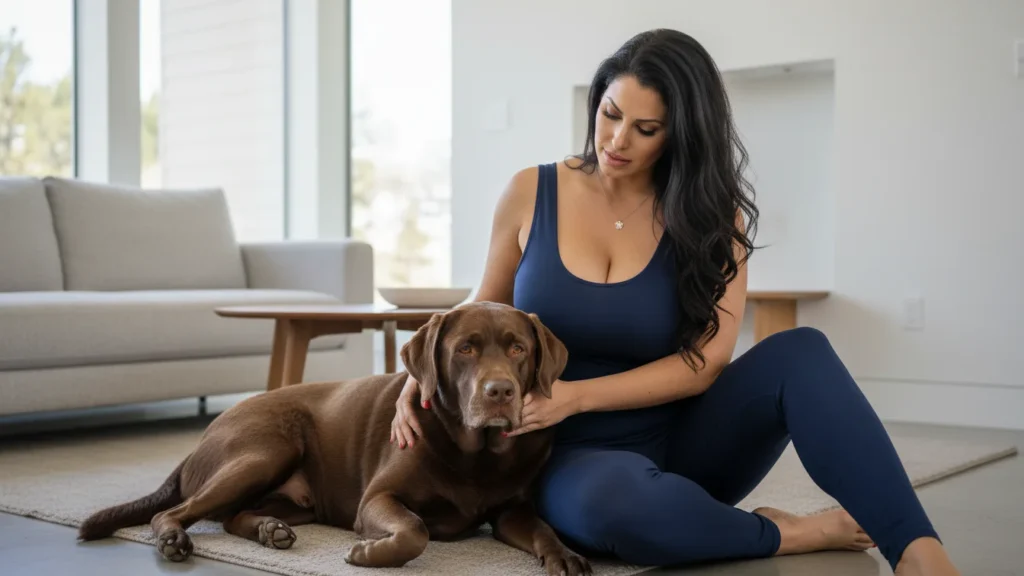
Your dog is lying on the floor.
No exercise.
No sun.
The room is cool.
Yet their mouth is open, tongue out, breathing fast.
You pause and wonder:
“Why is my dog panting when it’s not even hot?”
This question worries many dog owners — and for good reason.
Panting is normal for dogs, but persistent or unexplained panting often has nothing to do with temperature. Veterinarians know this pattern well, because panting is one of the body’s most versatile signals.
Sometimes it’s harmless.
Sometimes it’s emotional.
Sometimes it’s an early warning.
Understanding the difference can prevent missed problems — and unnecessary panic.
What Panting Really Does for Dogs
Dogs don’t sweat like humans.
Panting helps them:
- Regulate body temperature
- Release stress
- Manage pain or discomfort
- Adjust oxygen levels
Because panting serves multiple functions, heat is only one of many triggers.
The context matters more than the panting itself.
Normal Panting vs Concerning Panting
Before jumping to conclusions, it helps to know what’s normal.
Normal panting:
- Occurs after exercise
- Stops with rest
- Happens during excitement
- Resolves quickly
Potentially concerning panting:
- Occurs at rest
- Persists indoors
- Appears suddenly
- Worsens over time
- Comes with behavior changes
Patterns tell the real story.
Hidden Cause #1: Anxiety and Emotional Stress
One of the most common non-heat causes is anxiety.
Dogs pant when stressed because adrenaline affects breathing.
Triggers include:
- Loud noises
- Visitors
- Separation
- Car rides
- Changes in routine
An anxious dog may also:
- Pace
- Yawn excessively
- Whine
- Lick lips
- Avoid eye contact
Panting here is emotional — not physical overheating.
Hidden Cause #2: Pain You Can’t See
Dogs instinctively hide pain.
Panting is often one of the first outward signs that something hurts.
Pain-related panting may be caused by:
- Arthritis
- Dental pain
- Abdominal discomfort
- Injuries
- Internal inflammation
Clues that pain is involved:
- Panting at rest
- Restlessness
- Difficulty settling
- Changes in posture
- Reduced tolerance for touch
Pain doesn’t always cause limping — but it often changes breathing.
Hidden Cause #3: Age-Related Changes in Senior Dogs
Senior dogs pant more than younger ones — even without heat.
Why?
- Reduced cardiovascular efficiency
- Lower lung elasticity
- Cognitive changes
- Chronic discomfort
Older dogs may pant:
- At night
- After minimal activity
- During confusion or anxiety
Owners often assume this is “just aging,” but increased panting is a signal to look closer, not dismiss.
Hidden Cause #4: Obesity and Reduced Fitness
Extra weight increases breathing effort.
Overweight dogs pant because:
- Fat restricts chest expansion
- Oxygen demand increases
- Movement becomes harder
These dogs may pant:
- After standing up
- After short walks
- While lying down
This panting often improves with weight management and conditioning.
Hidden Cause #5: Hormonal or Metabolic Disorders
Certain internal conditions cause persistent panting.
Common examples include:
- Cushing’s disease
- Thyroid imbalance
- Diabetes
- Electrolyte disturbances
These conditions alter metabolism and stress hormones, increasing respiratory rate.
Panting in these cases often appears alongside:
- Increased thirst
- Increased urination
- Appetite changes
- Weight redistribution
Hidden Cause #6: Heart or Lung Changes
Panting can reflect cardiovascular or respiratory strain.
Dogs may pant excessively due to:
- Heart disease
- Reduced oxygen delivery
- Fluid buildup
- Decreased lung efficiency
Red flags include:
- Panting at rest
- Rapid breathing while asleep
- Coughing
- Exercise intolerance
These signs should never be ignored.
Hidden Cause #7: Medications and Supplements
Some medications naturally increase panting.
Common examples:
- Steroids
- Certain pain medications
- Some anxiety drugs
This side effect may be temporary — but sudden changes should still be monitored.
Never stop medications without guidance.
Behavioral Panting vs Medical Panting
| Feature | Behavioral | Medical |
|---|---|---|
| Trigger | Stress, excitement | Pain, illness |
| Timing | Situational | Persistent |
| Stops with comfort | Often | Rarely |
| Other symptoms | Anxiety signs | Appetite, energy changes |
| Progression | Stable | Worsens over time |
Understanding the pattern helps guide next steps.
Common Mistakes Owners Make
Panting is often misunderstood.
Mistakes include:
- Assuming it’s always heat-related
- Ignoring nighttime panting
- Overcooling anxious dogs
- Missing subtle pain signs
- Waiting for obvious illness
Panting is rarely random — it’s informative.
What You Can Observe at Home
Before rushing to conclusions, observe carefully.
Helpful observations:
- When panting occurs
- Duration and frequency
- Body position
- Activity level
- Sleep behavior
- Appetite and water intake
Short notes over a few days reveal powerful patterns.
When Panting Becomes a Red Flag
Seek professional evaluation if panting:
- Happens at rest regularly
- Persists indoors
- Appears suddenly in seniors
- Is paired with lethargy
- Disrupts sleep
- Comes with coughing or weakness
Early evaluation often prevents escalation.
Why This Matters Today
Dogs are living longer — and with longer lives come quieter health signals.
Panting is one of the earliest ways dogs express:
- Stress
- Pain
- Internal imbalance
Recognizing panting as communication — not just cooling — helps owners respond sooner and smarter.
Key Takeaways
- Dogs pant for many reasons besides heat
- Anxiety and pain are common triggers
- Senior dogs pant more — but not randomly
- Persistent panting deserves attention
- Patterns matter more than single episodes
Frequently Asked Questions
1. Can dogs pant just from excitement?
Yes. Emotional arousal commonly triggers panting.
2. Is nighttime panting concerning?
Often yes — especially in senior dogs.
3. Should I cool my dog if they’re panting indoors?
Only if heat is the cause. Cooling anxiety or pain doesn’t help.
4. Can panting be a sign of pain?
Yes. It’s one of the most overlooked pain signals.
5. When should I worry most about panting?
When it’s persistent, unexplained, or paired with behavior changes.
Conclusion
Panting isn’t just about heat — it’s one of your dog’s most versatile ways of communicating discomfort, stress, or internal change.
By paying attention to when, how, and why your dog pants, you move from confusion to clarity.
And that awareness is often the first step toward better comfort, earlier care, and a calmer dog.
Disclaimer
This article is for general educational purposes only and does not replace professional veterinary advice. Consult a qualified veterinarian if panting is persistent or concerning.

Dr. Sofia Romano, DVM, is an experienced veterinarian specializing in small-animal medicine and preventive care. She has treated thousands of cases using evidence-based diagnostics and modern clinical practices. Dr. Romano is dedicated to providing science-backed pet-health guidance that helps owners make informed decisions and improve their pets’ quality of life.


Pingback: Why Your Dog Is Suddenly Afraid Of Going Outside — A Vet Explains The Hidden Triggers
Pingback: Why Dogs Suddenly Become Aggressive At Home — A Vet Explains The Hidden Triggers Most Owners Miss
Pingback: Why Dogs Prefer Cold Floors Over Beds — What Their Body Is Really Telling You
Pingback: Why Dogs Keep Shaking After A Bath — The Real Reasons Behind This Instinctive Behavior
Pingback: Why Dogs Act Strange During Weather Changes — The Hidden Signals Their Bodies Sense Before You Do
Pingback: Why Your Dog Breathes Faster At Rest — Hidden Causes Vets Watch For
Pingback: Why Dogs Sense Tension Before Arguments Start — The Invisible Signals They Read Before We Speak