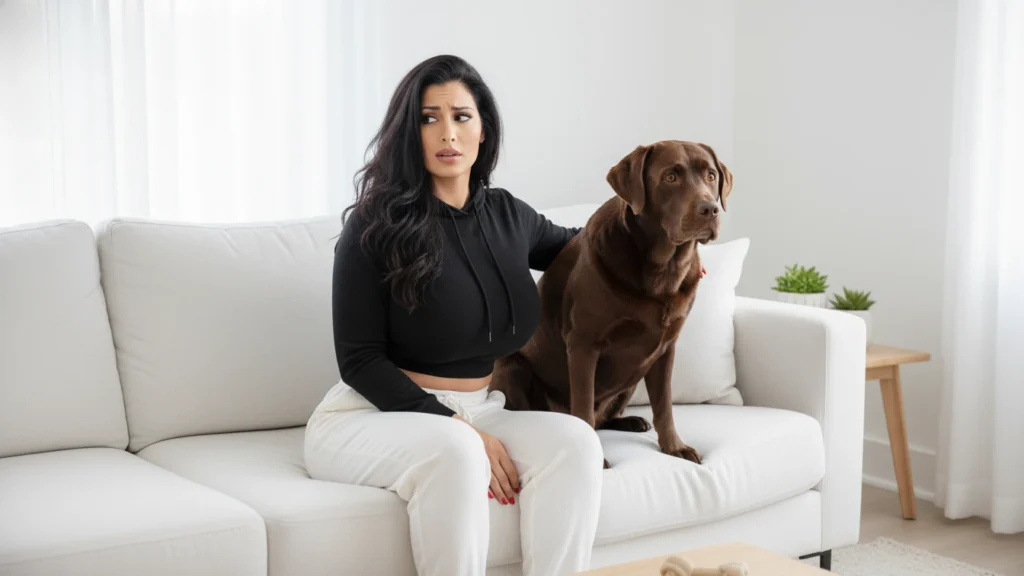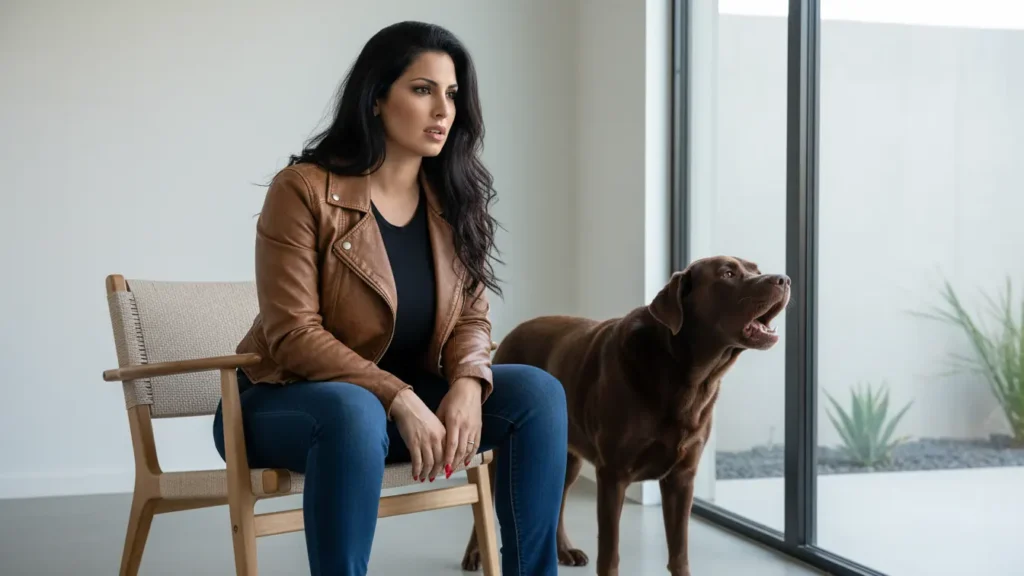
“It Came Out of Nowhere… Or Did It?”
You’re doing something normal.
Reaching to pet your dog.
Asking them to move.
Walking past them on the couch.
Then suddenly—
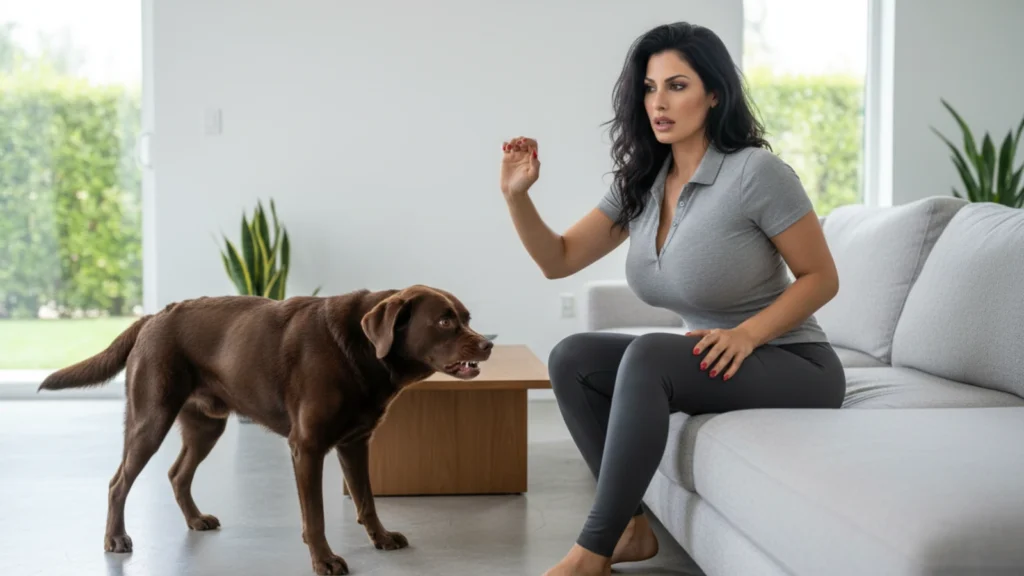
A low growl.
Direct.
Unexpected.
Your heart sinks.
“Why is my dog growling at me? I didn’t do anything.”
Here’s the most important thing to understand:
Dogs do not growl randomly.
When a dog growls at you, they are communicating something specific — even if the reason isn’t obvious yet.
This article explains why dogs growl at their owners seemingly out of nowhere, what that growl actually means, and how responding correctly can prevent fear, broken trust, and bites.
First, Let’s Clear the Biggest Misunderstanding
Growling is:
- A warning
- A boundary
- A request for space
It’s one of the healthiest forms of communication a dog has.
Dogs that are punished for growling often stop warning — and skip straight to snapping or biting later.
Understanding the growl protects you.
Why This Matters Today
Modern dogs are:
- Handled more frequently
- Expected to tolerate constant touch
- Living in closer quarters with humans
At the same time, subtle stress and pain signals are often missed.
As a result, many dogs growl because:
- Their earlier signals didn’t work
- They feel overwhelmed
- They’re trying to prevent escalation
A growl is not a failure — it’s a successful warning.
The #1 Hidden Cause: Pain You Can’t See
The most common reason dogs growl “randomly” is pain.
Dogs are experts at hiding discomfort.
They may still:
- Eat normally
- Play occasionally
- Look fine at rest
But when touched, moved, or startled — pain surfaces.
Common pain-related triggers include:
- Arthritis or joint inflammation
- Neck or back pain
- Dental disease
- Ear infections
- Abdominal discomfort
The growl is often situational:
- When you touch a certain area
- When the dog is resting
- When they’re asked to move
To the dog, the growl says: “That hurts. Please stop.”
Why Dogs Often Growl When Resting or Sleeping
Many owners notice growling:
- On the couch
- In bed
- When the dog is lying down
This is rarely dominance.
When resting, dogs are:
- Less prepared to move
- More sensitive to pain
- More easily startled
Pain plus surprise equals growling.
If the behavior is new or increasing, pain should always be ruled out first.
Fear and Startle Responses
Not all growling is physical.
Some dogs growl because they’re scared.
This often happens when:
- They’re touched unexpectedly
- Someone approaches from behind
- They’re woken suddenly
Fear-based growling is common in dogs that:
- Had rough handling in the past
- Were punished for growling before
- Are naturally sensitive or anxious
The growl is defensive — not aggressive.
It means:
“I didn’t expect that. I need space.”
Why It Feels “Random” to Humans
To humans, the trigger seems minor.
But dogs read the world differently.
What you didn’t notice:
- Subtle tension in your movement
- Approaching too fast
- Reaching over the head
- Invading resting space
What the dog noticed:
- Loss of control
- Unexpected pressure
- Threat to comfort or safety
The behavior isn’t random — the trigger was just subtle.
Resource Guarding Toward Owners (Yes, It Happens)
Some dogs growl to protect:
- Food
- Toys
- Sleeping spots
- Even personal space
This is called resource guarding, and it can occur with familiar people — not just strangers.
Signs include:
- Growling when you approach
- Stiff body posture
- Freezing before the growl
This is about security, not defiance.
And it’s manageable when addressed early.
Stress and Emotional Overload
Dogs can only handle so much stimulation.
Chronic stress builds quietly and leaks out through behavior.
Growling may increase when dogs are:
- Overtired
- Overstimulated
- Lacking routine
- Living in a tense environment
In these cases, the growl isn’t about one moment — it’s about accumulated pressure.
Think of it as an emotional overflow.
Comparison Table: Pain-Based vs Fear-Based Growling
| Feature | Pain-Related Growling | Fear/Stress-Related Growling |
|---|---|---|
| Trigger | Touch or movement | Surprise or approach |
| Consistency | Same situations | Context-dependent |
| Body language | Flinch, stiffness | Freezing, wide eyes |
| Time of day | Often evenings/rest | Any time |
| Improves with treatment | Yes | Gradual with behavior support |
Why Punishing Growling Is Dangerous
This cannot be overstated.
Punishing a growl:
- Removes the warning
- Increases fear
- Raises bite risk
Dogs that “bite without warning” often used to growl — until it stopped working for them.
A growl is information.
Take it seriously.
Real-Life Example: “He Only Growls at Me”
A dog growled only when his owner moved him off the couch.
Diagnosis:
- Early hip arthritis
Once pain was managed and handling changed:
- Growling stopped
- Trust improved
The dog wasn’t “challenging authority.”
He was protecting a sore body.
Common Mistakes Owners Make
Avoid these instinctive but harmful responses:
- ❌ Yelling or scolding
- ❌ Alpha or dominance tactics
- ❌ Forcing compliance
- ❌ Ignoring repeated growling
- ❌ Labeling the dog as aggressive
These approaches escalate fear and risk.
What You Should Do Instead (Actionable Steps)
1. Stop the Interaction Immediately
Respect the warning.
2. Observe Patterns
Ask:
- When does it happen?
- What was happening just before?
3. Rule Out Pain First
Medical causes must be addressed before behavior training.
4. Change How You Interact
- Avoid surprise touch
- Give choice and space
- Use calm, predictable movements
5. Get Professional Support if Needed
Early guidance prevents escalation.
Hidden Tip: Why Growling Often Increases With Age
As dogs age:
- Pain becomes more common
- Tolerance decreases
- Sleep becomes deeper
This makes growling more likely — even in dogs who were previously easygoing.
It’s not personality change.
It’s communication adapting to new limits.
When Growling Becomes a Red Flag
Seek professional help if growling:
- Escalates rapidly
- Happens across many contexts
- Is paired with snapping or biting
- Appears alongside major behavior changes
Sudden behavioral shifts can indicate serious medical or neurological issues.
Frequently Asked Questions
1. Is my dog being aggressive if they growl at me?
Not necessarily. Growling is often a warning, not aggression.
2. Should I stop petting my dog?
No — but change how and when you interact. Respect boundaries.
3. Can anxiety cause growling?
Yes. Fear and stress are common triggers.
4. Will this behavior get worse?
It can — if the underlying cause isn’t addressed.
5. Can growling be fixed?
Often yes, once pain, fear, or stress is properly managed.
Key Takeaways
- Dogs don’t growl randomly — they communicate discomfort
- Pain is the most common hidden cause
- Growling is a warning, not misbehavior
- Punishment increases bite risk
- Listening early prevents escalation
Conclusion: The Growl Is a Gift — If You Listen
A growl isn’t a betrayal of trust.
It’s an invitation to understand.
Dogs growl to avoid conflict — not start it.
They growl to protect themselves — not to dominate you.
When you respond with curiosity instead of correction, you don’t just stop a behavior.
You strengthen communication, safety, and trust — for life.
Disclaimer: This article is for general educational purposes only and does not replace personalized advice from a qualified veterinary or animal behavior professional.

Dr. Sofia Romano, DVM, is an experienced veterinarian specializing in small-animal medicine and preventive care. She has treated thousands of cases using evidence-based diagnostics and modern clinical practices. Dr. Romano is dedicated to providing science-backed pet-health guidance that helps owners make informed decisions and improve their pets’ quality of life.