
Dogs are remarkably good at hiding when something’s wrong, which is exactly why so many illnesses get caught later than they should. As Dr. Ben Schroeder, a veterinarian featured on National Geographic’s “Heartland Docs, DVM,” puts it, the earliest signs your dog is sick are often very subtle — a little extra sleeping, a bit less excitement about meals or walks, or just acting slightly “off.” His advice cuts through a lot of the guesswork: you know your dog’s normal better than anyone, which makes you genuinely the best-positioned person to catch these changes early, long before they become obvious.
Here are the ten quiet signals worth actually paying attention to.
1. A Change in Appetite or Thirst — In Either Direction
Skipping one meal isn’t automatically alarming, but a dog who won’t eat for more than 24 hours, or one who’s suddenly drinking noticeably more or less than usual, is showing you something real. Appetite and thirst changes can point toward digestive trouble, kidney disease, or diabetes, among other things — and because dogs can’t tell you they feel “off,” a shift at the food bowl is often one of the very first clues available.
2. A Drop in Energy or Activity
Pay attention to how much your dog normally moves throughout the day. Per VCA Animal Hospitals, a significant decline in activity level could be a sign of pain, heart disease, or other underlying illness. The key word is significant — every dog has an off day, but a sustained, noticeable drop from their usual baseline deserves a closer look.
3. A Shift in Behavior or Personality
This is one of the first things to change when a dog isn’t feeling well, and it can show up in either direction — increased clinginess, or the opposite, withdrawing and avoiding family members entirely. New fears or anxieties that weren’t there before, unusual irritability, or hiding more than normal are all worth noting rather than dismissing as a mood.
4. Changes in the Coat or Skin
A healthy coat is generally shiny and consistent. Hot spots, bald patches, persistent itching, or a dull, flaky texture can indicate allergies, parasites, or infections — and sometimes point to a nutritional deficiency or broader illness underneath, rather than a purely cosmetic issue.
5. Unexplained Weight Change
Sudden weight loss or gain, without an obvious cause like a diet or exercise change, is frequently one of the first physical clues that something metabolic or systemic is going on. Regular at-home weigh-ins, even informal ones, make this pattern much easier to catch early than relying on visual impression alone.
6. Changes in Bathroom Habits
Increased frequency, straining, house accidents from a previously reliable dog, or blood in urine or stool can all indicate anything from a urinary tract infection to kidney issues, diabetes, or a gastrointestinal problem. This is a category where “just keep an eye on it” has a fairly short shelf life — prompt veterinary evaluation is generally the right call.
7. Breathing That Doesn’t Match the Moment
Dogs breathe quickly when excited, hot, or after exercise — that’s normal. Labored, noisy breathing, or an unusually slow rate, especially at rest, shouldn’t be brushed off. Coughing or gagging can point to kennel cough, a respiratory infection, or heart disease, while excessive panting with no clear trigger can indicate pain, anxiety, or in rare cases, something more serious.
8. Bad Breath or Visible Dental Changes
Persistent bad breath, drooling, difficulty chewing, or visible tartar buildup often point to dental disease — a condition that’s both common and, left unaddressed, genuinely painful. It’s easy to mistake for “just how dog breath smells,” but a real change in odor or eating behavior around food is worth a look.
9. Eye Changes
Redness, excessive tearing, squinting, cloudiness, or unusual discoloration in the eyes are all worth watching for. These can range from minor irritation to signs of a more significant underlying condition, and because eye issues can escalate quickly, they’re generally worth a same-week vet visit rather than a wait-and-see approach.
10. Disrupted Sleep Patterns
Sleeping noticeably more than usual, or the reverse — restlessness, difficulty settling, waking frequently — can both be signs something’s off. In senior dogs specifically, changes in sleep routine are sometimes an early sign of canine cognitive dysfunction, making this a particularly worthwhile pattern to track as dogs age.
The Common Thread
Notice how many of these aren’t dramatic on their own. That’s the entire point. Illness in dogs typically doesn’t announce itself with a single unmistakable symptom — it shows up as a handful of small, easy-to-explain-away changes that only add up to something clear once you’re looking at the pattern rather than any one moment. Dogs will instinctively hide how they feel in the early stages of illness, which is exactly why noticing subtle shifts in personality and routine — not just obvious symptoms — is often the real key to catching a problem early.
When to Call the Vet Same-Day, Not “Wait and See”
Most of the changes above are worth a scheduled appointment. A smaller set deserve same-day attention:
- Vomiting or diarrhea lasting more than a day, or containing blood
- No food or water intake for over 24 hours
- Labored or rapid breathing at rest
- Sudden collapse, fainting, or extreme lethargy
- Visible pain, straining to urinate, or a swollen abdomen
The Bottom Line
You don’t need to become anxious about every nap or every skipped bite of kibble. You just need to know your dog’s actual baseline well enough to notice when something drifts from it — because in dogs, the quiet changes are usually the ones that matter most. Trust that instinct. It’s very often right.
Sources
- Care.com – Do I Have a Sick Dog? 11 Signs It’s Time for a Trip to the Vet
- AKC Pet Insurance – How to Tell if Your Dog Is Sick: 11 Common Symptoms
- Tractive – How To Tell If Your Dog Is Sick: The Main Signs & Symptoms
- UrgentVet – How to Tell if Your Dog Is Sick: Common Signs & Symptoms
- All Pets Veterinary Hospital – Detecting Early Symptoms of Serious Illness in Your Pet

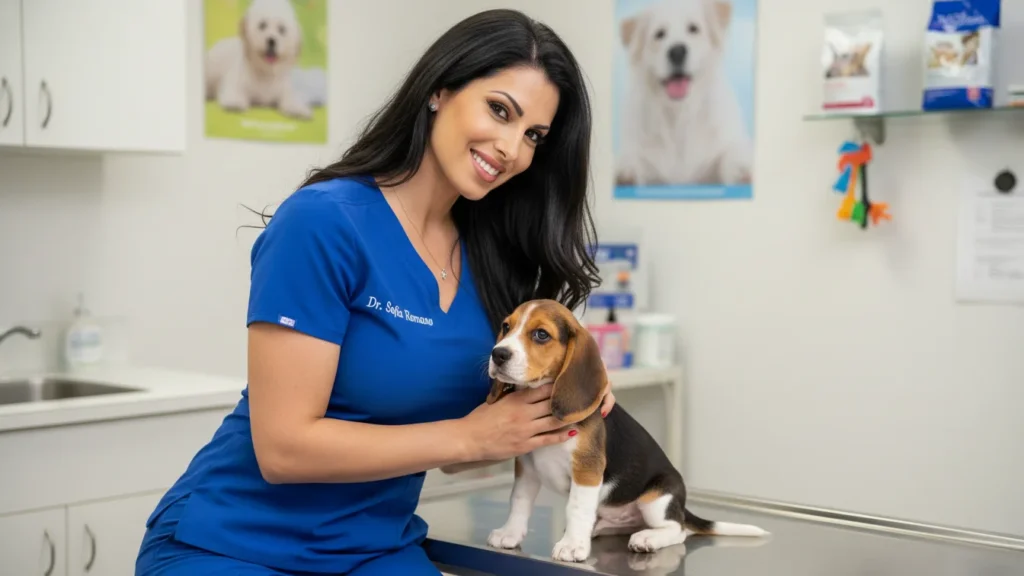
Dr. Sofia Romano, DVM, is an experienced veterinarian specializing in small-animal medicine and preventive care. She has treated thousands of cases using evidence-based diagnostics and modern clinical practices. Dr. Romano is dedicated to providing science-backed pet-health guidance that helps owners make informed decisions and improve their pets’ quality of life.




Pingback: The Hidden Reason Your Dog Vomits but Acts Completely Normal
Pingback: The Real Reason Dogs Scratch Even Without Fleas
Pingback: The Silent Signs of Heart Disease in Dogs
Pingback: The Dangerous Home Items Every Dog Owner Should Remove Immediately
Pingback: Why Your Dog Smells Bad Even After a Bath — A Vet Explains the Hidden Reasons
Pingback: What Your Dog’s Sleeping Position Says About Their Health
Pingback: The Early Signs Of Skin Allergies In Dogs — The Subtle Clues Most Owners Miss
Pingback: Why Dogs Eat Dirt Or Mud — Is It A Nutrient Deficiency Or Something Else?
Pingback: Why Dogs Suddenly Explode With Energy At Night — The Real Science Behind Zoomies (Every Owner Should Know)
Pingback: Why Dogs Prefer Certain Toys Only - The Hidden Psychology Behind Their Favourites
Pingback: Why Your Dog Suddenly Wants To Sleep Alone (The Quiet Reasons Most Owners Miss)
Pingback: Why Your Dog’s Eyes Won’t Stop Watering — Hidden Causes Most Owners Miss
Pingback: The Silent Signs Of Anxiety In Puppies Most Owners Miss (And How To Fix Them Early)
Pingback: Separation Anxiety In Dogs — The Quiet Signs Most Owners Don’t Realize They’re Missing
Pingback: Why Dogs Roll In Garbage Or Dead Animals — The Instinct Owners Don’t Expect