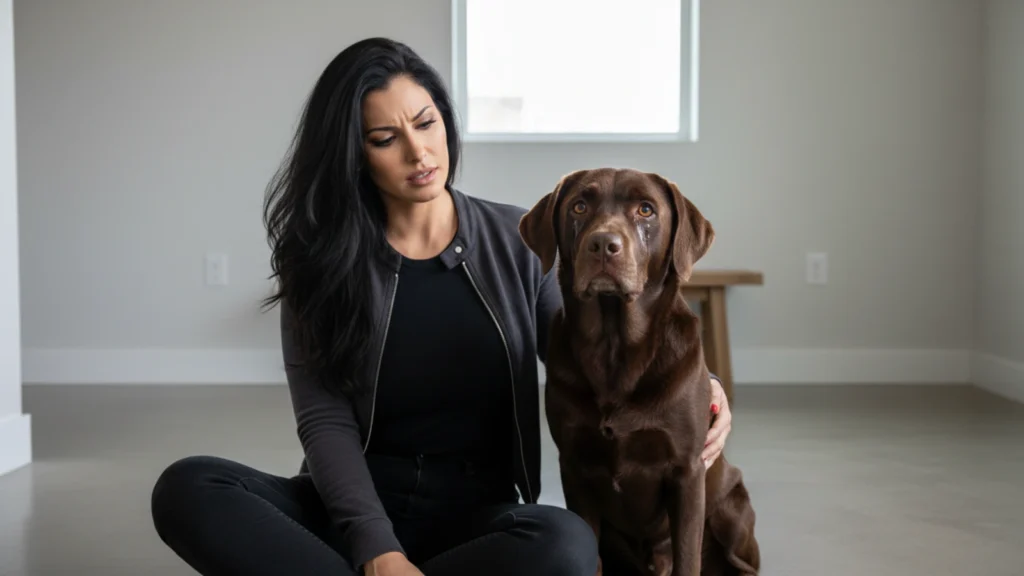
It is completely normal to wipe away a small “sleepy crust” from the corner of your dog’s eye in the morning. But if your dog suddenly looks like they have been crying all day, or if the fur beneath their eyes is perpetually soaked and stained reddish-brown, you are looking at a medical symptom, not a grooming issue.
In veterinary medicine, excessive tearing is called epiphora. It essentially boils down to one of two mechanical failures: either the eye is producing a massive amount of tears in a frantic attempt to soothe severe pain, or the plumbing system that drains normal tears is completely blocked.
Because eye issues can escalate from mild irritation to permanent vision loss in a matter of hours, vets take a watery eye very seriously. Here are the hidden, often painful culprits behind your dog’s constant tears, and exactly what your vet will be looking for.
1. The “Windshield Wiper” Effect (Corneal Ulcers)
Dogs explore the world face-first. Plunging their head into a thorny bush, playing rough with another dog, or a quick swat from a household cat can easily result in a micro-scratch on the surface of the eye (the cornea).
When the cornea is scratched, it feels exactly like having a grain of sand permanently trapped under your eyelid. The body’s immediate defense mechanism is to flood the eye with tears to flush the foreign object away. This is called a corneal ulcer.
The Vet’s Clue: If your dog’s eye is watering profusely and they are aggressively squinting, holding the eye completely shut, or pawing at their face, a scratch is the primary suspect. Your vet will apply a special fluorescent green dye to the eye to illuminate the hidden scratch under a blacklight.
2. An Eyelash Mutiny (Entropion & Distichiasis)
Sometimes, the call is coming from inside the house. Many dogs suffer from anatomical defects where their own eyelids or eyelashes actively attack the eye.
- Entropion: Highly common in breeds with heavy facial folds (like Shar-Peis, Bulldogs, and Mastiffs), this condition causes the eyelid to roll inward. Every time the dog blinks, the hairy outside of the eyelid drags directly across the sensitive eyeball.
- Distichiasis: This occurs when a dog grows abnormal, extra eyelashes on the inside rim of the eyelid.
In both cases, the chronic, agonizing friction causes the eye to water endlessly. These structural defects rarely resolve on their own and typically require minor corrective surgery to protect the dog’s vision.
3. The Blocked Drain (Nasolacrimal Duct Obstruction)
Have you ever wondered why your nose runs when you cry? It is because tears are designed to drain through tiny holes in the corners of the eyes, travel down a tube (the nasolacrimal duct), and empty into the nose.
In many small breeds—particularly Shih Tzus, Poodles, and Maltese—this duct is genetically too narrow, or it becomes blocked by inflammation or debris. Because the tears cannot drain downward into the nose, they have nowhere to go but up and over the eyelid, spilling down the dog’s cheeks.
This constant overflow of tears reacts with the natural bacteria and yeast on the dog’s skin, turning the fur a rusty red-brown color.
4. The Silent Pressure Trap (Glaucoma)
This is the scenario veterinarians fear most. Glaucoma is a condition where the fluid inside the eye cannot drain properly, causing a massive, rapid buildup of intraocular pressure.
Glaucoma is notoriously described as a “silent blinding disease” because owners often mistake the early signs for a simple allergy. The eye will water heavily, the whites of the eye will look angry and red, and the clear part of the eye might suddenly take on a cloudy or bluish haze.
The Emergency: Glaucoma is incredibly painful—vets liken it to a severe migraine localized in the eyeball. If the pressure isn’t medically reduced within 24 to 48 hours, the optic nerve will suffer irreversible damage, resulting in permanent blindness.
5. Unseen Environmental Allergies
Just like humans, dogs can suffer from seasonal hay fever. If the tearing is occurring in both eyes simultaneously, the fluid is totally clear, and the dog is also excessively licking their paws or rubbing their face along the carpet, environmental allergies are a strong possibility. Pollen, dust mites, and mold spores can trigger allergic conjunctivitis, inflaming the tissues surrounding the eye and causing a non-stop tear response.
What to Do Before the Vet Visit
If you notice a sudden, dramatic increase in your dog’s eye watering, you must treat it with extreme caution. The difference between a minor allergy and a sight-threatening ulcer is impossible to diagnose without medical equipment.
- Do Not Use Human Eye Drops: Never attempt to self-medicate your dog with human redness-relief drops (like Visine). These contain chemicals that constrict blood vessels and can cause catastrophic damage to a dog’s already compromised eye.
- The Saline Flush: If you suspect they simply got dirt or pollen in their eye, you can gently flush the eye with sterile, plain saline solution (the kind used for rinsing human contact lenses, not cleaning solutions).
- Observe the “Squint Test”: If the watery eye is accompanied by squinting, holding the eye shut, or thick yellow/green discharge, consider it a medical urgency. Book an appointment with your veterinarian or an emergency clinic immediately.
When it comes to your dog’s vision, playing the waiting game is a gamble you cannot afford to lose.
High-Authority Sources & Veterinary References
To ensure you are protecting your pet’s vision with accurate medical knowledge, the insights in this article are rooted in veterinary ophthalmology. For further reading, consult these trusted resources:
- American College of Veterinary Ophthalmologists (ACVO): The definitive clinical guide to recognizing and treating Canine Glaucoma.
- Cornell University College of Veterinary Medicine: Understanding the mechanics, diagnosis, and treatment of Corneal Ulcers in Dogs.
- Merck Veterinary Manual: A comprehensive overview of tear drainage issues, including Epiphora and Nasolacrimal Disorders.
- American Veterinary Medical Association (AVMA): Diagnostic breakdown of common canine eye problems, including Entropion and Eyelid Abnormalities.

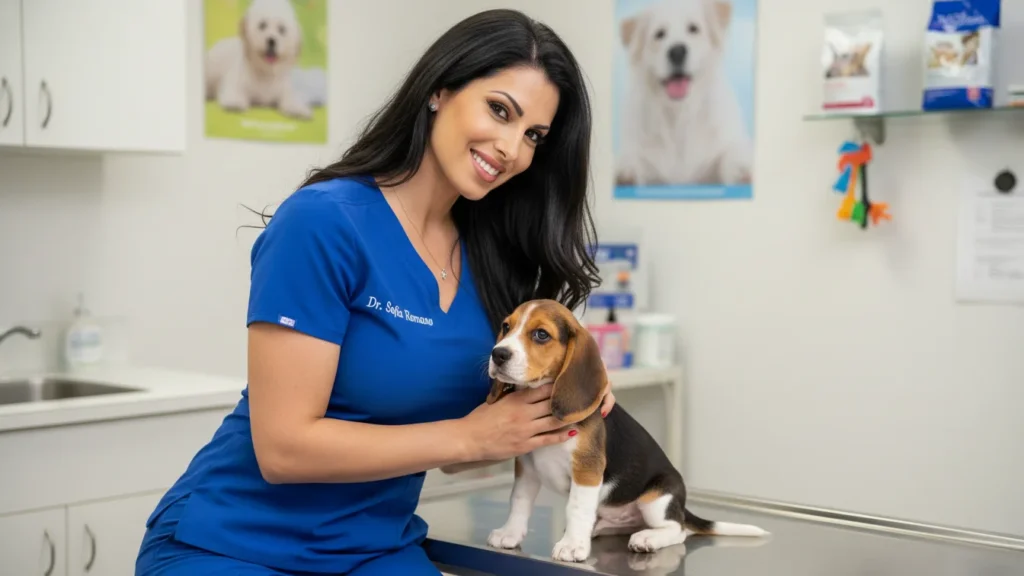
Dr. Sofia Romano, DVM, is an experienced veterinarian specializing in small-animal medicine and preventive care. She has treated thousands of cases using evidence-based diagnostics and modern clinical practices. Dr. Romano is dedicated to providing science-backed pet-health guidance that helps owners make informed decisions and improve their pets’ quality of life.


Pingback: Why Dogs Keep Getting Ear Infections — The Root Causes Most Treatments Miss
Pingback: Why Your Dog Stares At The Wall Or Corner — A Vet Explains What It Could Really Mean
Pingback: Why Your Dog Suddenly Starts Barking At Night — A Vet Explains The Hidden Reasons
Pingback: Why Senior Dogs Act Confused — Early Dementia Warning Signs Most Owners Miss