
You have just settled onto the couch after dinner when your dog waddles over, looks you dead in the eye, and lets out a belch that rivals a grown man at a pub. Or perhaps you are watching your new puppy sleep peacefully, only to have them suddenly start bouncing with a violent, squeaky case of the hiccups.
Most of the time, these noisy bodily functions are met with a laugh. But what does it actually mean when your dog is constantly burping, or when their hiccups seem to last for hours?
While a random belch after a heavy meal is entirely normal, chronic burping or persistent hiccups provide a direct window into your dog’s gastrointestinal health. From innocent eating habits to life-threatening emergencies, here is the veterinary breakdown of what is actually happening inside your dog’s stomach.
The Mechanics: Hiccups vs. Burps
First, we have to separate the two, because they are triggered by entirely different bodily systems.
- A Burp (Eructation): This is the release of excess gas that has built up inside the stomach.
- A Hiccup: This has nothing to do with stomach gas. A hiccup is an involuntary, repetitive spasm of the diaphragm muscle (the large muscle separating the chest from the abdomen).
Here are the real reasons your dog is experiencing either of these quirky symptoms on a regular basis.
1. The “Speed Eater” Syndrome (Aerophagia)
If your adult dog regularly burps immediately after breakfast, the culprit is almost always how they eat, not what they eat.
When a highly food-motivated dog inhales their kibble in seconds, they are also gulping down massive amounts of ambient air. In veterinary medicine, this is called aerophagia. Once that air hits the stomach, it has to find a way out.
The Fix: Swap their standard bowl for a puzzle feeder, a snuffle mat, or a slow-feeder bowl. By forcing your dog to work for their food, you naturally slow their chewing process and drastically reduce the amount of air they swallow.
2. The Puppy Hiccup Phenomenon
If you have a puppy under the age of six months, you have probably noticed they get hiccups daily—especially right after waking up from a nap or during an intense play session.
Puppy hiccups are incredibly common and usually entirely harmless. Because a puppy’s muscular system is still rapidly developing, their diaphragm is highly prone to sudden spasms. Over-excitement, a sudden drop in temperature, or drinking water too fast can all trigger a bout of hiccups. Fortunately, most dogs completely outgrow this phase by the time they reach eight months of age.
3. Canine Acid Reflux (GERD)
Just like humans, dogs can suffer from Gastroesophageal Reflux Disease (GERD). If the sphincter muscle separating the stomach from the esophagus is weak, highly acidic stomach fluids can splash upward.
If your dog is burping frequently hours after they have eaten, constantly licking their lips, or doing hard swallows, they might be dealing with silent acid reflux. Chronic burping is their body’s attempt to relieve the uncomfortable pressure and burning sensation in their lower esophagus.
4. Dietary Fermentation
Your dog’s gut microbiome is a delicate ecosystem. If you recently switched their kibble brand without a slow transition, or if you frequently share high-fiber human foods (like broccoli, beans, or apples), their digestive tract can struggle to break it down.
As the gut bacteria work overtime to digest the unfamiliar food, they produce excess fermentation gas. This gas buildup leads to loud, frequent belching, and often, an equally fragrant problem at the other end.
5. The Emergency Red Flag: “Unproductive” Burping
While most burps are harmless, there is one specific type of burp that veterinarians view as an absolute, drop-everything emergency.
If your dog is pacing frantically, drooling heavily, and repeatedly trying to burp or vomit but nothing comes out, they may be experiencing Gastric Dilatation-Volvulus (GDV), commonly known as Bloat.
Bloat occurs when the stomach fills with gas and then physically twists in on itself, trapping the gas inside and cutting off blood flow to the vital organs. The dog is desperately trying to burp to relieve the agonizing pressure, but the twisted stomach prevents the air from escaping.
Bloat is fatal within hours if not surgically corrected. If you see unproductive retching combined with a hard, swollen abdomen, get to an emergency vet clinic immediately.
Actionable Steps: How to Help Your Dog
Most bouts of hiccups or burps will resolve on their own, but if you want to help your dog feel better faster, try these simple interventions:
- For Hiccups: Gently massage your dog’s chest and belly to help relax the diaphragm muscle. You can also offer a small spoonful of peanut butter or a little bit of warm water to reset their swallowing rhythm.
- For Diet-Related Burping: Add a veterinary-approved canine probiotic to their meals. Balancing the gut flora significantly cuts down on gas production and fermentation.
- Track the Triggers: If your dog is burping daily, start a journal. Note when it happens (e.g., right after exercise, 30 minutes after eating). This data is incredibly valuable for your vet if you need to investigate potential food allergies or acid reflux.
You don’t need to panic over a funny noise, but paying close attention to your dog’s digestive habits makes you a highly proactive pet parent. By slowing down their meals and monitoring for discomfort, you can keep their stomach happy, healthy, and a lot quieter.
High-Authority Sources & Veterinary References
To ensure your dog’s digestive health is handled safely, the insights in this article are rooted in established veterinary medicine. For deeper reading on gastrointestinal issues, consult these trusted resources:
- American College of Veterinary Surgeons (ACVS): The critical warning signs and surgical realities of Gastric Dilatation-Volvulus (Bloat) in Dogs.
- American Kennel Club (AKC): A behavioral and physical breakdown of Why Puppies Get Hiccups.
- PetMD (Authored by DVMs): Clinical insights on recognizing Acid Reflux and GERD in Dogs.
- Veterinary Partner (by VIN): A comprehensive guide to understanding canine digestion and Managing Excess Gas.

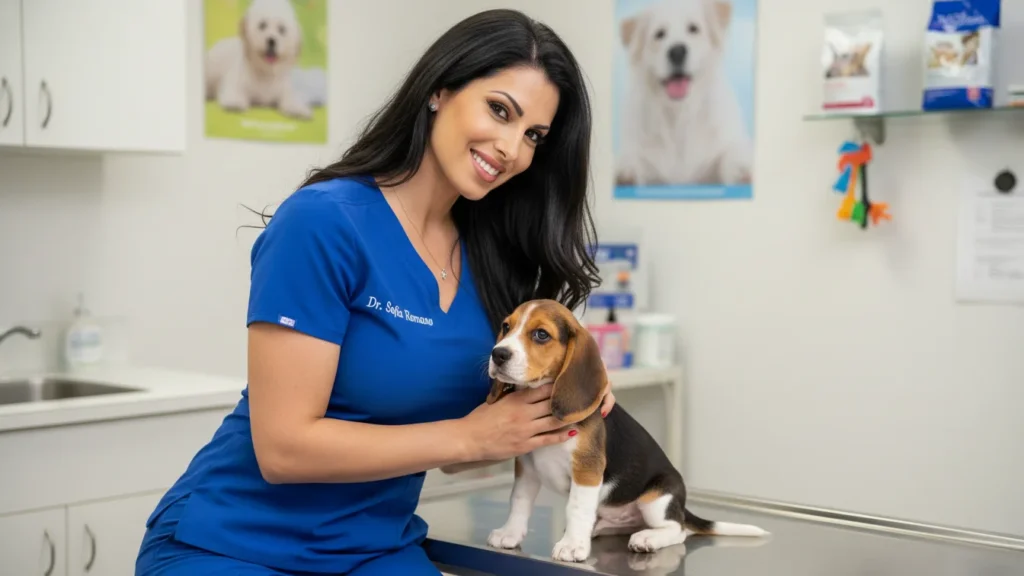
Dr. Sofia Romano, DVM, is an experienced veterinarian specializing in small-animal medicine and preventive care. She has treated thousands of cases using evidence-based diagnostics and modern clinical practices. Dr. Romano is dedicated to providing science-backed pet-health guidance that helps owners make informed decisions and improve their pets’ quality of life.




Pingback: Why Dogs Roll In Garbage Or Dead Animals — The Instinct Owners Don’t Expect
Pingback: Why Dogs Keep Sneezing — Allergies Or Infection? The Signs Most Owners Overlook
Pingback: Why Your Dog’s Bad Breath Is A Silent Warning — The Hidden Signs Of Disease Most Owners Miss
Pingback: Why Dogs Eat Too Fast — The Dangerous Condition Behind This Habit Most Owners Miss