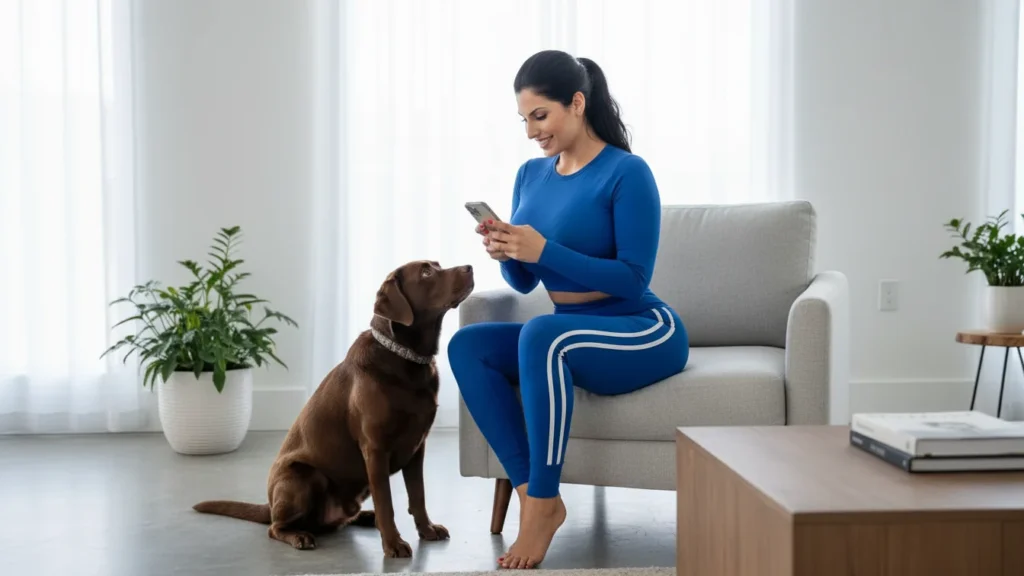
You Look Up—and Your Dog Is Already Watching
You’re scrolling your phone.
You glance up.
Your dog is staring at you.
Not barking.
Not begging.
Just… watching.
You look away.
Look back again.
Still watching.
Many owners laugh this off.
Some feel slightly uneasy.
But this behavior isn’t random—and it isn’t passive.
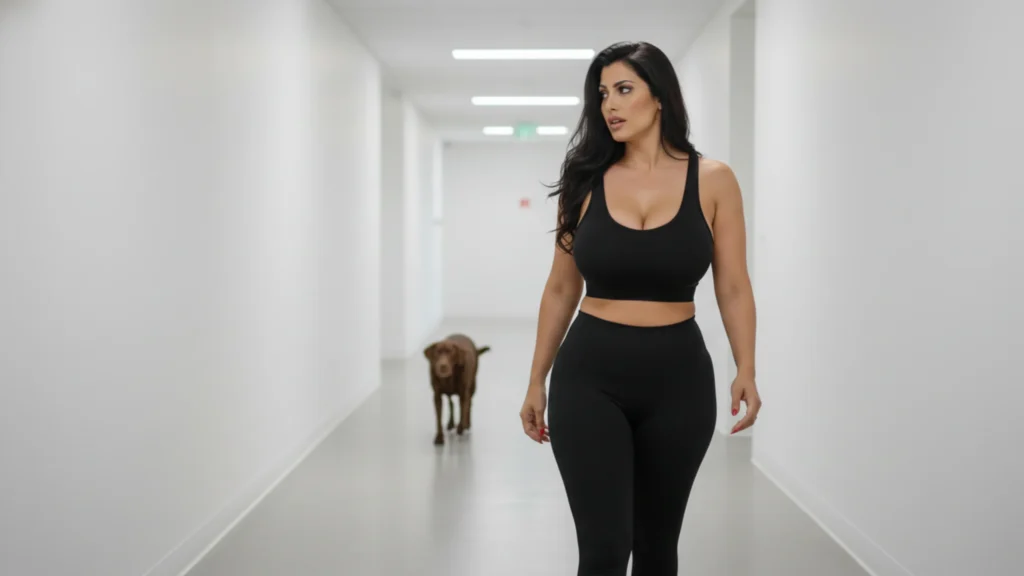
Dogs watch humans constantly.
And they’re gathering far more information than most people realize.
Dogs Don’t “Zone Out” Like Humans Do
Humans often disengage from their surroundings.
Dogs rarely do.
Dogs evolved to survive by:
- Monitoring movement
- Reading subtle signals
- Predicting behavior before it happens
In a home, you are the most important environmental factor.
Your dog isn’t bored.
They’re observing.
Watching Is a Core Canine Survival Skill
Long before dogs lived in homes, watching meant survival.
In social animals, observation helps:
- Anticipate danger
- Coordinate group behavior
- Maintain social bonds
Modern dogs still rely on this instinct—but now it’s focused on humans.
Your dog watches to answer one question:
“What’s about to happen next?”
Dogs Learn Human Behavior Faster Than We Think
Dogs don’t just respond to commands.
They study patterns.
They learn:
- How you move before a walk
- Which shoes mean “leaving”
- Which tone signals excitement or tension
- When food is likely coming
Research summarized by the American Kennel Club shows dogs excel at reading human cues—often better than they read other dogs.
Watching is how they predict outcomes.
Eye Contact Isn’t Just Attention—It’s Communication
When dogs hold eye contact, it can mean different things depending on context.
Common meanings include:
- Seeking guidance
- Monitoring emotional state
- Anticipating interaction
- Strengthening social bond
In calm situations, sustained eye contact releases oxytocin—the bonding hormone—in both dogs and humans.
This is one reason watching feels intimate.
Why Dogs Watch Their Owners More Than Anyone Else
Dogs don’t watch everyone equally.
They watch their primary human most closely.
Why?
- That person controls resources
- That person provides emotional cues
- That person predicts safety
Your dog doesn’t just see you as family.
They see you as the center of their environment.
The Subtle Behaviors Dogs Are Tracking
Dogs don’t watch randomly.
They track specific micro-signals, including:
- Hand movements
- Facial tension
- Body orientation
- Walking pace
- Breathing changes
To humans, these seem insignificant.
To dogs, they’re data points.
Real-Life Example: “My Dog Knows Before I Do”
Many owners say:
“My dog knows I’m leaving before I grab my keys.”
That’s because your dog has already noticed:
- A posture change
- A shift in attention
- A change in movement rhythm
Watching allows dogs to predict, not react.
Calm Watching vs Staring: Know the Difference
Not all watching is the same.
| Behavior | What It Means |
|---|---|
| Soft gaze, relaxed body | Trust, curiosity |
| Brief glances | Monitoring |
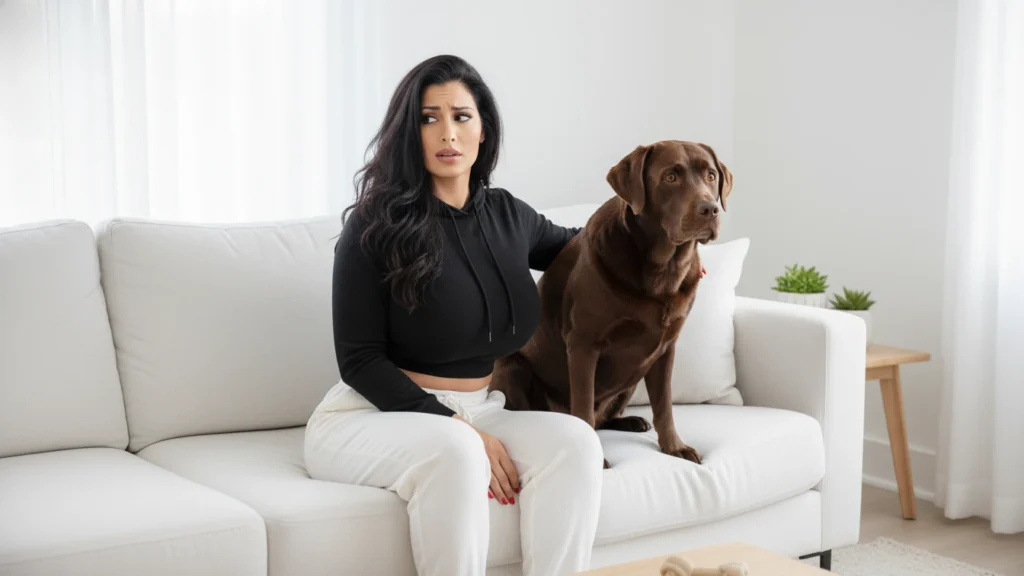
| Wide eyes, stiff posture | Stress or vigilance |
| Fixed stare with tension | Uncertainty or fear |
| Watching from distance | Safety checking |
Context always matters.
Why Dogs Watch Even When Nothing Is Happening
This confuses many owners.
No food.
No walk.
No movement.
Still watching.
That’s because dogs:
- Don’t separate “important” moments from quiet ones
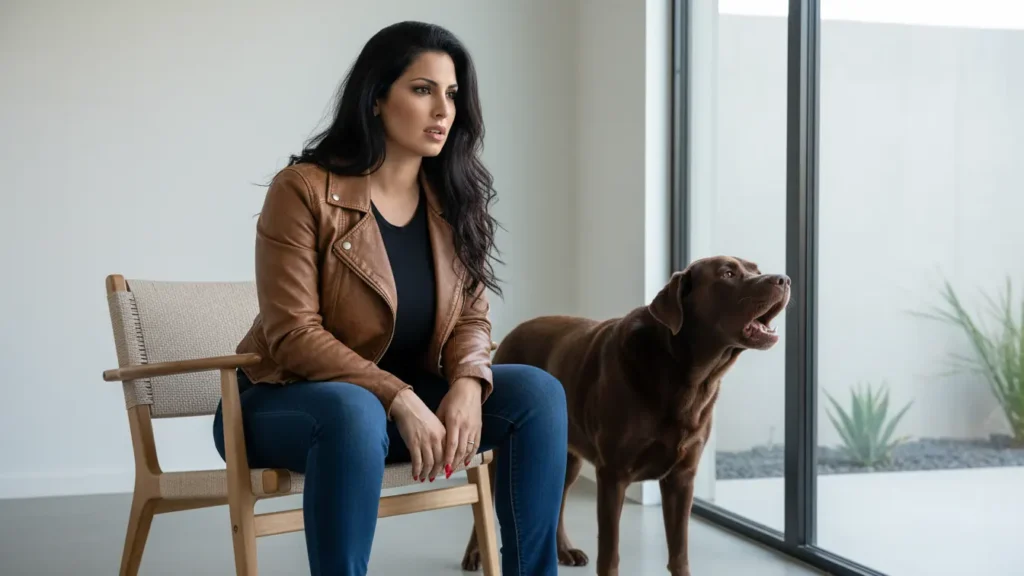
- Stay alert for environmental change
- Feel safest when monitoring their bonded human
Watching equals emotional regulation.
How Dogs Use Watching to Feel Secure
Dogs feel calmer when they can visually confirm:
- You’re nearby
- You’re calm
- The environment is stable
This is why anxious dogs watch more intensely.
It’s not nosiness—it’s reassurance.
Common Mistakes Owners Make About This Behavior
Many owners misinterpret watching.
Mistakes include:
- Assuming it’s manipulation
- Thinking the dog is bored
- Interpreting it as dominance
- Ignoring anxious watching cues
Watching is information-gathering, not control.
When Watching Turns Into Hypervigilance
Occasionally, watching can become excessive.
Warning signs include:
- Inability to relax
- Constant following with eyes
- Startling easily
- Stress-related behaviors
In these cases, watching is driven by anxiety, not curiosity.
The solution isn’t distraction—it’s predictability and calm routines.
How to Respond When Your Dog Is Watching You
You don’t need to stop it.
But you can guide it.
Helpful responses:
- Maintain calm body language
- Avoid sudden emotional shifts
- Reward relaxed independence
- Provide predictable routines
- Use calm eye contact occasionally
Your emotional consistency teaches safety.
Hidden Tip: Dogs Watch to Learn How to Behave
Dogs often copy:
- How excited you get
- How calmly you move
- How you respond to stress
They’re not just watching you.
They’re learning how to be.
Why This Matters Today
Dogs live closer to humans than ever before.
They watch:
- Work stress
- Screens
- Conversations
- Emotional changes
Understanding this helps prevent:
- Anxiety
- Miscommunication
- Behavioral confusion
Your dog’s watching is not passive—it’s participation.
Key Takeaways
- Dogs watch humans as a survival and bonding behavior
- Watching helps dogs predict and feel safe
- Eye contact can strengthen emotional connection
- Excessive watching may signal anxiety
- Calm consistency teaches security
Frequently Asked Questions
1. Is it normal for my dog to stare at me?
Yes. Dogs stare to communicate, seek attention, read emotions, or strengthen bonding—it’s a normal and meaningful behavior.
2. Do dogs watch humans more than other dogs?
Yes. Dogs often watch humans more than other dogs because they rely on human cues, facial expressions, and behavior for guidance and security.
3. Should I discourage my dog from watching me?
No. Watching you is usually healthy and shows bonding. Discourage it only if it becomes obsessive or linked to anxiety or stress.
4. Can watching indicate anxiety?
Yes. Constant, intense watching can signal anxiety or insecurity, especially if paired with pacing, whining, or clingy behavior.
5. Do puppies watch more than adult dogs?
Yes. Puppies watch more than adult dogs because they’re learning, seeking guidance, and building understanding of human behavior.
A Calm, Honest Conclusion
Your dog isn’t just looking at you.
They’re studying you.
Learning you.
Trusting you.
Every glance is a way of staying connected in a world they don’t fully control.
When you understand why dogs watch, that quiet gaze stops feeling strange—and starts feeling meaningful.
Disclaimer: This article is for general educational purposes and does not replace guidance from a qualified veterinary or canine behavior professional.

Dr. Sofia Romano, DVM, is an experienced veterinarian specializing in small-animal medicine and preventive care. She has treated thousands of cases using evidence-based diagnostics and modern clinical practices. Dr. Romano is dedicated to providing science-backed pet-health guidance that helps owners make informed decisions and improve their pets’ quality of life.
Pingback: Why Dogs Observe Human Behaviour More Than We Notice — The Silent Intelligence Shaping Everything They Do
Pingback: Why Dogs Stay Alert During Owner Phone Calls — The Subtle Signals Your Dog Is Reading Before You Notice