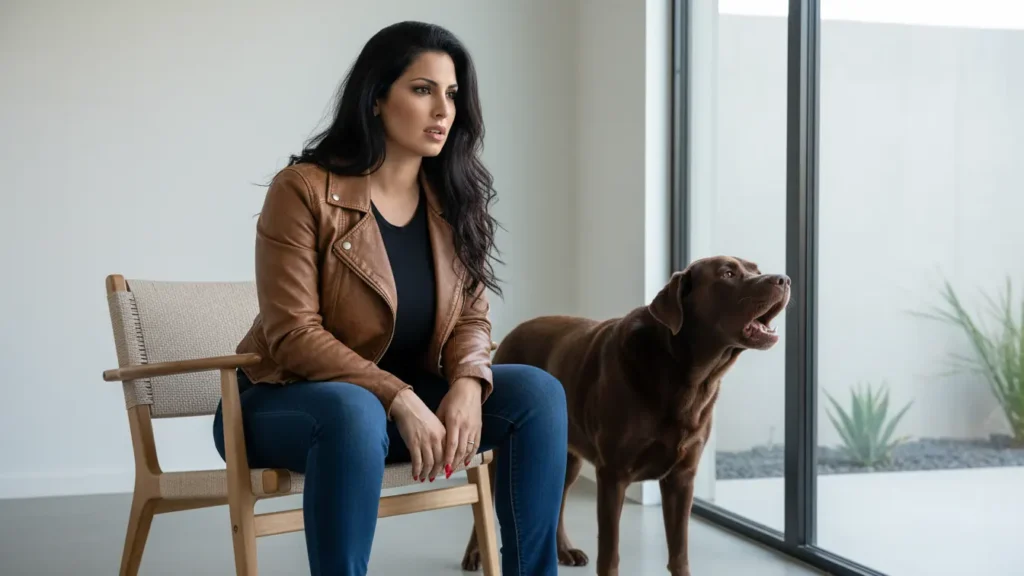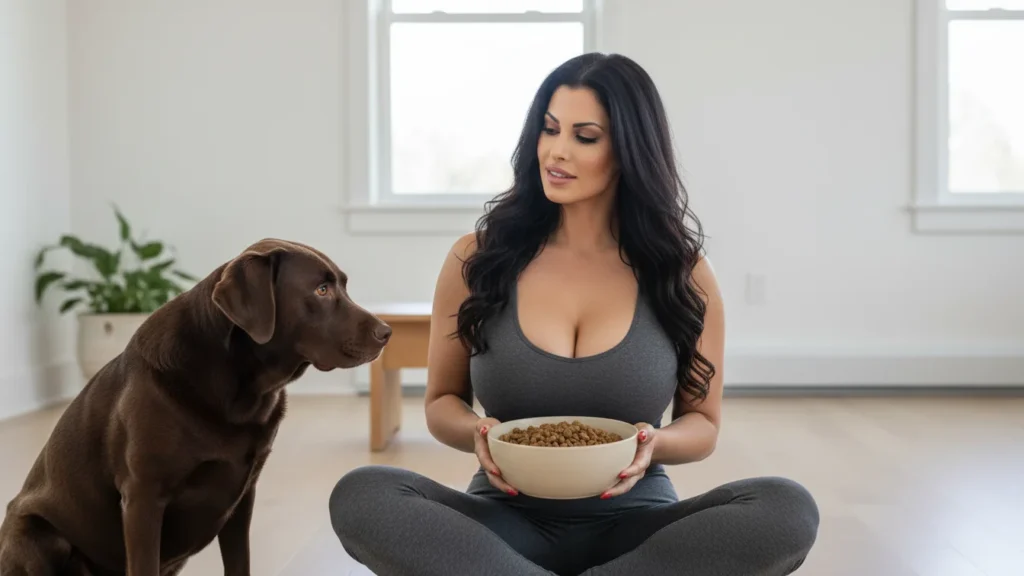
The Bowl Is Full—but Your Dog Walks Away
It catches you off guard.
You pour the same food.
The same brand.
The same “favorite” meal they’ve eaten eagerly for months—or years.
Your dog sniffs it.
Then turns away.
No excitement.
No tail wag.
Just disinterest.
For many owners, this moment triggers instant worry.
“Are they sick?”
“Are they bored?”
“Did I do something wrong?”
The truth is calmer—and more complex.
Dogs don’t refuse food randomly.
When a favorite meal is suddenly rejected, it’s almost always a signal, not stubbornness.
First, Let’s Clear a Big Myth: Dogs Aren’t “Being Difficult”
Dogs don’t play food games the way humans imagine.
They don’t:
- Punish owners
- Test boundaries intentionally
- Get “spoiled” overnight
When a dog refuses food, it’s because something about eating no longer feels right—physically, emotionally, or environmentally.
Understanding why matters more than trying to fix it fast.
Appetite vs. Interest: An Important Distinction
Many dogs that “won’t eat” are still hungry.
The issue isn’t appetite—it’s motivation.
A dog may:
- Accept treats but not meals
- Eat later than usual
- Sniff food without starting
This tells us the body still wants food, but the context of the meal has changed.
That context holds the answer.
The Most Common Reason: Subtle Stress or Emotional Shift
Dogs are deeply sensitive to changes—even ones we consider minor.
Common triggers include:
- A new schedule
- Household tension
- Travel
- Visitors
- Rearranged furniture
- Changes in feeding location
Stress suppresses appetite in dogs just like it does in humans.
And stress doesn’t have to look dramatic.
Sometimes it looks like quiet refusal.
Learned Food Aversion: When One Bad Experience Is Enough
Dogs form strong food memories.
If a dog felt:
- Nauseous after eating
- Uncomfortable shortly after a meal
- Pain while chewing
their brain may associate that feeling with the food—even if the food wasn’t the true cause.
This is called learned aversion, and it can happen fast.
To the dog, avoiding the food feels logical and protective.
Dental or Mouth Discomfort (Often Missed)
A dog can love a food—and still avoid it if eating hurts.
Early dental discomfort doesn’t always show as drooling or pawing.
Instead, dogs may:
- Sniff and walk away
- Eat softer foods only
- Take treats gently
- Chew on one side
Hard kibble or crunchy textures suddenly become unappealing.
The food isn’t rejected—the sensation is.
Digestive Changes Without Obvious Illness
Not all digestive issues cause vomiting or diarrhea.
Mild gut discomfort can cause:
- Reduced meal enthusiasm
- Delayed eating
- Skipping meals occasionally
Dogs are good at avoiding things that make them feel “off.”
Even if stools look normal, internal discomfort can quietly change eating behavior.
Overfeeding Treats (The Unintentional Appetite Killer)
This one surprises many owners.
Even small, frequent treats can:
- Reduce hunger
- Change expectations
- Make regular food seem less rewarding
Dogs are pattern learners.
If they learn that refusing food leads to tastier options later, the bowl loses its appeal.
Not manipulation—learning.
Food Fatigue Is Real (But Rarely Sudden)
Dogs can grow tired of a food—but true boredom develops gradually.
Sudden refusal is usually not boredom.
However, dogs with highly sensitive palates or strong smell preferences may:
- Reject food after a formula change
- Notice slight ingredient differences
- React to storage changes (stale smell matters)
To a dog, “same brand” doesn’t always mean “same experience.”
Age-Related Appetite Shifts
As dogs age:
- Smell sensitivity may decrease
- Taste perception changes
- Digestion slows
Smell drives appetite more than taste.
If food doesn’t smell as strong anymore, it may no longer trigger excitement—even if it’s familiar.
This is common in senior dogs and often misunderstood.
Comparison: Behavioral Refusal vs. Health-Related Refusal
| Feature | Behavioral Cause | Physical Cause |
|---|---|---|
| Energy level | Normal | Reduced |
| Interest in treats | High | Low or selective |
| Duration | Short-term | Persistent |
| Weight change | None | Possible loss |
| Response to environment | Sensitive | Less reactive |
This distinction helps guide calm next steps.
A Real-Life Pattern Many Owners Recognize
A common story:
“My dog skips meals—but eats the moment I sit nearby.”
This usually points to:
- Emotional reassurance needs
- Stress
- Routine disruption
Food refusal becomes a signal, not a hunger issue.
Mistakes Owners Make That Make It Worse
Well-meaning reactions often backfire.
Common mistakes include:
- Constantly switching foods
- Hand-feeding out of panic
- Adding toppers every time
- Hovering or pressuring
These teach the dog that refusing food leads to better options—or emotional intensity.
Consistency builds confidence.
What Actually Helps (Calm, Proven Steps)
You don’t need drastic changes.
Start here:
- Check the environment — same place, same time, low pressure
- Limit treats temporarily — let hunger reset naturally
- Give space — step away from the bowl
- Stick with one food — avoid rapid changes
- Observe patterns — timing, mood, surroundings
Most dogs resume eating once pressure disappears.
Hidden Tip: Time Matters More Than Variety
Dogs thrive on predictability.
Feeding windows—not constant availability—help regulate appetite.
If food is offered for 15–20 minutes and then removed calmly, dogs relearn mealtime clarity without stress.
Why This Matters Today
Modern dogs experience:
- More routine disruption
- More treat variety
- More owner anxiety around eating
This combination increases food refusal—not illness.
Understanding the difference prevents:
- Unnecessary panic
- Overfeeding
- Long-term picky habits
Food behavior is communication.
Listening calmly keeps it simple.
Key Takeaways
- Sudden food refusal is usually a signal, not stubbornness
- Stress, discomfort, and routine changes are common causes
- Treat overuse quietly reduces appetite
- Pressure and constant switching worsen the problem
- Calm consistency often resolves it naturally
Frequently Asked Questions
1. How long can a dog safely skip meals?
Healthy adult dogs can skip 24 hours occasionally, but patterns matter more than single meals.
2. Should I change food immediately?
No. Sudden changes often increase refusal.
3. Is refusing favorite food always serious?
Not always—but persistent refusal deserves attention.
4. Why does my dog eat treats but not meals?
Treats are higher reward and require less commitment to eat.
5. When should I seek professional advice?
If refusal lasts more than a day or two with behavior or energy changes.
A Clean, Simple Conclusion
When dogs refuse their favorite food, they’re not rejecting you.
They’re responding to something subtle—inside or around them—that changed how eating feels.
Most of the time, the answer isn’t new food or stronger flavors.
It’s patience, routine, and understanding.
When owners slow down, dogs often find their way back to the bowl—on their own terms.
Disclaimer: This article is for general educational purposes only and is not a substitute for professional veterinary guidance. If appetite changes persist or are accompanied by other symptoms, consult your veterinarian.

Dr. Sofia Romano, DVM, is an experienced veterinarian specializing in small-animal medicine and preventive care. She has treated thousands of cases using evidence-based diagnostics and modern clinical practices. Dr. Romano is dedicated to providing science-backed pet-health guidance that helps owners make informed decisions and improve their pets’ quality of life.