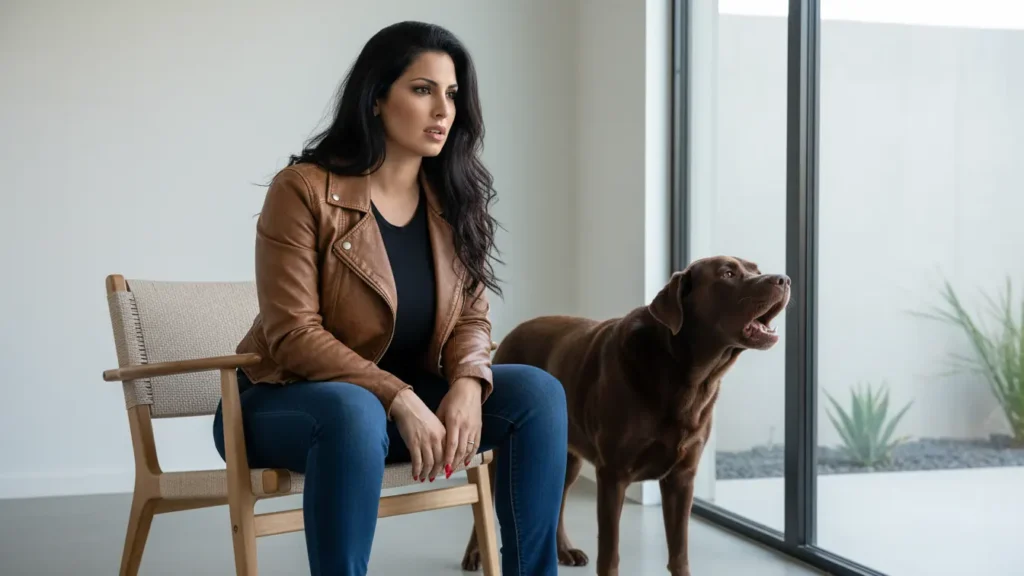
You set the bowl down. It’s the same food he’s inhaled every single day for the past year — maybe you even added a little extra of the good stuff. And he just… looks at it. Sniffs once. Walks away. If your dog is one of those legendarily food-motivated animals who’d trade almost anything for a treat, this moment can feel genuinely alarming. Something has to be wrong if even the favorite food isn’t working.
Sometimes it’s nothing. Sometimes it’s everything. The good news is that dogs almost always give off other clues alongside a sudden food refusal — you just have to know what to look for.
Why This Deserves Attention (Even If It’s Probably Fine)
Most dogs are enthusiastic, food-driven eaters, which is exactly why a sudden refusal stands out so clearly. When a normally reliable eater turns down food, it usually means they’re not feeling good — appetite is one of the more sensitive early indicators of a dog’s overall state, often shifting before anything else looks obviously wrong. That doesn’t mean panic is warranted. It means the change is worth paying attention to rather than dismissing.
Vets draw a useful distinction here: true anorexia is when a dog has no interest in food at all, while pseudo-anorexia is when a dog is genuinely hungry and wants to eat, but something — pain, difficulty chewing, trouble swallowing — is physically stopping them. Both look the same from across the room, but figuring out which one you’re dealing with changes what to check first.
The Common, Low-Stakes Causes
1. They’re just not that into this bowl right now
Dogs, like people, have off days and shifting preferences. Overfeeding, too many treats earlier in the day, or a recent string of extra-tasty table scraps can all leave a dog less interested in their regular food — not because anything’s wrong, but because they’re simply full or have decided something better might be on offer if they hold out. This is especially common in dogs who’ve been fed human food or high-value treats regularly; they learn that refusing sometimes gets them an upgrade.
2. A diet or brand change
If the food itself has changed recently — a new bag, a reformulated recipe, or a switch in brand — that alone can be enough to trigger refusal. Dogs are more sensitive to changes in smell and texture than most owners expect, and a “new and improved” formula from the manufacturer can taste different enough to a dog’s nose that they simply don’t recognize it as food they want.
3. Stress or a change in environment
A move, new furniture, a new pet or family member, travel, or even a shift in daily routine can throw a dog’s appetite off for a day or two. This tends to resolve on its own once things settle back into a predictable rhythm, and it’s rarely accompanied by other symptoms of illness.
4. Recent vaccination
It’s normal for a dog to have a mildly reduced appetite for a day or two after routine vaccinations, as their immune system responds. If appetite doesn’t bounce back within about 48 hours, it’s worth a call to the vet, but a brief dip right after a vaccine visit is expected.
The Physical and Medical Causes
5. Dental pain
This is one of the most common — and most easily missed — medical causes of sudden food refusal, especially with a dog’s favorite crunchy kibble or a treat that requires chewing. Dental disease can develop below the gumline where it’s invisible to an owner, meaning a dog’s teeth can look fine on the surface while still being painful to use. Signs to watch for alongside refusal include favoring one side of the mouth, dropping food, pawing at the face, or noticeably bad breath.
6. Nausea or gastrointestinal upset
An upset stomach, mild gastritis, or a bout of dietary indiscretion (getting into something they shouldn’t have) can suppress appetite the same way nausea does in people — the last thing you want when your stomach is unsettled is food, favorite or not. This often comes with other clues: lip-licking, drooling, lethargy, vomiting, or loose stool.
7. Arthritis or joint pain
For older dogs especially, standing over a bowl and lowering the head to eat can be genuinely uncomfortable if arthritis, hip dysplasia, or an injury is involved. In these cases, it’s not that the dog doesn’t want the food — it’s that getting into position to eat it hurts. Raised feeding bowls and easier access to the eating area can make a real difference here.
8. Underlying illness
A wide range of more serious conditions can also present as a sudden loss of appetite, including kidney disease, liver disease, pancreatitis, infections, and, less commonly, gastrointestinal obstruction from a swallowed foreign object. These cases typically come with other signs — lethargy, vomiting, diarrhea, changes in thirst or urination, or a generally “off” demeanor — rather than food refusal happening in complete isolation.
9. Cognitive decline in senior dogs
In older dogs, a drop in interest in eating or drinking can sometimes be tied to cognitive changes rather than a physical problem with the food or the mouth. This is more likely if it’s paired with other signs like confusion, a disrupted sleep schedule, or house-training lapses in a previously reliable dog.
How to Narrow It Down
A few quick checks at home can point you in the right direction before you even call the vet:
- Is your dog still drinking water normally? A dog still drinking but not eating is a somewhat different picture than one refusing both.
- Are they acting completely normal otherwise — playing, greeting you, engaging with the family — or do they seem withdrawn, lethargic, or uncomfortable?
- Check the mouth. Look for redness, swelling, broken teeth, or bad breath, and notice if your dog seems to favor one side while eating a treat.
- Has anything changed recently — new food, new environment, new medication, a recent vaccine?
- Is this the first missed meal, or has it been going on for more than a day or two? Most healthy adult dogs can safely go a few days without food as long as they’re still drinking, but that’s a ceiling, not a target.
When to Call the Vet
Reach out promptly if food refusal is:
- Paired with vomiting, diarrhea, lethargy, or a swollen abdomen
- Lasting more than 24–48 hours with no improvement
- Combined with a refusal to drink water
- Showing up alongside weight loss, changes in urination, or bad breath
- Happening in a puppy, senior dog, or a dog with an existing health condition — these groups have less reserve and should be checked sooner rather than later
What to Try First (If Your Dog Otherwise Seems Fine)
If there are no other symptoms and your dog seems generally normal, a few gentle steps can often coax them back to eating:
- Warm the food slightly to release more aroma — this alone often makes a real difference
- Add a splash of low-sodium broth for extra flavor
- Try hand-feeding a few pieces, especially for social eaters who respond to company
- Switch texture briefly — wet food if they usually eat dry, or vice versa
- Avoid immediately offering something “better” the moment they refuse, since this can accidentally teach a dog that holding out gets them an upgrade
The Bottom Line
A dog turning down their favorite food is rarely completely random — it’s either a passing preference shift, a stress response to something in their environment, or a genuine physical signal that something hurts or feels off. The context around the refusal — how long it lasts, what else is happening, and whether your dog seems otherwise like themselves — is almost always enough to tell you which category you’re in. When in doubt, especially past the 24-to-48-hour mark, a vet visit is a much better use of time than waiting to see if hunger eventually wins out.
Sources & Further Reading
- Anorexia in Dogs — VCA Animal Hospitals
- My Dog Won’t Eat: Feeding Picky Eaters — VCA Animal Hospitals
- Why Is My Dog Not Eating? Causes and What to Do — PetMD
- 7 Reasons Why Your Dog Is Not Eating (and How to Help) — GoodRx

Dr. Sofia Romano, DVM, is an experienced veterinarian specializing in small-animal medicine and preventive care. She has treated thousands of cases using evidence-based diagnostics and modern clinical practices. Dr. Romano is dedicated to providing science-backed pet-health guidance that helps owners make informed decisions and improve their pets’ quality of life.