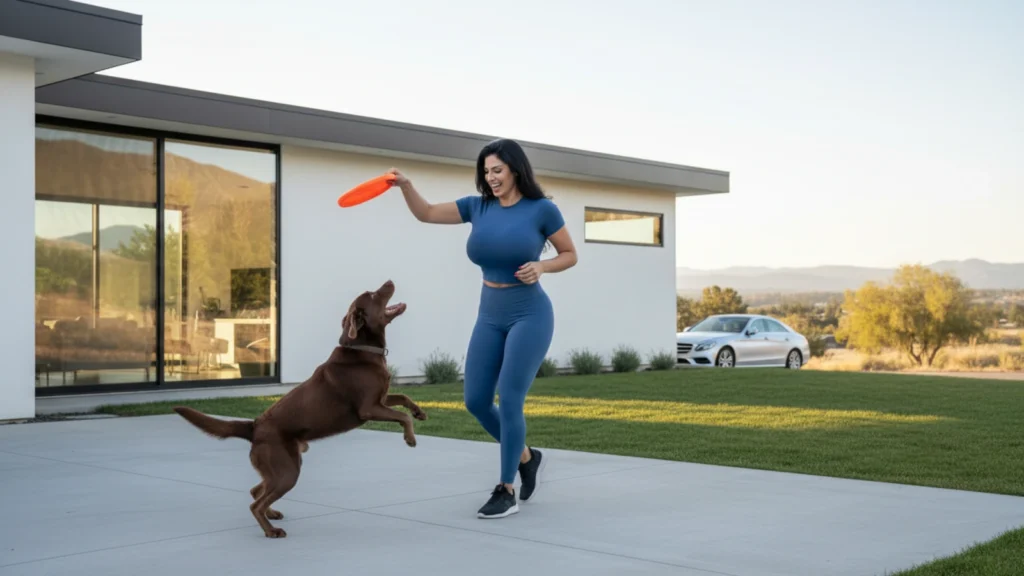
“The Toy Basket Mystery”
You buy a new toy.
Then another.
And another.
The basket overflows.
Yet your dog walks past all of them…
And picks that one.
The torn plush.
The frayed rope.
The rubber ball they’ve loved for years.
Most owners laugh it off.
But beneath this behavior lies something deeper than preference.
👉 Dogs don’t choose toys randomly.
👉 Their favorites are shaped by instinct, emotion, memory, and sensory comfort.
Understanding why your dog prefers certain toys can help you choose better enrichment, reduce boredom, and even spot emotional needs you didn’t realize they had.
First: Do Dogs Really Have Toy Preferences?
Yes — absolutely.
Research in canine cognition and behavior shows that dogs:
- Form emotional attachments to objects
- Remember positive play experiences
- Seek predictability when stressed
- Choose toys that meet specific sensory needs
Toy preference is not stubbornness.
It’s decision-making.
Reason #1: Sensory Comfort (Smell, Texture, Sound)
Dogs experience toys through their senses — far more intensely than humans.
They notice:
- Texture against teeth and gums
- Weight and resistance
- Sound (squeakers, crinkles)
- Smell — especially human scent
A favorite toy often:
- Smells familiar
- Feels just right in the mouth
- Produces predictable feedback
Real-life example
A dog that always chooses a soft, worn plush may be seeking comfort — not excitement.
Reason #2: Emotional Association and Memory
Dogs form emotional memories, not logical ones.
A toy becomes special if it was present during:
- Puppyhood
- Comfort after stress
- Bonding moments with owners
- Play that triggered joy or relief
That emotional imprint stays.
Even when the toy is damaged or dirty, the memory attached to it remains powerful.
This is similar to a child clinging to a worn blanket.
Reason #3: Instinctual Play Style (Breed Matters)
Different breeds are wired for different play behaviors.
Examples:
- Retrievers → balls, fetch toys
- Terriers → tug, shake toys
- Herding breeds → chase-oriented toys
- Scent hounds → sniff-based toys
Dogs prefer toys that match their instinctual drive.
A mismatch leads to disinterest — not lack of playfulness.
Reason #4: Predictability and Control
Dogs like knowing what will happen next.
Favorite toys:
- React consistently
- Feel familiar
- Don’t surprise them
New toys may:
- Sound strange
- Feel unpredictable
- Trigger caution
Especially in anxious or sensitive dogs, predictability equals safety.
Reason #5: Self-Soothing and Stress Relief
Some toys serve an emotional purpose.
Dogs may use favorite toys to:
- Self-soothe
- Reduce anxiety
- Feel secure
- Regulate emotions
You may notice:
- Carrying the toy around
- Sleeping with it
- Gently mouthing it
This is not possessiveness — it’s emotional regulation.
Reason #6: Past Reinforcement (Unintentional Training)
Dogs repeat behaviors that were rewarded.
If:
- You play more with one toy
- Laugh or engage more
- Use it during bonding
That toy becomes more valuable.
Over time, dogs learn:
👉 “This toy brings connection.”
Other toys fade into the background.
Reason #7: Physical Comfort and Oral Needs
Some dogs prefer toys that meet physical needs:
- Teething relief
- Gum pressure
- Jaw exercise
Senior dogs may prefer:
- Softer toys
- Lightweight items
- Easy-to-grip shapes
Toy preference can change with age and dental comfort.
Favorite Toy vs Ignored Toy: What’s the Difference?
| Feature | Favorite Toy | Ignored Toy |
|---|---|---|
| Texture | Comfortable | Too hard/soft |
| Smell | Familiar | Neutral |
| Sound | Predictable | Startling |
| Weight | Easy to carry | Awkward |
| Emotional link | Strong | None |
When Toy Preference Is Totally Normal
✔ Choosing one toy repeatedly
✔ Ignoring new toys at first
✔ Carrying a favorite item
✔ Rotating interest slowly
These behaviors are healthy.
They show emotional stability and choice.
When Toy Fixation Might Signal a Problem
⚠️ Guarding aggressively
⚠️ Inability to settle without the toy
⚠️ Obsessive chewing
⚠️ Anxiety when toy is removed
These cases may reflect stress or unmet needs — not “spoiling.”
Common Mistakes Owners Make
❌ Buying too many toys at once
❌ Forcing interaction with disliked toys
❌ Taking away favorite toys as punishment
❌ Assuming boredom means “more toys”
❌ Ignoring emotional comfort
More toys ≠ better enrichment.
How to Choose Toys Your Dog Will Actually Love
Step 1: Observe Play Style
Ask:
- Do they chew, chase, tug, or cuddle?
- High energy or calm engagement?
Match toys to behavior.
Step 2: Rotate, Don’t Flood
- Keep 3–5 toys available
- Rotate weekly
- Reintroduce favorites
Scarcity increases interest.
Step 3: Add Emotional Value
- Play together
- Use toys during bonding
- Avoid passive tossing
Connection strengthens preference.
Step 4: Respect the Favorite
Don’t discard worn toys unless unsafe.
They often carry emotional security.
Why This Matters Today
Modern dogs face:
- Less free exploration
- More indoor living
- Higher emotional stimulation
Toys aren’t just entertainment anymore.
They are:
- Emotional outlets
- Stress regulators
- Mental enrichment tools
Understanding toy preference improves:
- Emotional wellbeing
- Behavior balance
- Owner–dog bonding
Key Takeaways
- Dogs prefer toys for emotional and sensory reasons
- Favorite toys offer comfort, not just play
- Breed instincts influence toy choice
- Emotional memory shapes attachment
- Respecting preferences improves wellbeing
Frequently Asked Questions
1. Is it bad if my dog only likes one toy?
No. As long as behavior is balanced and non-obsessive.
2. Why does my dog ignore new toys?
Caution, unfamiliarity, or lack of emotional association.
3. Should I throw away old, torn toys?
Only if unsafe. Emotional value often outweighs appearance.
4. Can toy preference change over time?
Yes — with age, health, and emotional changes.
5. How many toys does a dog really need?
Quality matters more than quantity. A few meaningful toys are enough.
Conclusion: A Favorite Toy Is Never “Just a Toy”
When your dog chooses one toy again and again, they’re not being picky.
They’re choosing:
- Comfort
- Familiarity
- Emotional safety
That worn, slobbery toy holds memories you can’t see — but your dog can feel.
Respecting that choice strengthens trust, reduces stress, and deepens your bond.
Sometimes, love looks like a chewed-up plush.
And that’s perfectly okay.
Disclaimer: This article is for educational purposes only and does not replace professional veterinary or behavioral advice. If your dog shows obsessive or aggressive behavior around toys, consult a qualified professional.

Dr. Sofia Romano, DVM, is an experienced veterinarian specializing in small-animal medicine and preventive care. She has treated thousands of cases using evidence-based diagnostics and modern clinical practices. Dr. Romano is dedicated to providing science-backed pet-health guidance that helps owners make informed decisions and improve their pets’ quality of life.


Pingback: Why Dogs Roll In Garbage Or Dead Animals — The Instinct Owners Don’t Expect
Pingback: Why Adult Dogs Still Chew Everything — The Hidden Reasons Owners Overlook
Pingback: Why Dogs Hump Even When Neutered — The Real Reasons Vets And Trainers Explain
Pingback: Why Dogs Prefer Cold Floors Over Beds — What Their Body Is Really Telling You
Pingback: Best Dog Treats For Puppies That Trainers & Vets Swear By (Safe, Tasty, Proven)