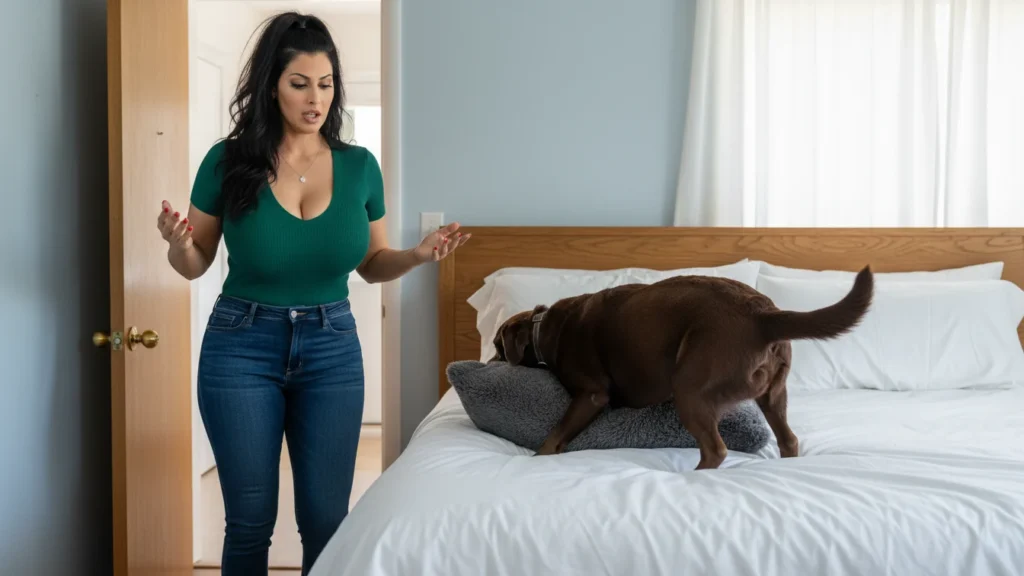
Picture this: You’ve invited your new neighbors over for coffee. Everything is going perfectly until your dog trots into the living room, locks onto a couch pillow (or worse, your neighbor’s leg), and starts vigorously humping. You apologize, mortified, and blurt out, “I swear he’s neutered!”
If this sounds familiar, take a deep breath. You aren’t alone. It’s one of the most common—and embarrassing—complaints veterinarians and dog trainers hear. Many pet parents assume that spaying or neutering will instantly flip the “off” switch on mounting behavior. But the truth is, humping is rarely just about reproduction.
Let’s dive into the fascinating, slightly awkward, and completely natural reasons why your fixed dog is still humping, and what the experts say you should actually do about it.
It’s Not About Mating: 5 Real Reasons Neutered Dogs Hump
Once the hormonal drive is reduced by spaying or neutering, mounting behavior usually shifts into a coping mechanism or a communication tool. Both male and female dogs do it. Here is what your dog is actually trying to process.
1. Excitement and Overstimulation
Does your dog turn into a humping machine the second you grab the leash, when their favorite person walks through the door, or during intense play? For many dogs, mounting is simply a byproduct of an overflowing emotional cup.
When a dog gets overly excited, they don’t always know where to direct that massive burst of energy. Just like a toddler might jump up and down or scream when thrilled, an overstimulated dog might resort to humping as an outlet to burn off that sudden rush of adrenaline.
2. The Canine Version of a Stress Ball (Anxiety)
Veterinarians refer to this as a displacement behavior. Think of it like a human biting their nails, pacing, or twirling their hair when nervous.
If your dog is thrust into a situation that makes them anxious—like meeting a chaotic new puppy, hearing loud noises, or being in a crowded space—they might start humping a nearby object to self-soothe. The rhythmic motion of humping can be comforting, temporarily calming their frazzled nerves.
3. Clumsy Play and Poor Social Skills
If you watch a litter of puppies, you’ll notice they mount each other constantly. It’s a completely normal part of learning how to interact and play.
However, if a dog wasn’t properly socialized when they were young, they might never have learned the nuances of polite canine play. Instead of using a standard “play bow” to initiate a game of tag, an undersocialized dog might resort to humping because they literally don’t know how else to say, “Hey, let’s wrestle!”.
4. They Figured Out It Gets Your Attention
Dogs are absolute masters at reading human behavior. If your dog humps the air and you immediately jump up, shout “No!”, and chase them around the living room, guess what? They just successfully engaged you.
To a bored dog, even negative attention is better than no attention. If humping guarantees that you will drop your phone and look at them, a smart dog will quickly turn the action into a learned habit.
5. Hidden Medical Issues
While behavioral reasons are the most common, sudden humping can be a red flag for physical discomfort. Underlying health issues can cause inflammation or itchiness that triggers mounting behavior. Watch out for:
- Urinary Tract Infections (UTIs)
- Skin allergies (causing irritation around the genitals)
- Prostate issues or incontinence
If your older dog suddenly starts humping out of nowhere, or is excessively licking themselves in addition to the mounting, it’s time to book a vet appointment.
Myth Busting: Is It About Dominance?
If you grew up watching old-school dog training shows, you’ve probably heard that a dog humps to show you—or other dogs—who the “alpha” is.
Modern veterinary behaviorists want to lay this myth to rest once and for all. Dogs do not hump to assert dominance. Assuming your dog is trying to control you only leads to unnecessary scolding and punishment, which can actually make a stressed or anxious dog feel even worse.
Actionable Tips: How to Stop the Humping
If your dog occasionally humps their favorite stuffed animal for a few seconds and moves on, there is no real harm in letting them self-soothe. But if the behavior is obsessive, targets houseguests, or annoys other dogs at the park, you need a game plan.
- Catch it Before it Happens: Watch for the warning signs of over-arousal. Does your dog get a glazed look, start panting, or paw at you before mounting? Intervene before the humping starts.
- Redirect with an Incompatible Command: As soon as they gear up to hump, ask them to do something else. Tell them to “Sit,” “Down,” or “Go to your bed.” Reward them heavily for obeying. They physically can’t hump and sit at the same time.
- The “Time-Out” Method: If your dog is humping for attention, quietly remove the attention. Turn your back, ignore them, or calmly walk into another room and close the door for 30 seconds.
- Increase Mental Stimulation: A mentally tired dog is a well-behaved dog. If your dog is humping out of pent-up energy, swap a standard walk for a 15-minute training session or a puzzle toy. Mental fatigue often curbs hyperactive displacement behaviors better than physical exercise alone.
High-Authority Sources & Further Reading
To ensure your pet’s health and happiness, always rely on scientifically-backed veterinary advice. The insights in this article are drawn from leading animal health authorities:
- ASPCA (American Society for the Prevention of Cruelty to Animals): Guidelines on Mounting and Masturbation in Dogs.
- PetMD (Veterinary Authored): Behavioral insights on Why Dogs Hump.
- UC Davis School of Veterinary Medicine: Clinical overview of Inappropriate Mounting in Dogs.
- Veterinary Information Network (VIN): Analysis on Neutered Dogs and Mounting Behavior.
A Quick Note: If behavior modification isn’t working, or if your dog seems agitated and compulsive, don’t hesitate to reach out to a certified force-free trainer or a veterinary behaviorist. They can help you decode your dog’s unique quirks without stress or shame.

Dr. Sofia Romano, DVM, is an experienced veterinarian specializing in small-animal medicine and preventive care. She has treated thousands of cases using evidence-based diagnostics and modern clinical practices. Dr. Romano is dedicated to providing science-backed pet-health guidance that helps owners make informed decisions and improve their pets’ quality of life.




Pingback: Why Dogs Lick Their Owners Excessively — What They’re Really Trying To Say