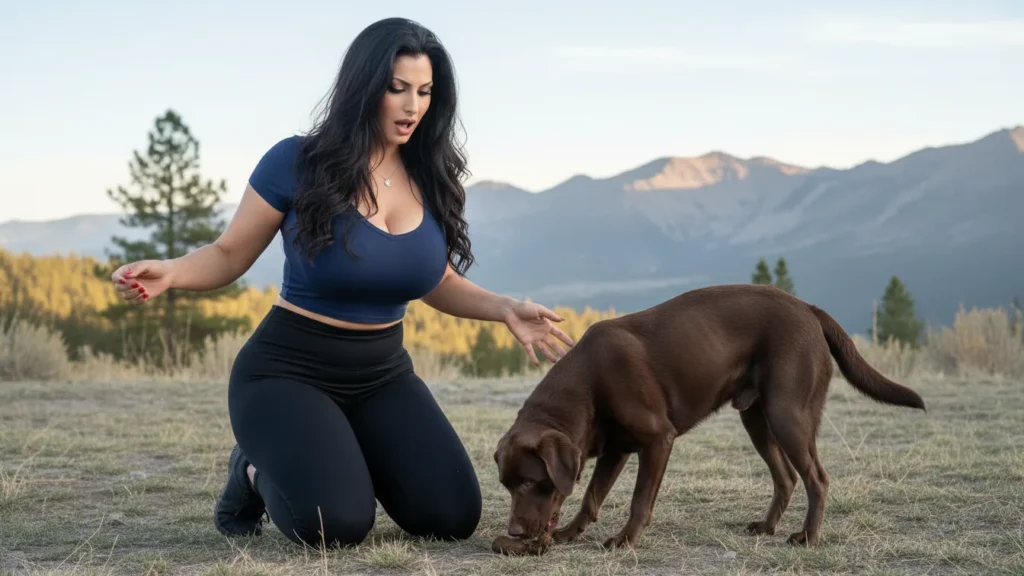
“The Behavior That Shocks Almost Every Dog Owner”
You look away for a second.
Your dog squats.
You turn back — and before you can react, they’re already eating it.
Shock.
Disgust.
And the same question every owner asks:
“Why would my dog do this?”
Poop eating — known medically as coprophagia — is one of the most misunderstood dog behaviors.
Many owners assume it’s:
- A sign of illness
- Poor training
- Something “wrong” mentally
But veterinarians see this behavior regularly — in healthy, loved, well-fed dogs.
The truth is more complex.
Sometimes it’s behavioral.
Sometimes it’s medical.
Sometimes it’s instinctive.
And understanding why it happens is the first step to stopping it effectively — without panic or punishment.
First, Let’s Normalize the Question
If your dog eats poop, you are not a bad owner.
Studies suggest that up to 20–25% of dogs engage in coprophagia at some point in their lives.
It’s more common than people admit — because no one enjoys talking about it.
The key is learning whether your dog’s behavior is:
- Learned
- Stress-related
- Diet-related
- Or signaling an underlying health issue
Behavioral vs Medical Causes: Why This Distinction Matters
Not all poop eating means disease.
In fact, most cases are behavioral, especially in:
- Puppies
- Young dogs
- Multi-dog households
Medical causes are less common — but important to recognize early.
Treating the wrong cause leads to frustration and failure.
Behavioral Cause #1: Normal Puppy Exploration
Puppies explore the world with their mouths.
That includes:
- Toys
- Shoes
- Dirt
- And yes… poop
In puppies, coprophagia is often:
- Curiosity-driven
- Short-lived
- Easily redirected
Most puppies outgrow this behavior naturally as their environment and training mature.
Behavioral Cause #2: Learned Behavior From the Environment
Dogs learn quickly — sometimes unintentionally.
Common ways poop eating is learned:
- A mother dog cleaning puppies
- Watching another dog eat feces
- Being confined in dirty spaces
- Owners reacting strongly (attention = reward)
If a dog learns early that poop leads to attention or relief, the habit can stick.
Behavioral Cause #3: Anxiety, Stress, or Boredom
Mental state matters more than many owners realize.
Dogs may eat poop when they are:
- Anxious
- Under-stimulated
- Left alone for long periods
- Experiencing routine changes
This is especially common in:
- Shelter dogs
- Dogs with separation anxiety
- Highly intelligent breeds lacking enrichment
For these dogs, poop eating becomes a coping behavior, not hunger.
Behavioral Cause #4: Fear of Punishment
This one surprises many owners.
Dogs that are punished for accidents may eat their poop to:
- Hide evidence
- Avoid scolding
- Reduce owner reaction
Even raised voices or angry body language can reinforce this pattern.
Important:
Dogs don’t feel guilt — they react to outcomes.
Medical Cause #1: Digestive Malabsorption
When nutrients aren’t absorbed properly, dogs may seek them elsewhere.
Medical triggers include:
- Exocrine pancreatic insufficiency
- Chronic gastrointestinal disease
- Poor nutrient absorption
In these cases, stool may still contain undigested nutrients — making it appealing.
These dogs often show:
- Weight loss
- Increased appetite
- Loose or bulky stools
Medical Cause #2: Nutritional Deficiencies
Not all diets are equal for every dog.
Deficiencies in:
- Digestive enzymes
- Certain vitamins
- Essential nutrients
can increase coprophagia.
This doesn’t always mean low-quality food — some dogs simply require different formulations.
Medical Cause #3: Parasites or Gut Imbalance
Internal parasites can disrupt digestion and nutrient uptake.
This can lead to:
- Increased hunger
- Altered gut bacteria
- Abnormal cravings
Regular deworming and stool checks play a key role in prevention.
Medical Cause #4: Endocrine or Metabolic Disorders
Certain diseases increase appetite and hunger-driven behaviors.
Examples include:
- Diabetes
- Thyroid imbalance
- Cushing’s disease
In these cases, poop eating is often paired with:
- Excessive thirst
- Weight changes
- Increased urination
Dog Poop Eating: Behavioral vs Medical Comparison
| Feature | Behavioral Cause | Medical Cause |
|---|---|---|
| Age | Puppies, young dogs | Any age |
| Appetite | Normal | Often increased |
| Stool quality | Normal | Often abnormal |
| Other symptoms | Anxiety, boredom | Weight loss, GI signs |
| Response to training | Improves | Minimal without treatment |
Common Mistakes Owners Make
Good intentions can make the habit worse.
Mistakes to avoid:
- Punishing the dog
- Chasing or yelling
- Ignoring underlying stress
- Using random supplements blindly
- Waiting too long to rule out medical causes
Punishment increases anxiety — and anxiety fuels the behavior.
What Actually Helps (Actionable Steps)
Effective management depends on the cause.
Helpful strategies include:
- Immediate stool cleanup
- Leash walks to prevent access
- Increasing mental stimulation
- Feeding balanced, appropriate diets
- Rewarding desired behaviors
- Consistent routines
For many dogs, prevention beats correction.
When You Should Consider a Medical Check
Seek professional evaluation if poop eating is:
- Sudden in adult dogs
- Paired with weight loss
- Accompanied by diarrhea
- Combined with increased hunger
- Not improving with behavior changes
Medical causes are less common — but important not to miss.
Why This Matters Today
Dogs live closer to humans than ever before.
That means:
- More indoor living
- Less stimulation
- Higher emotional sensitivity
Behaviors like coprophagia often reflect unmet needs, not “bad dogs.”
Understanding that changes how effectively we help them.
Key Takeaways
- Poop eating is common, not shameful
- Most cases are behavioral, not medical
- Anxiety and boredom are major triggers
- Punishment makes it worse
- Persistent cases deserve evaluation
Frequently Asked Questions
1. Do dogs eat poop because they’re hungry?
Sometimes, but more often it’s behavioral or stress-related.
2. Is poop eating dangerous for dogs?
It can expose dogs to parasites and bacteria, so prevention matters.
3. Do dogs outgrow this behavior?
Many puppies do, but adult habits may need intervention.
4. Should I use supplements to stop it?
Only with guidance — they don’t work for every cause.
5. Is this a sign of poor training?
No. Even well-trained dogs can develop this behavior.
Conclusion
When dogs eat their own poop, it’s rarely about being “gross” or disobedient.
It’s about instinct, learning, emotion, or internal balance.
By understanding the real reasons behind the behavior, you move from frustration to clarity — and from guesswork to solutions that actually work.
And that’s how habits change — calmly, consistently, and compassionately.
Disclaimer
This article is for general educational purposes only and does not replace professional veterinary advice. If the behavior persists or is accompanied by other symptoms, consult a qualified veterinarian.

Dr. Sofia Romano, DVM, is an experienced veterinarian specializing in small-animal medicine and preventive care. She has treated thousands of cases using evidence-based diagnostics and modern clinical practices. Dr. Romano is dedicated to providing science-backed pet-health guidance that helps owners make informed decisions and improve their pets’ quality of life.



Pingback: 10 Human Foods That Are Surprisingly Safe For Dogs — Vet-Approved Guide