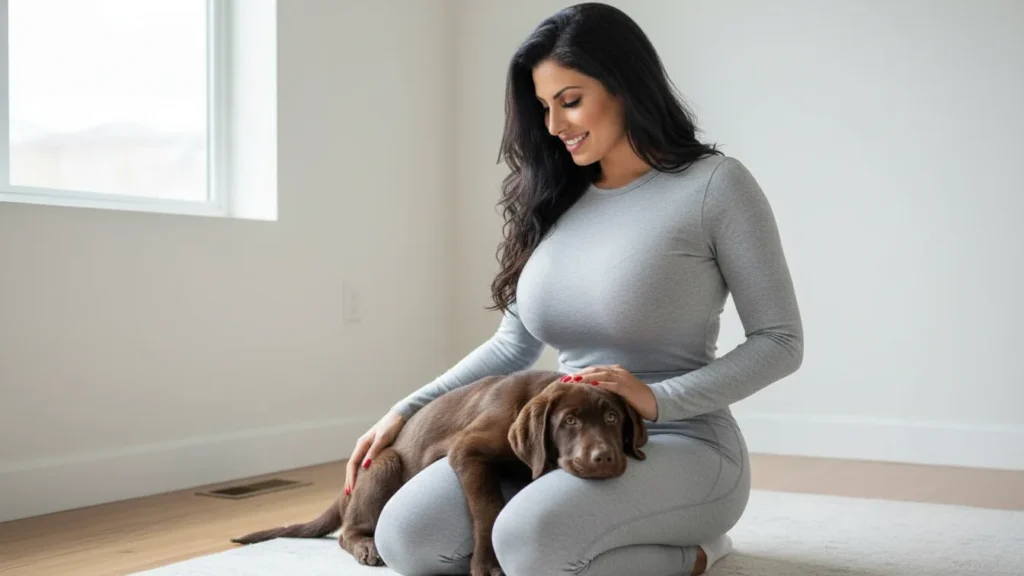
When Recovery Feels Different
Your dog is finally better.
The fever is gone.
The appetite is back.
The medication has stopped.
But something has changed.
They follow you everywhere.
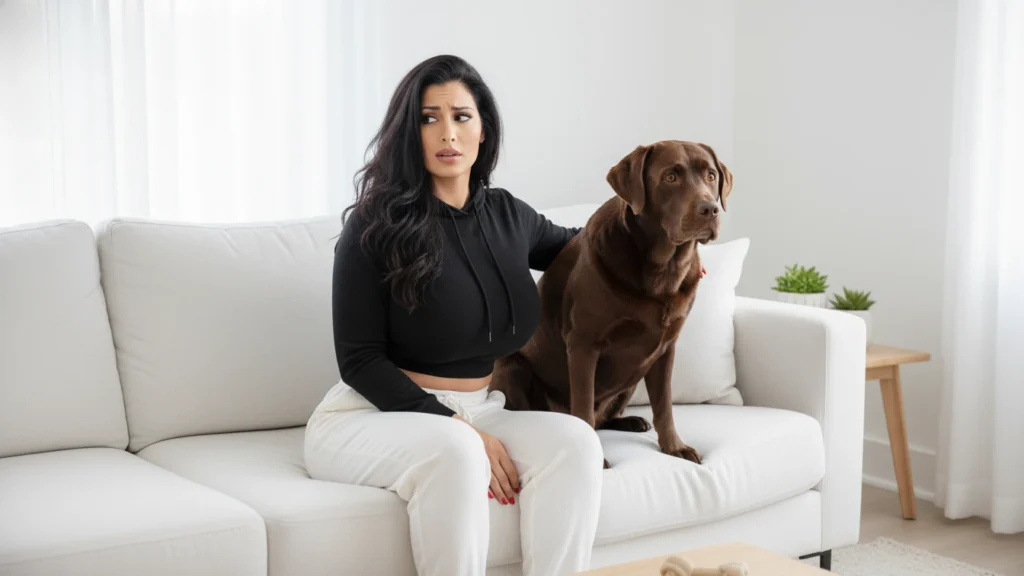
They panic when you leave the room.
They sleep closer than ever before.
Many pet parents feel relieved—and confused.
“Why is my dog suddenly so attached?”
This isn’t a coincidence.
It isn’t manipulation.
And it isn’t “bad behavior.”
It’s a predictable emotional response shaped by biology, memory, and survival.
Why This Matters More Than Most Owners Realize
Post-illness attachment is often misunderstood.
Some owners reinforce it unintentionally.
Others try to correct it too harshly.
Both approaches can worsen anxiety long-term.
Understanding why this happens allows you to respond calmly—without guilt, fear, or confusion.
Illness Changes How Dogs Experience Safety
When a dog is ill, their world contracts.
Energy drops.
Confidence fades.
Control disappears.
In that vulnerable state, dogs rely heavily on external safety cues—especially their primary human.
During illness, you likely became:
- The source of comfort
- The provider of relief
- The predictor of safety
The dog’s brain links you = survival stability.
Once health returns, that emotional association doesn’t automatically reset.
The Biology Behind Post-Illness Attachment
Illness activates a dog’s stress response system.
Cortisol (the stress hormone) rises.
Oxytocin (the bonding hormone) spikes during comfort.
Memory centers record who was present during vulnerability.
This creates a powerful emotional imprint.
Dogs don’t think: “I was sick.”
They feel: “I was unsafe—until you were there.”
That memory lingers well beyond physical recovery.
Why Dogs Don’t “Snap Back” Emotionally
Physical healing is fast.
Emotional recalibration is slower.
Dogs evolved to prioritize survival over independence.
If a behavior increased safety once, the brain keeps it active—just in case.
Following you closely.
Checking your presence repeatedly.
Reacting strongly to separation.
These behaviors are adaptive, not pathological.
Common Signs of Post-Illness Overattachment
Many owners notice subtle changes first:
- Following you from room to room
- Whining when doors close
- Increased sleep near you
- Reduced interest in being alone
- Heightened sensitivity to your mood
These aren’t signs of weakness.
They’re signs of emotional learning.
Overattachment vs Healthy Bonding: Know the Difference
| Healthy Post-Illness Bonding | Problematic Overattachment |
|---|---|
| Seeks reassurance occasionally | Panics when alone |
| Follows but can settle independently | Cannot relax without you |
| Enjoys closeness but explores | Refuses separation |
| Gradually improves over weeks | Worsens over time |
The key difference is flexibility.
Why Some Dogs Are More Affected Than Others
Not all dogs react the same way.
Stronger attachment shifts are more common in:
- Dogs with previous anxiety
- Senior dogs
- Dogs who experienced hospitalization
- Single-person households
- Dogs who received intensive care
Temperament matters—but so does experience.
Real-Life Example from Clinical Practice
A young Labrador recovered fully from gastroenteritis.
Physically normal.
Playful again.
Eating well.
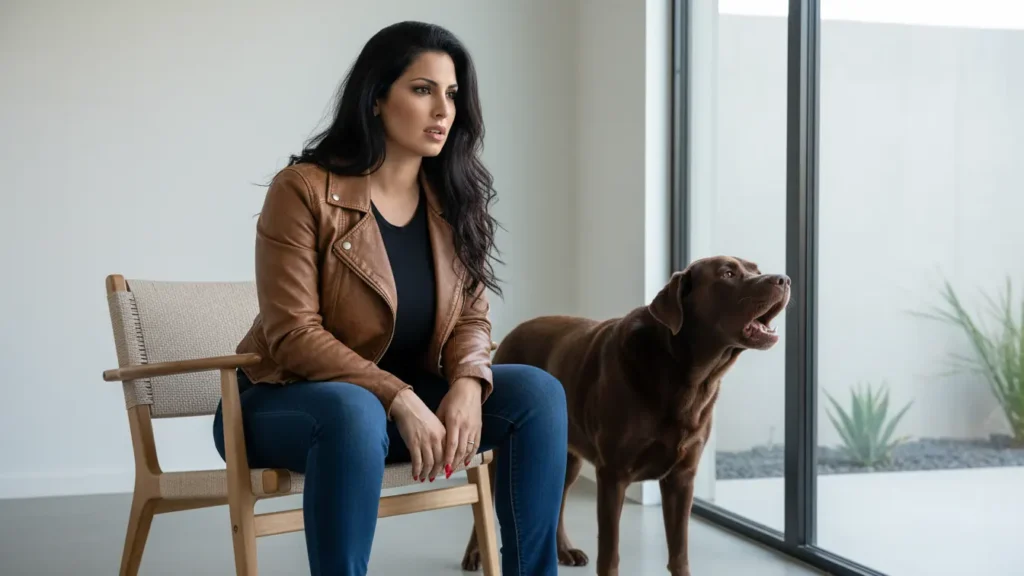
But he began panicking whenever his owner left—even briefly.
Nothing was “wrong” medically.
His brain had simply learned:
Illness = safety comes from proximity.
Once we addressed the emotional side—not the symptoms—the behavior slowly resolved.
The Mistake Most Owners Make After Illness
The most common mistake?
Accidentally reinforcing fear-based attachment.
Examples include:
- Constant reassurance when the dog checks in
- Never allowing short separations
- Over-monitoring behavior
- Interpreting closeness as fragility
This teaches the dog:
“Staying close prevents something bad from happening.”
Another Mistake: Pushing Independence Too Fast
The opposite mistake is just as harmful.
Suddenly enforcing distance.
Ignoring emotional signals.
Correcting clingy behavior harshly.
To a recovering dog, this feels like withdrawn safety.
Balance—not extremes—is the solution.
How to Support Emotional Recovery (Step-by-Step)
Think of recovery as two phases: physical and emotional.
Step 1: Normalize Calm Independence
Encourage short, predictable separations:
- Step into another room calmly
- Return without celebration
- Repeat daily
Step 2: Reward Settling, Not Following
Quiet praise when your dog relaxes alone reinforces safety without dependence.
Step 3: Restore Routine Gradually
Predictability rebuilds confidence:
- Same walk times
- Same feeding cues
- Same sleep spaces
Step 4: Avoid Emotional Overreaction
Stay neutral when leaving and returning.
Calm humans create calm dogs.
Hidden Tip Most People Miss
Emotional recovery often mirrors owner behavior.
If you are anxious after illness, your dog senses it.
Dogs read:
- Tone
- Tension
- Micro-behaviors
Your calm is the most powerful reassurance tool you have.
Why This Attachment Isn’t “Weakness”
In evolutionary terms, post-illness attachment is intelligent.
It reflects:
- Memory
- Learning
- Risk assessment
Your dog didn’t become needy.
They became cautious—and temporarily more bonded.
When to Be Concerned
While most cases resolve naturally, seek guidance if:
- Panic escalates instead of fading
- Appetite drops again
- Destructive behavior appears
- Sleep is severely disrupted
These may signal unresolved stress—not stubbornness.
Frequently Asked Questions
1. How long does post-illness attachment last in dogs?
Typically 2–6 weeks, depending on severity of illness and emotional support provided.
2. Can this turn into separation anxiety?
It can if fear-based behaviors are reinforced, but early, balanced support usually prevents this.
3. Should I ignore my dog when they follow me?
No. Neutral presence works better than ignoring or over-reassuring.
4. Is this more common after hospitalization?
Yes. Hospital stays intensify vulnerability and memory imprinting.
5. Should I consult a vet or behaviorist?
If attachment worsens or interferes with daily life, professional guidance is helpful.
Key Takeaways
- Illness reshapes emotional memory in dogs
- Post-recovery attachment is biologically normal
- Overattachment isn’t misbehavior—it’s learned safety
- Balance reassurance with gentle independence
- Calm routines rebuild emotional confidence
A Calm Ending to a Sensitive Shift
Your dog didn’t change because they’re fragile.
They changed because they survived something—and learned who made it safer.
With patience, structure, and calm leadership, that heightened attachment softens naturally.
What remains is something healthier:
Trust, confidence, and a bond that no longer needs fear to sustain it.
Disclaimer: This article is for general educational purposes and does not replace personalized veterinary or behavioral advice.

Dr. Sofia Romano, DVM, is an experienced veterinarian specializing in small-animal medicine and preventive care. She has treated thousands of cases using evidence-based diagnostics and modern clinical practices. Dr. Romano is dedicated to providing science-backed pet-health guidance that helps owners make informed decisions and improve their pets’ quality of life.


Pingback: Why Dogs Develop Anxiety After Surgery — What Their Brains Experience That Owners Never See