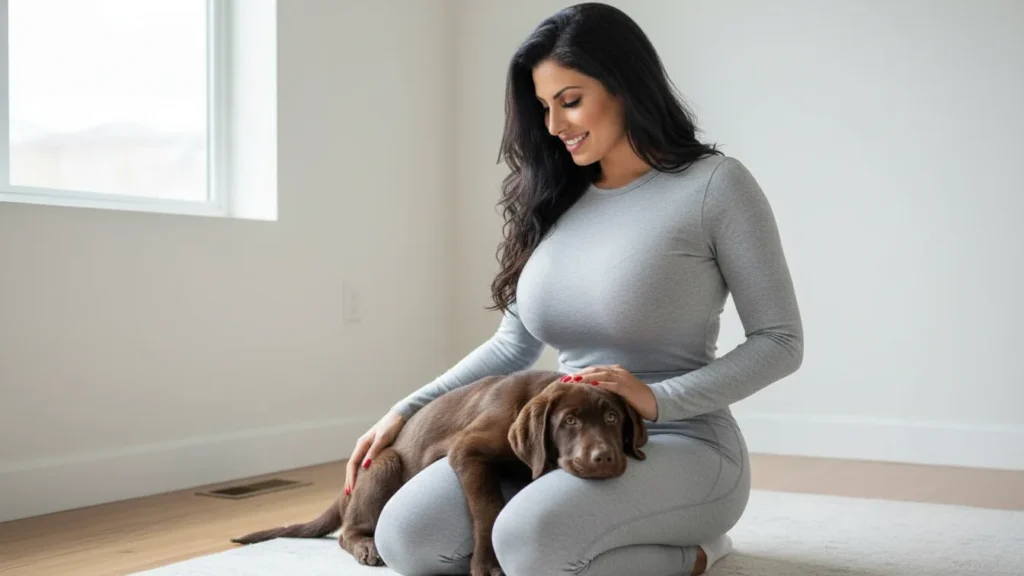
Your dog is fully recovered. The vet gave the all-clear weeks ago. Physically, everything checks out fine.
But behaviorally, something has shifted. They follow you from room to room now, something they never did before. They whine when you close the bathroom door. They wake up if you so much as shift position on the couch, immediately checking that you haven’t left. It’s as if the illness left behind an invisible thread connecting them to you that wasn’t there before.
This kind of post-illness clinginess is extremely common, and it’s not your dog being needy or “spoiled” during recovery. It’s a genuinely explainable behavioral response, rooted in real biological and psychological changes that occur during illness — changes that often persist for a while even after full physical recovery.
Illness Changes How a Dog Experiences Vulnerability
Dogs, like most animals, have an instinctive sensitivity to vulnerability — reduced physical capability tends to trigger increased caution and reliance on safety cues, historically because a weakened or sick animal in the wild would have been at greater risk. While your dog obviously isn’t facing wild predators on your living room floor, the underlying instinct doesn’t fully know that. Illness can activate a heightened need for safety and proximity to trusted figures — namely, you.
Veterinary behaviorists note that this kind of temporarily increased attachment following illness, injury, or significant physical stress is a well-recognized, generally normal behavioral pattern, not a sign of a developing disorder on its own.
What’s Actually Driving the Clinginess
1. The Body Remembers Feeling Unwell
Illness involves real physiological distress — nausea, pain, fatigue, disrupted normal function — and the nervous system doesn’t necessarily “reset” the moment lab results or physical symptoms return to normal. A period of heightened stress hormone activity during illness can leave a temporarily lower threshold for anxiety and vigilance even after the underlying medical issue has resolved, similar to how people sometimes feel unusually fragile or anxious for a period after recovering from a serious illness themselves.
2. Illness Disrupts Normal Routine and Predictability
Being sick almost always comes with disrupted patterns — different feeding schedules, restricted activity, more time confined indoors, possibly medication routines, vet visits, and changes in normal interaction with family members. Since dogs rely heavily on routine predictability for their sense of security, an extended period of disruption can leave a lingering sense of uncertainty that manifests as increased attachment-seeking once the dog is well enough to actively engage again.
3. You Became More Present During Illness — And Your Dog Noticed
During a dog’s illness, owners often naturally increase attention, monitoring, and physical closeness — checking on them more frequently, sleeping nearby, offering more comfort and reassurance. Dogs are highly responsive to changes in the amount and pattern of attention they receive, and a period of significantly increased closeness can create a new learned association: proximity to you equals safety and comfort, especially during vulnerability.
When that heightened attention naturally decreases as the dog recovers and life returns to normal, some dogs respond by increasing their own attachment-seeking behavior — the clinginess isn’t random regression, it’s often an attempt to maintain a level of closeness that felt especially safe during a genuinely vulnerable period.
4. Real Fear Around Recurrence
For illnesses involving frightening symptoms — sudden collapse, seizures, difficulty breathing, significant pain episodes — dogs may form associative memories tied to the physical sensations that preceded those events. Even without conscious understanding of “illness” the way humans experience it, a dog may become more anxious or clingy as a response to residual fear connected to how they felt physically during the acute episode, particularly if it was sudden or severe.
5. Medication and Recovery-Related Physical Sensitivity
Some medications used during treatment and recovery can independently affect mood, energy levels, and anxiety regulation as a side effect, and it’s worth discussing with your vet if new anxiety symptoms emerged around the time medication started, since this can sometimes be a contributing factor separate from the illness itself.
Why Some Dogs Show More Clinginess Than Others
- Severity and duration of illness matters. Longer, more serious, or more frightening illnesses generally correlate with more pronounced post-recovery attachment behavior than brief, mild ones.
- Baseline temperament plays a role. Dogs with a naturally more anxious or highly bonded temperament tend to show stronger post-illness clinginess than more independent dogs.
- Age matters. Senior dogs, who may already have some degree of reduced physical resilience or early cognitive changes, often show more pronounced and longer-lasting attachment shifts following illness.
- Owner response during illness matters. While there’s nothing wrong with increased attention during genuine illness (it’s appropriate and compassionate), how that attention is tapered off afterward can influence how smoothly a dog transitions back to normal independence.
What Helps
- Taper attention gradually rather than abruptly, allowing your dog’s nervous system time to adjust back to normal independence levels rather than experiencing a sudden drop in closeness.
- Reintroduce normal routine steadily, since predictable patterns help rebuild a dog’s overall sense of security following a disrupted period.
- Avoid reinforcing anxious behavior with excessive reassurance, while also not ignoring it outright; calm, brief acknowledgment paired with encouraging normal independent behavior (a settle cue, a comfortable bed nearby but not directly touching) tends to work well.
- Provide confidence-building activities — gentle enrichment, short training sessions, low-pressure exploration — to help rebuild a dog’s sense of competence and independence as they fully recover.
- Be patient with the timeline. Post-illness clinginess often fades gradually over several weeks as both physical recovery and behavioral adjustment progress together.
- Consult your vet if attachment behavior is severe, doesn’t improve over time, or is paired with other concerning symptoms, since persistent, intense clinginess can occasionally indicate an underlying issue — either a lingering medical concern or a separate anxiety disorder warranting its own attention.
The Bigger Picture
A dog who becomes more attached after being sick isn’t being difficult, dramatic, or spoiled by extra attention during recovery. They’re responding, in a very understandable way, to a period of real vulnerability, disrupted routine, and — often — a temporary but meaningful increase in the closeness and safety you provided when they needed it most.
With time, patience, and a steady return to normal rhythm, most dogs settle back into their usual level of independence. And in the meantime, a little extra closeness isn’t something to worry about — it’s simply your dog’s way of holding on to the thing that helped them feel safe while they healed.
Sources
- American Veterinary Society of Animal Behavior – Position Statements on Canine Anxiety and Attachment
- American Kennel Club – Why Is My Dog Suddenly So Clingy?
- ASPCA – Recognizing and Managing Anxiety in Recovering Dogs
- Cornell University College of Veterinary Medicine – Recovery, Stress, and Behavioral Monitoring
- Journal of Veterinary Behavior – Attachment Behavior Following Illness and Physical Stress in Dogs

Dr. Sofia Romano, DVM, is an experienced veterinarian specializing in small-animal medicine and preventive care. She has treated thousands of cases using evidence-based diagnostics and modern clinical practices. Dr. Romano is dedicated to providing science-backed pet-health guidance that helps owners make informed decisions and improve their pets’ quality of life.


Pingback: Why Dogs Develop Anxiety After Surgery — What Their Brains Experience That Owners Never See