
The bowl sits there, untouched, for the second meal in a row. Your dog who normally inhales dinner in ten seconds just sniffs it and walks away. You try something tempting — a piece of chicken, maybe — and he eats that just fine. Relief washes over you: okay, he’s just being picky.
Here’s the uncomfortable truth veterinarians want owners to know about that exact moment: it’s often not pickiness at all. As one veterinary source puts it, high-value food can sometimes override nausea through a kind of survival instinct, meaning a dog who refuses his normal food but still eats chicken may still be sick — he’s just sick enough to skip the boring stuff, not sick enough to skip everything. The refusal of the standard diet, not the willingness to eat chicken, is the actual clinical signal.
Anorexia vs. Pseudo-Anorexia: A Distinction That Changes Everything
Veterinarians split appetite loss into two genuinely different categories, and knowing which one you’re dealing with changes what to do next.
True anorexia means your dog has no interest in eating at all — the desire to eat itself is gone, usually because of nausea, pain, systemic illness, or stress.
Pseudo-anorexia means your dog is hungry and wants to eat, but physically can’t — because of mouth pain, a fractured tooth, an obstruction, or difficulty chewing or swallowing. From the outside, both look identical: an empty bowl and a dog who walks away. The difference matters because pseudo-anorexia often points toward something specific and mechanical (a dental problem, an object stuck somewhere) rather than a broader systemic illness — and your vet will want to know which pattern you’re seeing.
There’s a third, milder category worth knowing too: hyporexia, or reduced appetite that isn’t a full refusal — your dog still eats, just less enthusiastically or less completely than normal.
How Long Is Too Long?
This is the number owners most need pinned down, because “wait and see” has a real expiration date. Most healthy adult dogs can technically go three to five days without food as long as they’re still drinking water — but that’s a survival window, not a comfortable one. Veterinary guidance is considerably more conservative: if your adult dog hasn’t eaten in the past two days, even if otherwise acting normal, contact your veterinarian.
Puppies and very young dogs don’t get nearly that much leeway. Animals under six months old are particularly fragile without food, and a loss of appetite lasting even 12 hours in a very young puppy can become life-threatening quickly. Diabetic dogs of any age also need immediate attention if they skip even a single meal, since that changes their medication and blood sugar management considerably.
The Real Reasons Behind It
Digestive upset. Nausea, vomiting, diarrhea, or a simple upset stomach from dietary indiscretion (getting into something they shouldn’t have) are among the most common, least serious causes — and often resolve within a day or so on their own.
Dental pain. A fractured tooth, gum disease, or an oral injury can make the act of eating itself genuinely painful, leading to pseudo-anorexia specifically. Watch for dropping food, chewing on one side only, or pawing at the mouth.
Gastrointestinal obstruction. If your dog has eaten a toy, sock, or other foreign object, it can physically block digestion and stop appetite entirely — often alongside vomiting, lethargy, or a visibly uncomfortable abdomen. This is a same-day veterinary concern, not a wait-and-see one.
Organ dysfunction and systemic illness. Kidney failure, liver disease, and diabetic complications all cause a buildup of internal toxins that make a dog feel deeply nauseous — appetite loss here is frequently one of the earliest visible signs, sometimes before anything else seems wrong.
Pancreatitis. Inflammation of the pancreas is a common cause of appetite loss in dogs, often paired with vomiting, abdominal pain, lethargy, and sometimes fever.
Infections. Bacterial, viral, or parasitic infections can all suppress appetite as the body directs energy toward fighting illness rather than digestion.
Cancer. Tumors affecting the digestive tract specifically, or cancer anywhere in the body more broadly, can significantly reduce a dog’s desire or ability to eat.
Medications. Certain antibiotics, anti-inflammatory drugs, and treatments like chemotherapy are well-documented to cause nausea and reduced appetite as side effects.
Stress and environmental change. A new pet, a house guest, a recent move, loud noises like fireworks or thunderstorms, or a family member’s absence can all genuinely suppress a dog’s appetite temporarily, even with nothing physically wrong.
What Actually Helps
If it’s been less than 24 hours and your dog seems otherwise normal: try warming the food slightly to release more aroma, adding a splash of low-sodium chicken broth, or offering a bland diet of boiled chicken breast and plain white rice to see if interest returns. If you recently switched foods, going back to the previous one temporarily can also help rule out a simple palatability issue.
Don’t mask the problem with high-value treats indefinitely. It’s tempting to just keep offering chicken or cheese until your dog eats something, but doing this repeatedly can delay recognizing that the real issue hasn’t resolved — it’s just been temporarily outrun by a more appealing option.
Track what came before it. A recent diet change, a new household stressor, a missed meal after vigorous exercise, or a known dental issue can all help you and your vet narrow down the cause faster.
Call your vet at the 24-48 hour mark, sooner for puppies, seniors, or diabetic dogs. A veterinary exam, often alongside bloodwork, is the only reliable way to distinguish a minor stomach upset from something more serious, and your vet may recommend anti-nausea medication or an appetite stimulant like mirtazapine if the underlying cause needs a bit of extra support to resolve.
Treat any of these as an immediate, same-day concern: appetite loss paired with vomiting, diarrhea, lethargy, a swollen abdomen, difficulty breathing, pale gums, or any suspicion your dog swallowed something they shouldn’t have.
The Bottom Line
A skipped meal here and there is a normal part of being a dog. A dog who’s genuinely stopped eating, especially one who’s usually a reliable “chow hound,” is telling you something real — whether that’s a stomachache that’ll pass by tomorrow or something that needs a vet’s attention today. The chicken test isn’t proof everything’s fine. It’s often proof of exactly the opposite.
Sources
- VCA Animal Hospitals – Anorexia in Dogs
- PetMD – Why Is My Dog Not Eating? Causes and What to Do
- Vetster – Lack, Loss, and Reduced Appetite in Dogs (Dysrexia, Anorexia, and Hyporexia)
- Animal Medical Center of New York – Loss of Appetite or Anorexia
- PetPlace – Anorexia or Loss of Appetite in Dogs

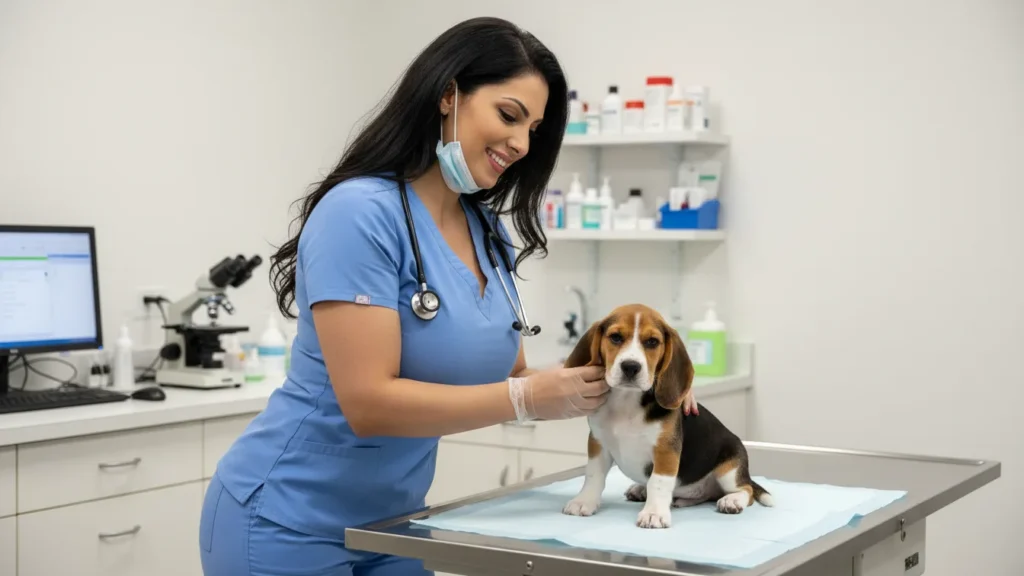
Dr. Sofia Romano, DVM, is an experienced veterinarian specializing in small-animal medicine and preventive care. She has treated thousands of cases using evidence-based diagnostics and modern clinical practices. Dr. Romano is dedicated to providing science-backed pet-health guidance that helps owners make informed decisions and improve their pets’ quality of life.




Pingback: Why Your Dog Acts Different After Grooming (The Reasons Most Owners Don’t Expect)
Pingback: Why Dogs Eat Dirt Or Mud — Is It A Nutrient Deficiency Or Something Else?
Pingback: Why Dogs Suddenly Explode With Energy At Night — The Real Science Behind Zoomies (Every Owner Should Know)
Pingback: Why Dogs Suddenly Start Digging Indoors — The Hidden Reasons Most Owners Miss
Pingback: Why Adult Dogs Still Chew Everything — The Hidden Reasons Owners Overlook
Pingback: Why Your Dog Suddenly Refuses To Eat Dry Food (Real Reasons Vets See Every Day)
Pingback: Why Dogs Lose Hair In Patches — A Vet Diagnostic Guide To The Causes Owners Miss
Pingback: The Early Signs Of Kidney Problems In Dogs — Subtle Clues Most Owners Miss
Pingback: The Early Signs Of Liver Trouble In Dogs Most Owners Overlook
Pingback: Why Dogs Refuse Their Favourite Food Suddenly — The Quiet Reasons Most Owners Misread
Pingback: Why Your Dog Is Drinking So Much Water Suddenly — What It Really Means
Pingback: Why Dogs Suddenly Sleep Much More Than Usual — What Their Bodies May Be Telling You
Pingback: Why Dogs Lick The Air Repeatedly — The Subtle Signal Your Dog Is Trying To Send
Pingback: Why Dogs Change Habits After Vaccinations — What Their Behavior Is Quietly Telling You
Pingback: Why Older Dogs Take Longer To Recover — The Quiet Aging Changes Most Owners Don’t Notice Until It Matters
Pingback: Why German Shepherds Develop Digestive Weakness Before Other Symptoms — The Early Gut Clues That Signal Deeper Health Issues