
Dogs rarely complain.
They don’t tell you when something hurts or when they feel “off.”
Instead… they speak through subtle behavior changes, tiny shifts most owners don’t notice until the condition becomes serious.
This guide reveals the 10 quiet warning signs veterinarians wish every pet parent recognized early—so your dog gets help before things escalate.
🐾 1. Sudden Behavior Changes (The First Sign Most Owners Miss)
Dogs are creatures of habit.
So when they suddenly become clingy, distant, irritable, or unusually quiet, it’s rarely “just a mood.”
Common subtle behavior changes include:
- A calm dog becoming restless
- A playful dog becoming withdrawn
- A confident dog acting anxious
- A social dog hiding or avoiding family members
Why this matters:
Behavior changes often show up days before physical symptoms in issues like infections, fever, hormonal imbalance, or digestive discomfort.
Real example:
A normally cheerful Beagle suddenly hiding under the bed for two days was later diagnosed with early pancreatitis.
🩺 2. Sleeping More Than Usual (Or at Odd Times)
Healthy dogs follow a predictable sleep rhythm.
But when they’re unwell, you’ll see:
- Longer naps
- Difficulty waking up
- Sleeping in unusual spots
- Being awake at night but sluggish during the day
Veterinary insight:
Excessive sleep is often tied to inflammation, anemia, chronic pain, or metabolic issues.
Hidden tip:
If your dog suddenly naps 2–3 extra hours a day, observe this for 48 hours. If it continues, consult a vet.
🐶 3. Subtle Appetite Changes (Not Just Eating Less)

Most people think sickness = not eating.
But dogs show quieter appetite shifts:
- Eating slower
- Leaving small portions uneaten
- Suddenly being picky
- Dropping treats they normally love
Why it’s concerning:
This could indicate dental pain, nausea, early kidney disease, or GI inflammation.
Mistake to avoid:
Don’t assume “he’s just bored of his food.” Dogs rarely become picky without a reason.
💧 4. Increased Thirst or Urination (Often Ignored Until Severe)
If you’re refilling the water bowl more frequently—or your dog starts urinating indoors—it’s a sign something is off.
Could indicate:
- Diabetes
- Kidney disease
- Urinary tract infection
- Cushing’s disease
These conditions progress silently for weeks or months.
Action step:
Track water intake for 2–3 days. If it has increased noticeably, schedule a vet visit.
🐾 5. Bad Breath That Appears Suddenly
Chronic bad breath is common…
But sudden foul odor is a red flag.
It may indicate:
- Oral infections
- Kidney failure
- Diabetes (sweet or fruity odor)
- Liver disease (metallic or rotten smell)
Why this matters:
Your dog’s mouth is connected to major organs. Oral bacteria travel through the bloodstream and damage the heart, liver, and kidneys.
🐕🦺 6. Limping or Subtle Movement Changes
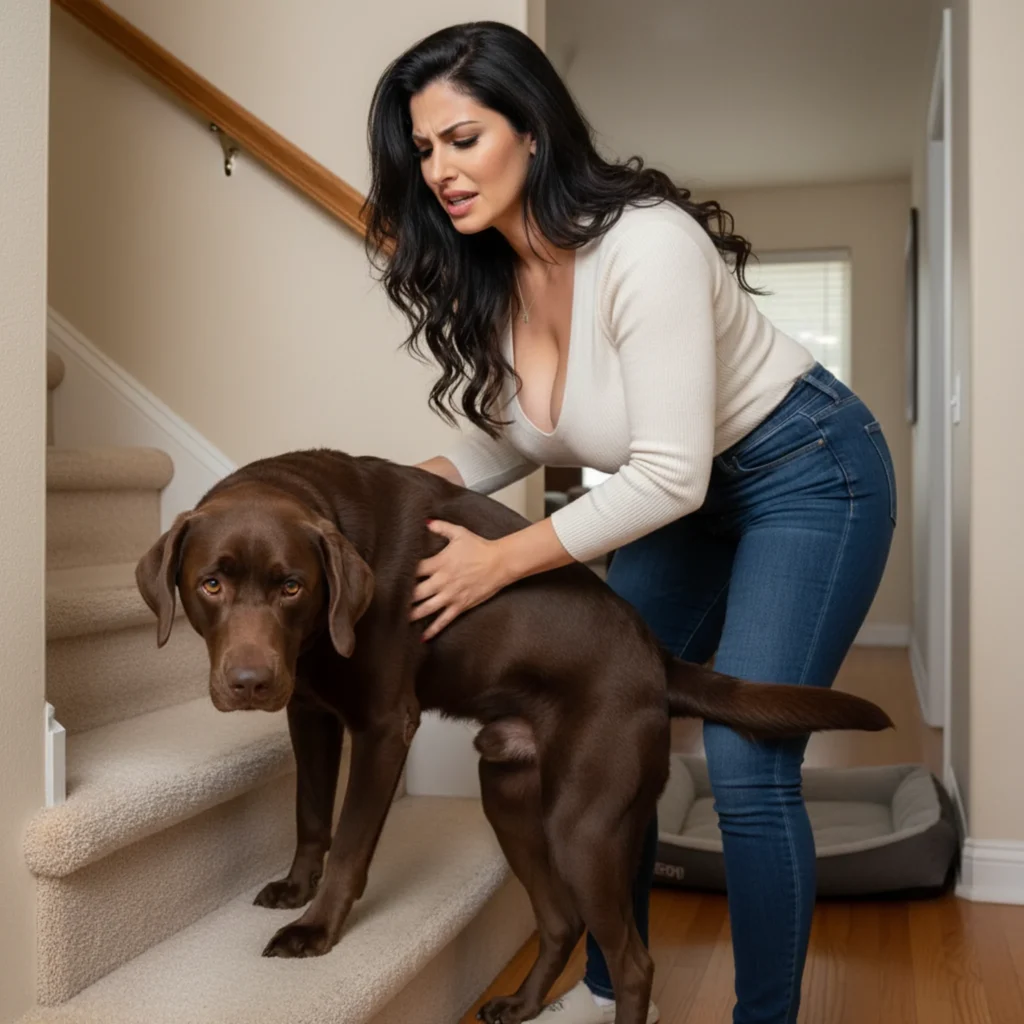
Dogs hide pain instinctively.
So instead of dramatic limping, you’ll see:
- Taking longer to get up
- Slight stiffness after naps
- Avoiding stairs
- Hesitating before jumping on the couch
- Slower tail wagging
Veterinary insight:
This is common in arthritis, ligament injuries, hip issues, or Lyme disease.
Hidden tip:
If your dog “warms up” after a few minutes, the problem is likely joint-related.
🩹 7. Minor Vomiting or Soft Stool (But More Than Once)
One random vomiting episode isn’t alarming.
But subtle, repeated digestive issues are overlooked too often:
- Soft stool 2–3 times a week
- Occasional vomiting of bile
- Gurgly stomach noises
- Eating grass excessively
Why it’s important:
These can point to chronic gastritis, food intolerance, parasites, or pancreas issues.
When to worry:
If it happens more than twice in 48 hours, or becomes a pattern.
🌡 8. A Slight Change in Body Odor or Skin Smell
Healthy dogs have a mild natural scent.
If you start noticing:
- A sour, yeasty smell
- A metallic odor
- A stronger “dog smell”
- Paw pads smelling like corn chips (excessive yeast)
Your dog may be dealing with skin infections, allergies, or hormonal imbalance.
Real example:
A Labrador developing a mild yeasty odor later tested positive for hypothyroidism.
🐾 9. Small Changes in Breathing Patterns
Not panting after exercise is normal.
But panting at rest, or:
- Louder breathing
- Snoring suddenly
- Shortness of breath
- Shallow breathing
…can signal heart issues, airway problems, pain, or anxiety.
Important reminder:
Dogs pant when they’re hot, yes—but they also pant when they’re hurting.
👀 10. Eye or Face Expression Looks “Different”
Dog owners often notice this instinctively:
“My dog just doesn’t look like himself.”
Watch for:
- Droopy or tense facial muscles
- Half-closed eyes
- Excessive blinking
- A glazed, tired look
- One eye squinting slightly
Why this matters:
Eyes reveal pain, neurological problems, dehydration, and infections early.
Vet tip:
The “sick eyes” look usually appears before vomiting, fever, or other symptoms.
📌 Quick Comparison Table: Normal vs. Silent Warning Signs
| Normal Behavior | Silent Warning Sign | Possible Concern |
|---|---|---|
| Occasional nap | Excessive, sudden sleeping | Infection, metabolic issue |
| Eating normally | Slow or picky eating | Dental pain, nausea |
| Usual thirst | Increased drinking | Diabetes, kidney issues |
| Regular odor | Sour/yeasty smell | Skin infection, allergies |
| Quiet breathing | Panting at rest | Pain, heart issues |
| Occasional vomiting | Multiple mild episodes | GI inflammation |
🧭 What to Do If You Notice These Silent Signs
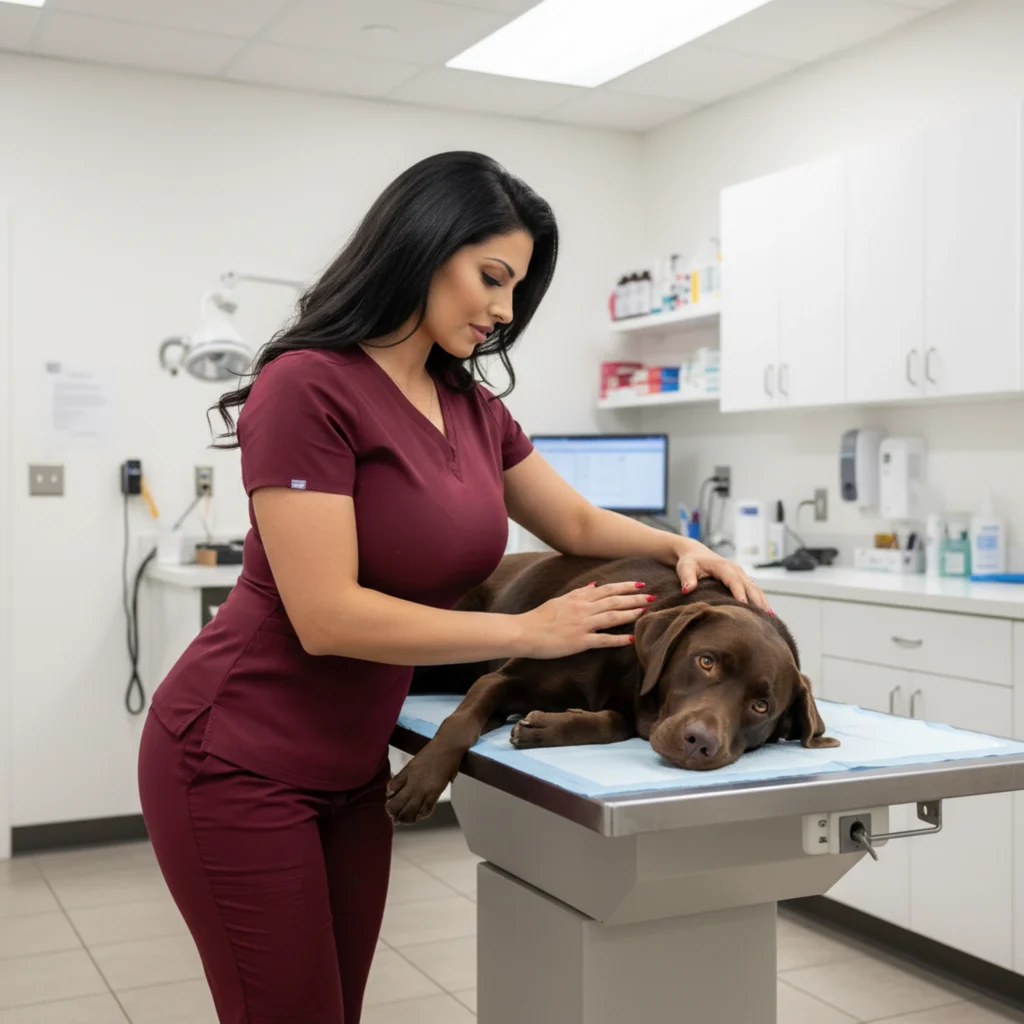
1. Observe and document for 24–48 hours
Note:
- Appetite
- Water intake
- Energy level
- Stool/Vomit
- Sleep changes
- Any unusual smells or sounds
2. Avoid self-medicating
Human painkillers and home remedies can be dangerous.
3. See a veterinarian sooner than later
Early diagnosis = simpler treatment + lower costs + better outcomes.
4. Keep preventive care updated
- Annual wellness exams
- Dental cleanings
- Blood tests for senior dogs
- Regular parasite checks
🐶 Why These Silent Signs Matter Today
Modern dogs live longer—and longer life = higher risk of chronic diseases.
The earlier you catch these subtle signals, the more years you can add to your dog’s life.
Most serious illnesses start quietly.
Your dog is speaking… just not with words.
🔑 Key Takeaways
- Dogs reveal illness through subtle behavior and physical changes.
- Small shifts in sleep, appetite, mood, or movement should not be ignored.
- Early detection often prevents severe illness.
- Observe your dog closely for patterns, not single events.
- When in doubt, a vet visit is always the safest decision.
❓ FAQ: Silent Signs of Dog Illness
1. How can I tell if my dog is sick but hiding it?
Watch for changes in routine—sleeping more, eating slower, hiding, or being unusually clingy. Dogs rarely show overt signs until pain becomes severe.
2. Should I worry if my dog vomits once?
One isolated vomit is usually harmless. Repeated vomiting, soft stools, or ongoing nausea signals a deeper issue.
3. What is the most commonly missed illness sign?
Subtle behavior changes—owners often ignore early shifts in mood, energy, and appetite.
4. Does panting always mean my dog is hot?
No. Panting can indicate pain, anxiety, heart issues, or fever.
5. When should I call a vet immediately?
If you notice rapid breathing, blood in stool or vomit, sudden collapse, or extreme lethargy.
⭐ Conclusion
Most dog illnesses whisper before they scream.
By paying attention to these quiet, early warning signs, you give your dog the greatest gift possible:
A longer, healthier, happier life.
If even one of these signs feels familiar, trust your instincts—your dog depends on you to notice what they cannot say.

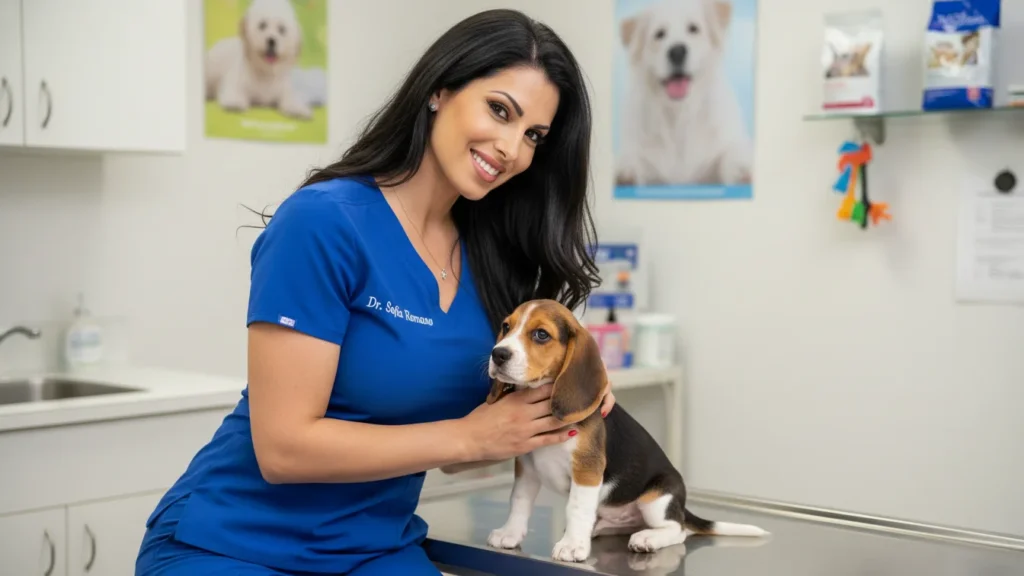
Dr. Sofia Romano, DVM, is an experienced veterinarian specializing in small-animal medicine and preventive care. She has treated thousands of cases using evidence-based diagnostics and modern clinical practices. Dr. Romano is dedicated to providing science-backed pet-health guidance that helps owners make informed decisions and improve their pets’ quality of life.



Pingback: The Hidden Reason Your Dog Vomits but Acts Completely Normal
Pingback: The Real Reason Dogs Scratch Even Without Fleas
Pingback: The Silent Signs of Heart Disease in Dogs
Pingback: The Dangerous Home Items Every Dog Owner Should Remove Immediately
Pingback: Why Your Dog Smells Bad Even After a Bath — A Vet Explains the Hidden Reasons
Pingback: What Your Dog’s Sleeping Position Says About Their Health
Pingback: The Early Signs Of Skin Allergies In Dogs — The Subtle Clues Most Owners Miss
Pingback: Why Dogs Eat Dirt Or Mud — Is It A Nutrient Deficiency Or Something Else?
Pingback: Why Dogs Suddenly Explode With Energy At Night — The Real Science Behind Zoomies (Every Owner Should Know)
Pingback: Why Dogs Prefer Certain Toys Only - The Hidden Psychology Behind Their Favourites
Pingback: Why Your Dog Suddenly Wants To Sleep Alone (The Quiet Reasons Most Owners Miss)
Pingback: Why Your Dog’s Eyes Won’t Stop Watering — Hidden Causes Most Owners Miss
Pingback: The Silent Signs Of Anxiety In Puppies Most Owners Miss (And How To Fix Them Early)
Pingback: Separation Anxiety In Dogs — The Quiet Signs Most Owners Don’t Realize They’re Missing
Pingback: Why Dogs Roll In Garbage Or Dead Animals — The Instinct Owners Don’t Expect