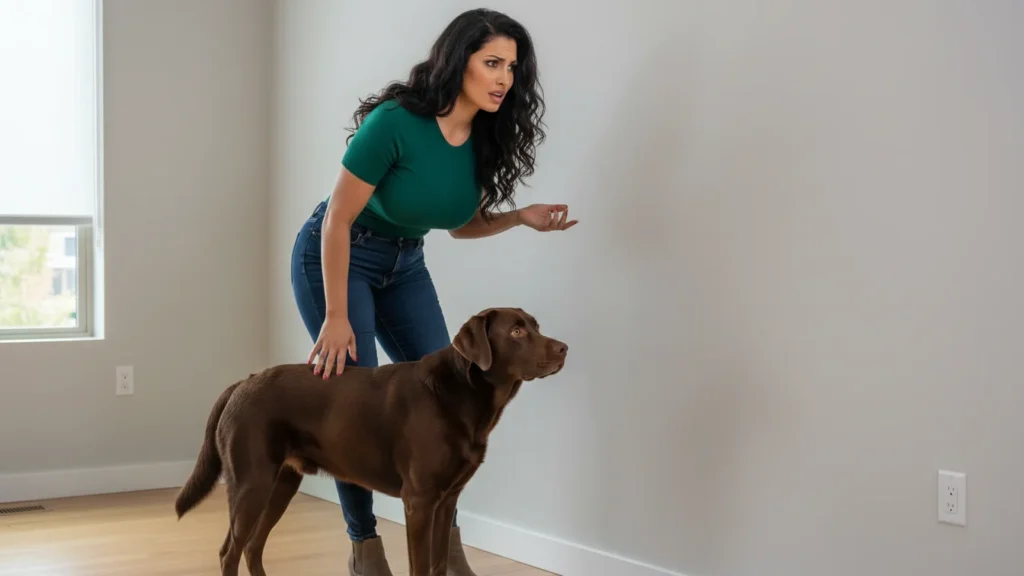
“Why Is My Dog Just… Standing There?”
It’s usually quiet when it happens.
Your dog walks into a room.
Stops.
Faces the wall — or a corner — and just stands there.
No barking.
No movement.
No obvious reason.
At first, you laugh it off.
Maybe they’re daydreaming. Maybe it’s nothing.
But then it happens again.
And again.
Veterinarians hear this concern more often than people realize — and here’s the truth:
Dogs don’t stare at walls or corners for no reason.
Sometimes it’s harmless.
Other times, it’s one of the earliest signs that something deeper is happening — emotionally, neurologically, or medically.
Understanding the difference can make all the difference.
Why Wall or Corner Staring Gets Attention in Veterinary Clinics
Dogs are visually curious, but they’re also purposeful.
When a dog repeatedly stares at a wall, corner, or empty space, vets don’t dismiss it as “quirky behavior” right away — because pattern matters.
This behavior becomes concerning when:
- It happens frequently
- The dog seems unresponsive
- It’s paired with personality or routine changes
- It appears suddenly in an adult or senior dog
Why this matters today:
- Dogs are living longer
- Cognitive and neurological issues are more commonly recognized
- Early signs are subtle — and easy to miss
What looks small on the surface can be meaningful underneath.
Normal (Harmless) Reasons Dogs May Stare at Walls
Not every case is alarming.
Some harmless explanations include:
- Listening to sounds humans can’t hear (pipes, electrical hums, rodents)
- Watching reflections or light patterns
- Momentary confusion after waking
- Brief zoning out during rest
These cases usually:
- Last seconds, not minutes
- Stop when you call their name
- Don’t repeat multiple times a day
If your dog snaps out of it easily and behaves normally otherwise, it’s usually not a concern.
Cognitive Dysfunction: “Dog Dementia” and Wall Staring
One of the most common medical causes of wall staring in older dogs is Canine Cognitive Dysfunction (CCD).
This condition is similar to dementia in humans.
Early signs include:
- Staring at walls or corners
- Getting stuck behind furniture
- Seeming lost in familiar spaces
- Altered sleep patterns
- Reduced interaction
Why wall staring happens:
The brain struggles to process spatial awareness, leaving the dog “paused” and confused.
Important insight:
Many owners mistake this for “normal aging” — but early support can significantly improve quality of life.
Neurological Causes That Require Attention
Persistent wall or corner staring can signal neurological dysfunction.
Veterinarians may investigate:
- Brain inflammation
- Tumors
- Head trauma
- Hydrocephalus
- Post-seizure disorientation
In these cases, wall staring may be accompanied by:
- Circling
- Head pressing
- Unsteady walking
- Sudden vision changes
Unlike harmless zoning out, neurological staring often looks fixed, intense, and unresponsive.
Head Pressing vs. Wall Staring: A Critical Difference
This distinction matters.
Wall Staring:
- Dog stands facing wall
- Usually passive
- May respond to voice
Head Pressing:
- Dog actively presses head against wall
- Appears distressed or disoriented
- Often linked to serious neurological conditions
If your dog presses their head forcefully against surfaces, this is not normal behavior and requires immediate veterinary evaluation.
Anxiety and Stress: When the Mind Seeks Stillness
Mental overload can also lead to wall staring.
Dogs experiencing chronic stress may:
- Withdraw from stimulation
- Seek quiet corners
- Freeze as a coping mechanism
Triggers include:
- Major routine changes
- New pets or family members
- Loud or chaotic environments
- Prolonged isolation
In these cases, wall staring is often paired with:
- Pacing
- Excessive licking
- Restlessness
- Avoidance behaviors
Stress doesn’t always look dramatic — sometimes it looks still.
Seizure Activity You Might Not Recognize
Not all seizures involve shaking.
Some dogs experience focal seizures, which can look like:
- Sudden stillness
- Blank staring
- Facing a wall or corner
- Lip smacking or blinking
These episodes may last seconds to minutes and are often followed by confusion.
Because they’re subtle, they’re frequently overlooked — yet early diagnosis can prevent progression.
🆚 Harmless vs. Concerning Wall Staring
| Feature | Harmless Behavior | Concerning Sign |
|---|---|---|
| Duration | Seconds | Minutes |
| Frequency | Occasional | Repeated daily |
| Responsiveness | Responds to name | Unresponsive |
| Other Symptoms | None | Confusion, pacing |
| Age Factor | Any age | Often seniors |
Patterns tell the story — not single moments.
Mistakes Owners Commonly Make
Well-meaning owners often:
- Ignore repeated episodes
- Assume it’s “just age”
- Delay veterinary evaluation
- Try to distract forcefully
- Punish or scold the behavior
These responses can increase stress and delay diagnosis.
Observation — not correction — is the first step.
What You Should Do If You Notice Wall Staring
Actionable, vet-approved steps:
- Record frequency and duration
- Note associated behaviors
- Check responsiveness
- Schedule a veterinary exam
- Avoid overstimulation
Bring video clips to your vet — they’re incredibly helpful.
Can Diet, Vision, or Hearing Play a Role?
Yes — indirectly.
- Vision loss can cause spatial confusion
- Hearing changes may make dogs rely on stillness
- Nutritional deficiencies can affect brain health
These factors are often evaluated alongside neurological and cognitive causes.
Why Early Recognition Makes a Difference
Many underlying causes are manageable when caught early.
Early intervention can:
- Improve mental clarity
- Reduce anxiety
- Slow cognitive decline
- Prevent injury
- Improve quality of life
Ignoring early signs often leads to progression.
Key Takeaways
- Wall or corner staring is not random
- Occasional brief episodes may be harmless
- Repeated or intense staring deserves attention
- Cognitive and neurological causes are common
- Early evaluation leads to better outcomes
Your dog isn’t “being strange.”
They’re communicating — quietly.
Frequently Asked Questions
1. Is it normal for dogs to stare at walls sometimes?
Occasionally, yes. Repeated or prolonged episodes are not considered normal.
2. Does wall staring always mean brain disease?
No. Anxiety, sensory changes, and stress can also cause it.
3. Is this behavior painful for dogs?
Not always, but some underlying causes may be uncomfortable or disorienting.
4. Should I try to stop my dog when it happens?
No. Observe calmly and note patterns instead.
5. When should I be concerned enough to see a vet?
If it’s frequent, prolonged, or paired with behavior changes, seek evaluation.
Conclusion: Stillness Can Be a Signal
Dogs speak through behavior.
When a dog repeatedly stares at walls or corners, it’s not imagination — it’s communication.
Sometimes the message is harmless.
Sometimes it’s the earliest whisper of something deeper.
Listening early gives your dog the best chance at comfort, clarity, and care.
Disclaimer: This article is for general informational purposes only and is not a substitute for professional veterinary advice. If you’re concerned, consult a qualified veterinarian.

Dr. Sofia Romano, DVM, is an experienced veterinarian specializing in small-animal medicine and preventive care. She has treated thousands of cases using evidence-based diagnostics and modern clinical practices. Dr. Romano is dedicated to providing science-backed pet-health guidance that helps owners make informed decisions and improve their pets’ quality of life.




Pingback: Why Senior Dogs Act Confused — Early Dementia Warning Signs Most Owners Miss