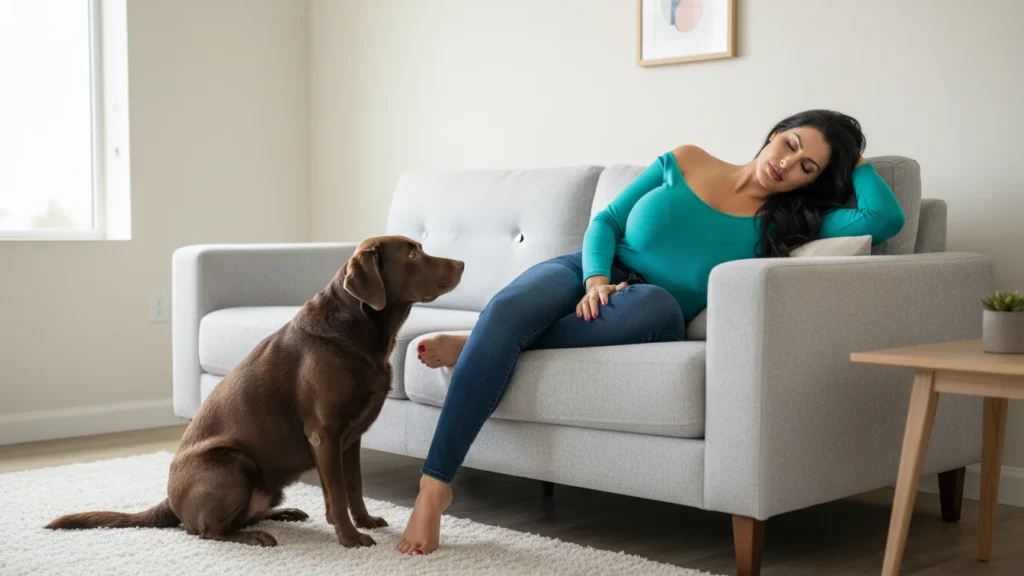
The Moment That Feels Strangely Intimate
You wake up in the middle of the night.
The room is dark.
Everything is quiet.
And then you notice it.
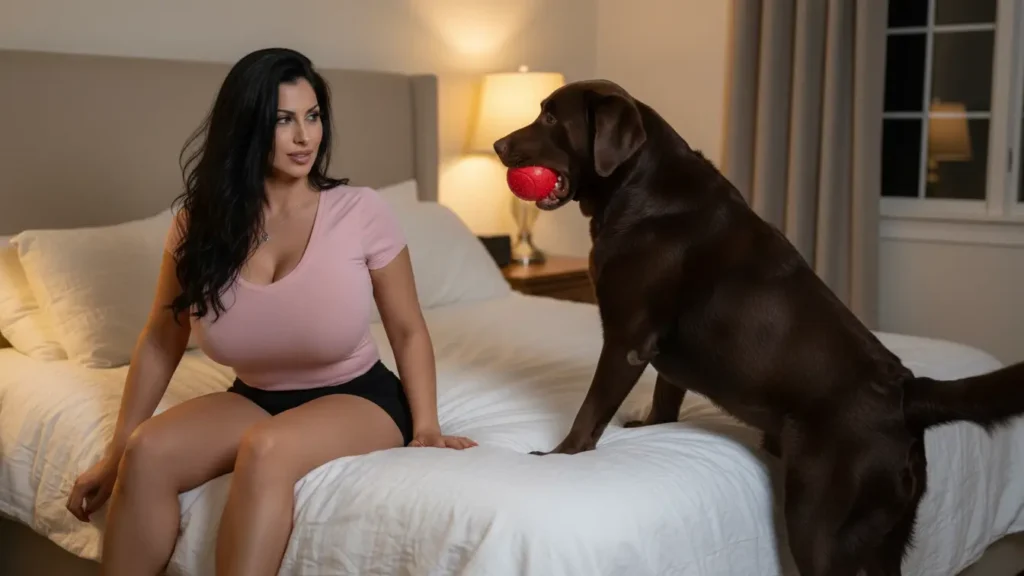
Your dog is awake—sitting, lying, or standing nearby—eyes open, watching you.
Not moving.
Not whining.
Just… watching.
For many pet parents, this moment feels tender, confusing, and sometimes a little unsettling.
Why would a dog stay awake just to watch a human sleep?
The answer isn’t spooky or obsessive.
It’s deeply biological—and deeply emotional.
First, Let’s Clear One Thing Up
Dogs are not watching you sleep because:
- They’re bored
- They’re plotting something
- They’re anxious by default
- They think something is wrong
In most cases, this behavior is healthy, instinctual, and meaningful.
To understand it, you have to step into the dog’s world—not the human one.
Dogs Experience Sleep Very Differently Than Humans
Humans sleep in long, consolidated cycles.
Dogs don’t.
Dogs:
- Sleep lightly
- Wake frequently
- Nap in short bursts
- Stay semi-alert even while resting
In nature, deep uninterrupted sleep was dangerous.
Dogs evolved to:
- Rest in shifts
- Monitor group members
- React quickly if something changed
So when you fall into deep sleep, your dog doesn’t “join you” in the same way.
They stay partially awake.
And they watch.
The Core Reason: Protective Instinct Never Turned Off
When you sleep, you are at your most vulnerable.
Your dog knows this—instinctively.
In a social species, vulnerable group members were:
- Guarded
- Watched
- Protected
When your dog watches you sleep, their brain isn’t thinking:
“I love this human.”
It’s thinking:
“This member of my group is vulnerable. I should stay alert.”
This isn’t dominance.
It’s social responsibility.
Why Dogs Choose You as the One to Watch
Dogs don’t watch everyone equally.
They usually watch:
- Their primary attachment figure
- The person who feeds them
- The one who provides emotional safety
- The one they sleep closest to
This behavior reflects bond strength, not dependency.
Watching you sleep is a form of silent caretaking.
Dogs Monitor Breathing, Movement, and Sound
Even while resting, dogs track:
- Your breathing rhythm
- Body movement
- Position changes
- Subtle sounds
This helps them determine:
- “Everything is normal”
- “Something changed”
- “I should stay alert”
This is why dogs often:
- Lift their head when you move
- Wake when you roll over
- Relax again once you settle
They’re not staring.
They’re monitoring.
Why Dogs Don’t Always Sleep at the Same Time as You
Dogs align sleep with group safety, not clocks.
When you’re awake:
- You monitor the environment
- You provide protection
- You make decisions
When you sleep:
- Your dog takes over part of that role
This is why many dogs:
- Stay awake longer than you
- Sleep near doorways
- Position themselves between you and exits
- Choose elevated spots with visibility
It’s instinct, not anxiety.
The Evolutionary Root of This Behavior
In early canine groups:
- Someone was always on watch
- Sleep was shared responsibility
- Deep sleep rotated among members
Your dog still carries this wiring.
Even though your home is safe, their brain doesn’t fully “turn off” that role.
Watching you sleep is the modern version of keeping watch by the fire.
Why Some Dogs Stare While Others Just Stay Nearby
Not all dogs express vigilance the same way.
Some:
- Sit upright and watch
- Lie with head raised
- Face toward you
- Position ears forward
Others:
- Sleep lightly nearby
- Wake at small movements
- Change position frequently
Both behaviors serve the same function.
They’re just different styles of alertness.
When Watching Turns Into Following or Hovering
Sometimes owners notice:
- Dogs waking every time they do
- Dogs following them to the bathroom at night
- Dogs repositioning when the owner moves
This isn’t always anxiety.
Often, it’s synchronization.
Dogs naturally sync their sleep-wake patterns with bonded humans.
Your movement becomes their cue.
Watchful vs Anxious: Know the Difference
| Behavior | Healthy Vigilance | Anxiety |
|---|---|---|
| Body posture | Relaxed | Tense |
| Breathing | Normal | Rapid |
| Movement | Calm monitoring | Pacing |
| Response | Settles easily | Can’t settle |
| Reaction to noise | Curious | Startled |
A calm, still dog watching you sleep is usually secure—not stressed.
Situations Where Dogs Watch More Closely
You may notice increased watchfulness when:
- You’re ill or injured
- The environment is unfamiliar
- Routine has changed
- There’s emotional stress in the home
- The dog is new to the household
- The dog is aging
Dogs respond to change and vulnerability.
Watching increases when uncertainty increases.
Real-Life Example Many Owners Share
A dog that normally sleeps deeply begins watching more closely when the owner has a fever.
The dog:
- Stays closer
- Wakes more often
- Watches breathing
This isn’t medical detection in every case.
It’s response to subtle changes:
- Body temperature
- Scent
- Breathing rhythm
- Movement patterns
Dogs notice deviations quickly.
Common Mistakes Owners Make
Some well-meaning reactions can disrupt this healthy behavior.
Avoid:
- Scolding your dog for staring
- Pushing them away repeatedly
- Interpreting it as dominance
- Assuming obsession
- Forcing them to sleep elsewhere suddenly
These actions can confuse the bond and increase insecurity.
How to Support Healthy Nighttime Behavior
1. Let Your Dog Choose Their Spot
As long as it’s safe, choice promotes calmness.
2. Maintain Predictable Bedtime Routines
Consistency tells your dog:
“Everything is normal.”
3. Avoid Sudden Nighttime Changes
Abrupt shifts in sleeping arrangements can increase vigilance.
4. Ensure Daytime Fulfillment
Mentally and emotionally satisfied dogs settle more easily at night.
5. Observe Without Overthinking
Quiet watchfulness is communication—not a problem.
Hidden Tip Most Owners Miss
Dogs often stop watching as intensely once they fully trust the environment.
New dogs watch more.
Insecure dogs watch more.
Dogs in unfamiliar places watch more.
As security increases, watchfulness softens.
This behavior often fades naturally over time.
Why This Matters Today
Modern humans sleep deeply—often isolated from awareness.
Dogs bridge that gap.
Understanding why dogs watch you sleep helps owners:
- Interpret behavior accurately
- Avoid unnecessary worry
- Respect natural instincts
- Strengthen trust instead of disrupting it
This behavior is part of what made dogs such successful companions.
Key Takeaways
- Dogs watch you sleep due to protective instincts
- This behavior reflects bonding, not anxiety
- Dogs sleep lightly and stay semi-alert by nature
- Monitoring vulnerable group members is instinctual
- Calm watchfulness is normal and healthy
- Trust and routine naturally reduce intensity over time
Frequently Asked Questions
1. Is it normal for dogs to watch their owners sleep?
Yes. It’s a common and healthy instinct in bonded dogs.
2. Does this mean my dog is anxious?
Not necessarily. Calm stillness usually indicates security, not anxiety.
3. Why does my dog wake up every time I move?
Dogs synchronize their awareness with their bonded humans.
4. Should I stop my dog from doing this?
Only if it disrupts sleep or shows signs of distress—which is uncommon.
5. When should I be concerned?
If watchfulness comes with pacing, whining, or panic-like behavior.
A Quiet Closing Thought
When your dog watches you sleep, they aren’t judging.
They aren’t worrying.
They’re simply doing what dogs have done for thousands of years:
Staying alert while someone they care about rests.
In that quiet moment, your dog isn’t just watching you.
They’re looking out for you.
Disclaimer: This article is for general educational purposes and does not replace personalized veterinary or behavioral guidance.

Dr. Sofia Romano, DVM, is an experienced veterinarian specializing in small-animal medicine and preventive care. She has treated thousands of cases using evidence-based diagnostics and modern clinical practices. Dr. Romano is dedicated to providing science-backed pet-health guidance that helps owners make informed decisions and improve their pets’ quality of life.