A Nighttime Moment Most Dog Owners Recognize
It’s late.
The house is quiet.
Lights are dim.
Nothing seems out of place.
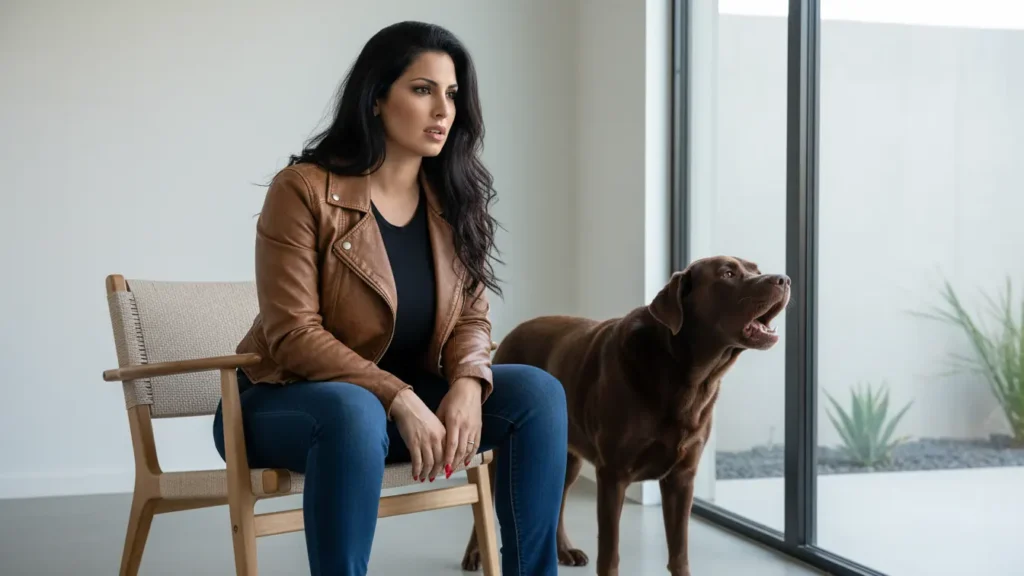
Then your dog suddenly stops.
Head up.
Ears forward.
Nose working the air.
They sniff intensely — sometimes pacing, sometimes freezing — reacting to something you can’t see, hear, or smell.
During the day, that same dog barely reacts.
At night, the reaction feels bigger. Sharper. More urgent.
This isn’t imagination.
And it’s not anxiety by default.
Dogs truly experience smells differently at night, and understanding why can completely change how you interpret their behavior.
A Dog’s Nose Doesn’t Sleep — But the World Around It Changes
Dogs rely on scent more than any other sense.
But nighttime changes the environment that scent travels through.
After dark:
- Air cools
- Wind patterns slow
- Human activity drops
- Competing smells fade
This creates what behaviorists call scent clarity.
During the day, smells are noisy — layered, disrupted, overwritten.
At night, smells linger longer, travel farther, and remain more intact.
To a dog, nighttime smells feel closer, stronger, and more meaningful.
Why Smells Travel Better at Night (In Simple Terms)
Cool air is denser than warm air.
That density allows scent molecules to:
- Stay closer to the ground
- Move in smoother trails
- Break apart more slowly
During the day, heat and movement scatter scent.
At night, scent behaves almost like a slow-moving signal.
That’s why dogs may detect:
- A person who passed hours earlier
- An animal outside the home
- Another dog several houses away
Nothing new appeared.
The scent simply became readable.
Silence Makes Smell Louder in the Brain
Dogs don’t process senses in isolation.
When sound and movement decrease, the brain reallocates attention.
At night:
- Fewer visual distractions
- Minimal noise
- Reduced human motion
The brain gives more weight to smell.
This is why dogs appear hyper-focused on scent after dark.
They aren’t “more sensitive.”
They’re less distracted.
Smell becomes the primary channel of information.
Why Nighttime Smells Trigger Stronger Emotional Reactions
Smell is directly linked to emotion and memory.
In dogs, scent processing connects closely with:
- Survival instincts
- Territorial awareness
- Threat detection
- Familiar vs unfamiliar recognition
At night, when visibility is low, scent carries higher stakes.
A smell that feels neutral during the day may feel:
- Uncertain
- Intrusive
- Important
The brain asks one question:
“What is this, and does it matter?”
That’s why dogs may grow alert, uneasy, or protective.
Common Nighttime Smell Triggers Dogs React To
Many owners assume dogs are reacting to “nothing.”
In reality, common triggers include:
- Wildlife moving after dark
- Other dogs on late walks
- Human scents drifting through open windows
- Garbage or food odors cooling and intensifying
- Changes in household scent patterns
Even familiar smells can feel new at night due to:
- Temperature shifts
- Humidity changes
- Airflow direction
Your dog isn’t confused.
They’re recalibrating.
Day vs Night: How Dogs Experience Smell Differently
| Factor | Daytime Smell | Nighttime Smell |
|---|---|---|
| Air movement | Turbulent | Stable |
| Temperature | Warmer | Cooler |
| Scent lifespan | Short | Long |
| Background noise | High | Low |
| Brain focus | Divided | Concentrated |
| Emotional impact | Mild | Stronger |
This shift explains why behaviors seem exaggerated after dark.
Why Some Dogs React More Than Others
Not all dogs respond equally.
Stronger nighttime scent reactions are common in:
- Breeds developed for scent work
- Dogs with high environmental awareness
- Dogs with protective instincts
- Dogs living in quiet neighborhoods
Dogs that are:
- Highly social
- Visually focused
- Raised in busy environments
May show fewer reactions.
This isn’t a training issue.
It’s sensory wiring.
Mistakes Owners Make When Interpreting Nighttime Smell Reactions
A common mistake is assuming:
- Anxiety
- Fear
- “Bad behavior”
And responding by:
- Scolding
- Distracting aggressively
- Forcing calm
This can increase tension.
Your dog isn’t misbehaving.
They’re gathering information.
Interrupting this process can make the environment feel less safe.
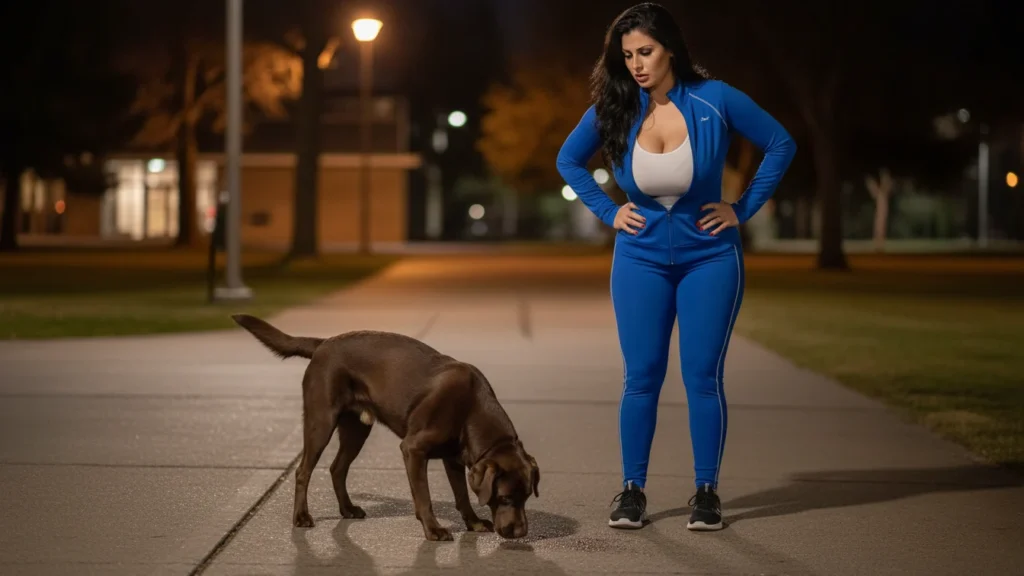
Hidden Tip: Why Dogs Often Sniff the Same Spot Repeatedly at Night
At night, scent layers are clearer.
Dogs may:
- Track where a smell came from
- Re-check for updates
- Compare intensity changes
This repeated sniffing is not obsession.
It’s data collection.
Think of it as checking notifications.
Actionable Ways to Help Your Dog Feel Safer at Night
You don’t need to stop the behavior.
You need to support it calmly.
Try this:
- Stay relaxed and still
- Avoid sudden lights or loud reassurance
- Let your dog investigate briefly
- Keep nighttime routines predictable
- Close windows if external scents cause stress
Calm human behavior tells the dog:
“You can observe without alarm.”
Why This Matters Today
Modern homes block many natural sensory cues during the day.
Nighttime becomes the only moment dogs can fully:
- Read the environment
- Update territorial awareness
- Confirm safety
Suppressing this can increase restlessness.
Understanding it builds trust.
Key Takeaways
- Dogs experience smells more clearly at night due to environmental changes
- Cooler air and silence amplify scent information
- Nighttime reactions are instinctive, not behavioral problems
- Smell carries greater emotional weight after dark
- Calm observation strengthens your dog’s sense of safety
Frequently Asked Questions
Why does my dog suddenly sniff the air at night?
Because scent clarity improves, allowing distant or old smells to become noticeable.
Is this a sign of anxiety?
Not necessarily. Alertness alone is normal sensory processing.
Should I stop my dog from sniffing at night?
No. Allow brief investigation unless distress is present.
Why doesn’t this happen during the day?
Daytime scent is disrupted by heat, movement, and noise.
Can this behavior increase with age?
Yes. Experience often sharpens environmental awareness.
A Simple, Calm Conclusion
Your dog isn’t imagining things at night.
The world truly smells different after dark.
When your dog pauses, sniffs, and listens, they’re doing exactly what evolution designed them to do — quietly reading the environment while you sleep.
Understanding this turns confusion into confidence.
And nighttime becomes calmer for both of you.
Disclaimer: This article is for general informational purposes and reflects common canine sensory behavior. Individual dogs may respond differently based on environment and temperament.

Dr. Sofia Romano, DVM, is an experienced veterinarian specializing in small-animal medicine and preventive care. She has treated thousands of cases using evidence-based diagnostics and modern clinical practices. Dr. Romano is dedicated to providing science-backed pet-health guidance that helps owners make informed decisions and improve their pets’ quality of life.