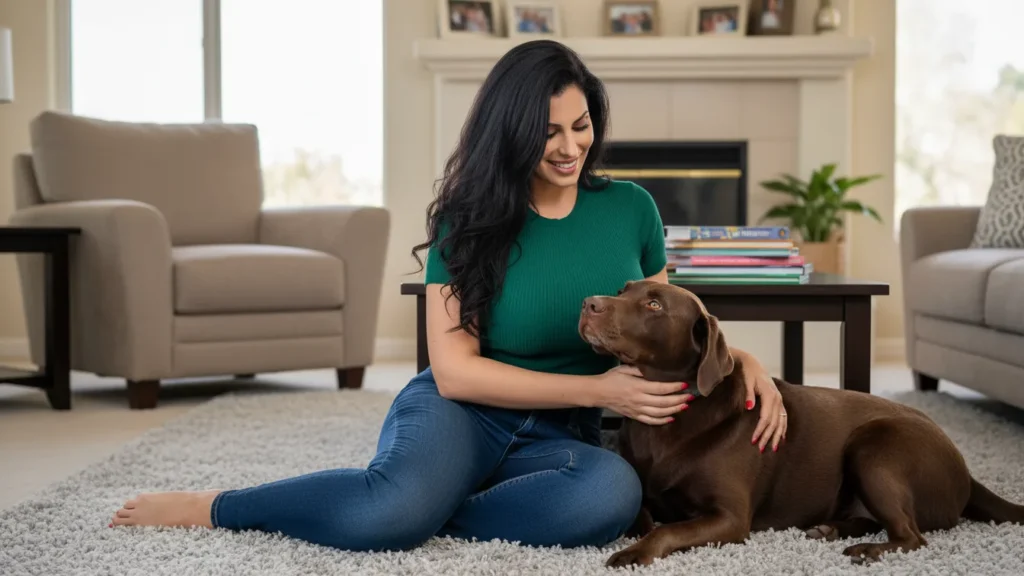
The Dog Who Waits Only for You
You come home late.
Everyone else is already there—but your dog ignores them.
They’re watching the door.
Listening for your footsteps.
When you finally enter, the reaction is explosive—whining, spinning, relief.
To some owners, this feels flattering.
To others, it feels worrying.
Because deep down, you wonder:
“Is my dog too attached to me?”
This isn’t rare.
And it isn’t accidental.
Dogs don’t randomly become overattached to one person.
There are clear psychological, emotional, and behavioral reasons behind it—and understanding them can prevent long-term stress for both of you.
What “Overattachment” in Dogs Actually Means
Overattachment isn’t the same as love or loyalty.
Healthy attachment looks like:
- Comfort with one person
- Ability to relax when others are present
- Independence when alone
Overattachment looks different:
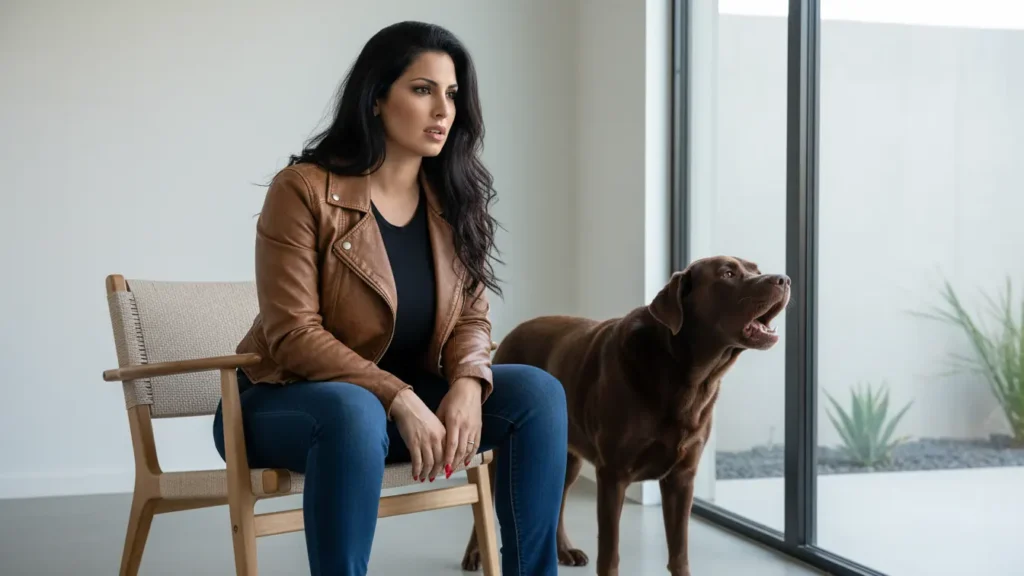
- Following one person constantly
- Distress when that person leaves
- Ignoring food, play, or others in their absence
- Anxiety-driven behaviors (whining, pacing, destructiveness)
In canine behavior science, this is often called hyper-attachment or primary attachment fixation.
It matters—because dogs don’t emotionally regulate attachment the way humans do.
Why Dogs Naturally Choose One “Safe Person”
Dogs are social mammals wired for survival through bonding.
In the wild, attachment meant:
- Protection
- Food access
- Safety
- Emotional regulation
In modern homes, dogs subconsciously ask:
“Who makes me feel safest?”
That answer shapes attachment.
Common reasons a dog chooses one person:
- That person feeds them most often
- That person walks them consistently
- That person provides calm, predictable energy
- That person responds fastest to distress
Attachment forms through patterns, not intention.
The Emotional Triggers That Deepen Overattachment
Some behaviors unintentionally strengthen one-person fixation.
These include:
- Constant soothing during mild stress
- Allowing the dog to follow everywhere
- Being the only source of comfort
- Responding immediately to anxious behaviors
To a dog, this teaches:
“I can only feel okay when you’re here.”
That’s not loyalty.
That’s emotional dependency.
Overattachment vs Healthy Bonding (Quick Comparison)
| Healthy Bond | Overattachment |
|---|---|
| Dog relaxes alone | Dog panics when alone |
| Enjoys multiple people | Ignores everyone else |
| Seeks comfort, then recovers | Needs constant reassurance |
| Curious and exploratory | Clingy and avoidant |
| Emotionally flexible | Emotionally fragile |
This distinction is critical—because many owners mislabel anxiety as affection.
Early Life Experiences That Set the Stage
A dog’s first months matter more than most owners realize.
Dogs are more likely to become overattached if they:
- Were weaned too early
- Experienced early separation trauma
- Had inconsistent caregiving
- Lacked early social exposure
According to behavioral guidance shared by the American Kennel Club, early socialization plays a key role in emotional resilience.
Dogs who miss that window often cling harder later.
Breed Traits That Influence Attachment Tendencies
Some breeds are genetically wired for closeness.
Commonly overattached breeds include:
- Labrador Retrievers
- German Shepherds
- Border Collies
- Cavalier King Charles Spaniels
- Vizslas (“Velcro dogs”)
This doesn’t mean the breed is the problem.
It means management matters more.
Why Overattachment Often Appears “Suddenly”
Many owners say:
“My dog wasn’t like this before.”
But overattachment usually builds quietly.
Triggers that accelerate it:
- A schedule change
- A move
- Illness or emotional stress in the owner
- Increased time together (work-from-home effect)
Dogs absorb emotional shifts faster than humans notice them.
The Hidden Cost of One-Person Fixation
Overattachment isn’t harmless.
Long-term effects can include:
- Separation anxiety
- Reduced confidence
- Fear-based behaviors
- Increased reactivity
- Chronic stress
Dogs need emotional flexibility—not dependence.
Common Mistakes That Make Overattachment Worse
Many loving owners accidentally reinforce the problem.
Avoid these:
- Making dramatic goodbyes
- Over-reassuring anxious behavior
- Punishing clinginess
- Becoming the only caregiver
- Avoiding controlled independence training
Calm neutrality is often more powerful than affection.
How to Gently Reduce Overattachment (Without Breaking Trust)
This isn’t about distancing emotionally.
It’s about redistributing security.
Step-by-Step Approach:
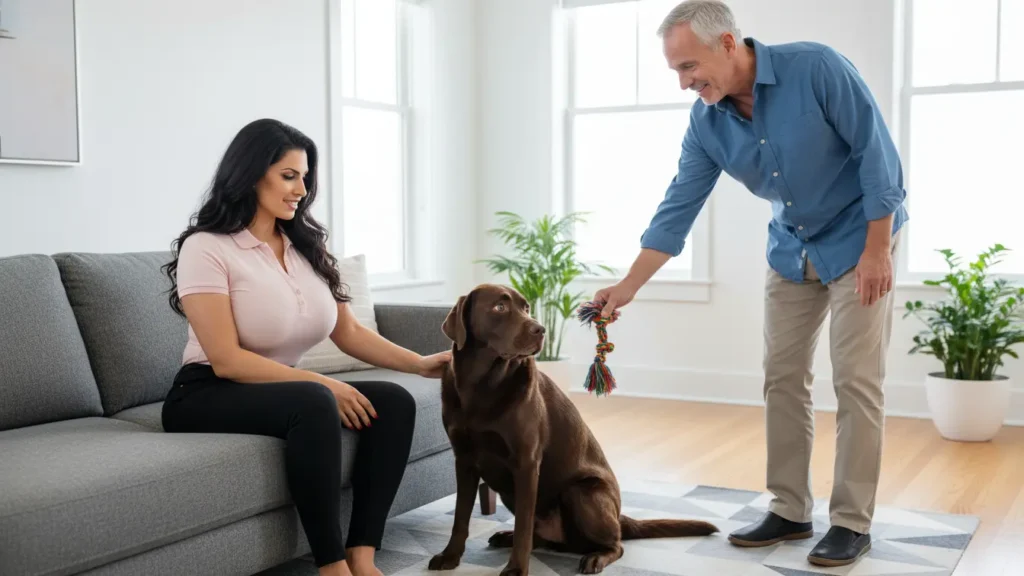
- Encourage other family members to feed and walk the dog
- Practice short, calm separations
- Reward independent behavior
- Create predictable routines
- Avoid reinforcing anxiety cues
The goal:
“I’m safe—even when you’re not here.”
Why This Matters Today (More Than Ever)
Modern dogs spend more time with humans than any generation before.
Remote work.
Smaller households.
Constant proximity.
This increases the risk of emotional imbalance—even in loving homes.
Understanding overattachment helps dogs thrive, not just cope.
Key Takeaways
- Dogs overattach due to patterns, not personality flaws
- Overattachment is rooted in emotional dependency, not love
- Early experiences, routines, and reinforcement shape behavior
- Calm independence builds confidence
- Balanced bonds protect long-term mental health
Frequently Asked Questions
1. Is overattachment the same as separation anxiety?
No. Overattachment is clingy behavior, while separation anxiety involves distress symptoms like panic, destruction, or vocalization when alone.
2. Can older dogs develop overattachment?
Yes. Older dogs can develop overattachment due to routine changes, health issues, loneliness, or increased emotional dependence.
3. Should I ignore my dog when they follow me?
No. Calmly acknowledge your dog but encourage independence gradually, so following doesn’t turn into anxiety-driven behavior.
4. Can training fix overattachment?
Yes. Consistent training, independence exercises, and routine building can reduce overattachment and promote emotional balance.
5. Does sleeping in the same room cause overattachment?
No. Sleeping in the same room doesn’t cause overattachment by itself; issues arise only if independence and confidence aren’t encouraged during the day.
A Calm, Honest Conclusion
Dogs attach deeply because they trust deeply.
Overattachment isn’t a failure of love—it’s a sign of emotional imbalance.
With awareness, patience, and small changes, dogs can learn something powerful:
They are safe.
They are secure.
Even when you’re not right beside them.
And that confidence changes everything.
Disclaimer: This article is for general educational purposes and does not replace individualized guidance from a qualified veterinary or canine behavior professional.
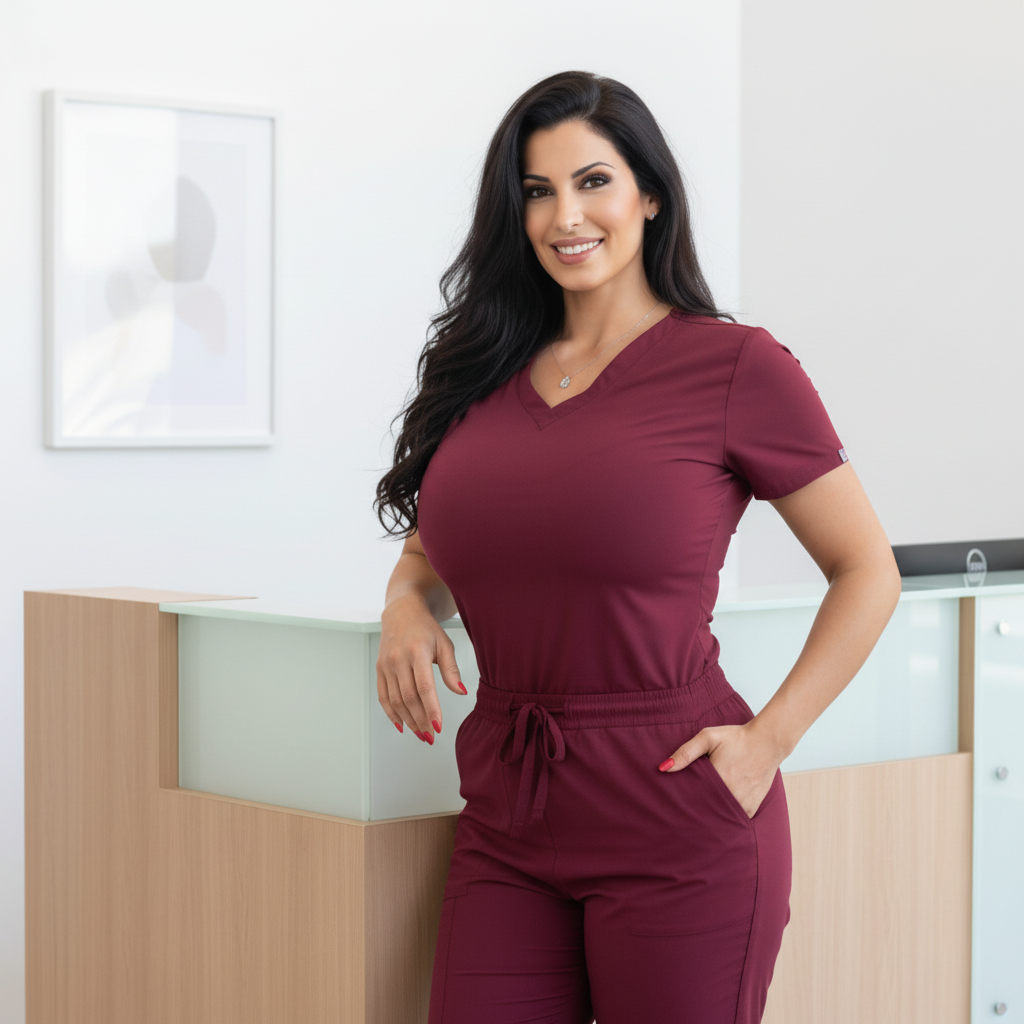
Dr. Sofia Romano, DVM, is an experienced veterinarian specializing in small-animal medicine and preventive care. She has treated thousands of cases using evidence-based diagnostics and modern clinical practices. Dr. Romano is dedicated to providing science-backed pet-health guidance that helps owners make informed decisions and improve their pets’ quality of life.




Pingback: Why Dogs Can Smell Your Stress — The Hidden Emotional Sense That Explains Their Uncanny Bond With Humans
Pingback: Why Dogs Stay Alert During Owner Phone Calls — The Subtle Signals Your Dog Is Reading Before You Notice