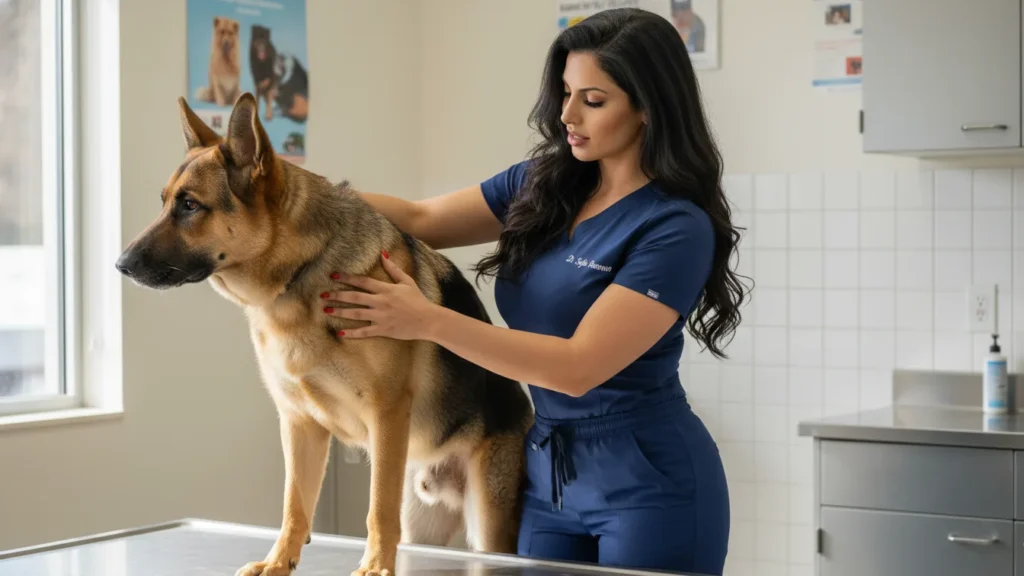
German Shepherds are known for a lot of things — intelligence, loyalty, an almost eerie ability to read a room. What they’re also known for, in veterinary circles, is having some of the most sensitive digestive systems of any large breed. Owners often notice the stomach issues first, long before anything else seems wrong, and that timing isn’t a coincidence. In German Shepherds, gut trouble is frequently the earliest visible sign that something deeper is developing.
A Breed With a Known Gut Vulnerability
German Shepherds have a well-documented predisposition to a condition called exocrine pancreatic insufficiency, or EPI. This happens when the pancreas stops producing enough of the digestive enzymes needed to break down fat, protein, and carbohydrates. Without those enzymes, food essentially passes through the dog without being properly absorbed, no matter how good the diet is.
The breed connection here isn’t anecdotal. German Shepherds account for a disproportionately large share of diagnosed EPI cases compared to other breeds, and veterinary researchers believe there’s a genetic and immune-mediated component tied to the breed’s chronic pancreatitis risk. What starts as subtle inflammation in the pancreas over months or years can eventually damage enough tissue to cause full enzyme insufficiency.
The Early Clues Owners Usually Miss
Because digestive symptoms can look like a simple sensitive stomach, many owners manage them with diet changes for months before realizing something more serious is happening. The pattern worth watching for includes:
Chronic soft stool or diarrhea that never fully resolves. Occasional loose stool is normal. A dog that seems to constantly be “almost normal” but never quite settles, despite diet changes, deserves closer attention.
Weight loss despite a normal or increased appetite. This is one of the more telling signs of EPI specifically. When enzymes aren’t breaking down nutrients properly, dogs can eat completely normal amounts and still lose weight because they aren’t absorbing what they consume.
Greasy, pale, or unusually large stool volume. Undigested fat passing through the digestive tract changes stool appearance and volume in a way that’s noticeably different from typical soft stool.
Increased gas or a rumbling stomach. This is often written off as diet sensitivity, but persistent gas alongside other symptoms can point to malabsorption rather than simple food intolerance.
Coprophagia, or eating stool. This unpleasant symptom shows up more often than people realize in dogs with malabsorption issues, since undigested nutrients in stool can make it more appealing.
Why the Gut Often Signals Trouble First
German Shepherds have a naturally sensitive gastrointestinal tract even outside of EPI, partly due to differences in gut microbiome composition that veterinary researchers have identified compared to other breeds. This baseline sensitivity means that when something starts going wrong internally, whether it’s chronic pancreatitis, inflammatory bowel disease, or an autoimmune process, the gut tends to show symptoms before other systems do.
This is also part of why German Shepherds are frequently diagnosed with inflammatory bowel disease and food-responsive enteropathies. The digestive tract essentially acts as an early warning system, reacting to internal changes well before more obvious symptoms like lethargy or weight loss become impossible to ignore.
Bloat: The Emergency Owners Need to Know
Separate from EPI, German Shepherds also carry elevated risk for gastric dilatation-volvulus, commonly known as bloat, due to their deep-chested body shape. This is a sudden, life-threatening emergency where the stomach fills with gas and can twist on itself, cutting off blood supply. Unlike EPI, bloat has no early gut-clue window; it comes on fast, typically after eating, and requires immediate emergency veterinary care. Owners of deep-chested breeds are often advised to feed smaller, more frequent meals and avoid vigorous exercise right after eating as preventive habits.
What to Actually Do
If your German Shepherd shows a pattern of chronic digestive symptoms rather than an isolated bad day, a veterinary workup is worth pursuing sooner rather than later. Diagnosis for EPI typically involves a blood test measuring trypsin-like immunoreactivity, which is simple, non-invasive, and highly accurate. The good news is that EPI, once diagnosed, is very manageable with enzyme replacement powder added to every meal, along with dietary adjustments.
The larger takeaway is this: in German Shepherds, digestive symptoms are rarely “just a sensitive stomach” when they’re persistent. The breed’s gut often reflects deeper issues before anything else does, which makes early attention to digestive patterns one of the most useful things an owner can do for long-term health.
Sources
- Cornell University College of Veterinary Medicine – Exocrine Pancreatic Insufficiency
- American College of Veterinary Internal Medicine
- American Kennel Club – German Shepherd Health
- VCA Animal Hospitals – Exocrine Pancreatic Insufficiency in Dogs
- American Veterinary Medical Association – Bloat (GDV) in Dogs

Dr. Sofia Romano, DVM, is an experienced veterinarian specializing in small-animal medicine and preventive care. She has treated thousands of cases using evidence-based diagnostics and modern clinical practices. Dr. Romano is dedicated to providing science-backed pet-health guidance that helps owners make informed decisions and improve their pets’ quality of life.






Pingback: The Muscle Loss German Shepherd Owners Often Miss — The Quiet Physical Change That Signals Deeper Health Trouble