
None of these come from neglect. They come from love, good intentions, and a genuine lack of information — which is exactly why they’re so common. Veterinarians and behaviorists see the same handful of patterns repeat across nearly every household, often without the owner ever realizing the connection between the habit and the problem it’s quietly causing.
1. Punishing a Growl
This is the one behaviorists flag most urgently. A growl is a warning — a dog’s way of saying “I’m uncomfortable, back off” before things escalate further. Correcting or punishing that growl doesn’t remove the discomfort causing it; it just teaches the dog that warning you leads to punishment. The dog doesn’t stop feeling threatened — they just stop telling you about it first. Trainers and behaviorists specifically warn that this is how dogs end up labeled as biting “without warning,” when in reality, the warning system was suppressed rather than eliminated. A growl is information. The right response is figuring out what triggered it, not silencing the messenger.
2. Eyeballing Portions Instead of Measuring Them
Obesity is one of the most common, most preventable health issues in dogs, and it usually doesn’t come from a single bad habit — it comes from small, consistent overestimations. Standard measuring cups are designed for liquid volume, not kibble density, and “eyeballing” a scoop tends to run generously over time. Studies have also found a real, consistent gap between how owners perceive their dog’s weight and what an actual veterinary assessment shows — meaning a lot of owners looking at a genuinely overweight dog simply don’t see it that way.
3. Mistaking Boredom for Bad Behavior
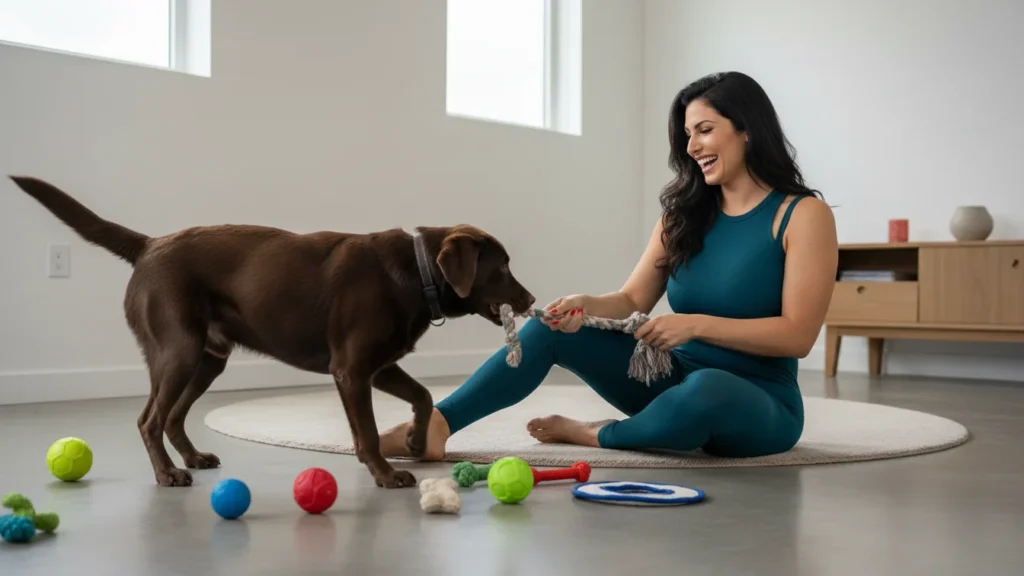
Excessive barking, destructive chewing, and digging are frequently treated as discipline problems when they’re actually a mental stimulation deficit. Physical exercise matters, but it’s not the whole picture — a dog who’s physically tired but mentally under-stimulated can still develop these exact behaviors. Puzzle toys, scent games, and structured training sessions address a genuinely different need than a walk does, and skipping that piece is a common reason “we walk him every day and he’s still destructive” scenarios happen.
4. Only Going to the Vet When Something’s Already Wrong
Preventive care — routine exams, vaccinations, and early bloodwork — catches problems while they’re still cheap and simple to treat. Waiting until a visible symptom shows up means many conditions are caught later, once they’ve already progressed. Dogs are also skilled at masking discomfort, so “he seems fine” isn’t a reliable substitute for a regular checkup, especially as dogs enter their middle and senior years.
5. Neglecting Dental Care
Dental disease is considered one of the most common clinical conditions in adult dogs, and it’s also one of the most consistently under-addressed by owners, largely because it develops quietly and doesn’t produce obvious symptoms until it’s fairly advanced. Regular brushing, dental-friendly chews, and professional cleanings aren’t cosmetic extras — untreated dental disease is linked to pain, reduced appetite, and broader inflammatory effects on the rest of the body.
6. Using the Wrong Leash and Collar Setup
Retractable leashes are a frequent source of vet-documented injuries — to dogs, owners, and bystanders alike — since they offer limited control and can cause rope burns, falls, or neck injuries if a dog bolts unexpectedly. Improperly fitted collars carry similar risk. A well-fitted collar with visible ID, paired with a standard, sturdy leash, gives meaningfully better control and safety than the setups many owners default to without much thought.
7. Waiting Until “Full Vaccination” to Start Socializing
The critical socialization window in puppies runs roughly from 3 to 14 weeks of age — and a lot of owners wait until vaccination is fully complete before exposing their puppy to new people, dogs, and environments, missing a meaningful chunk of that window in the process. Controlled, positive socialization during this specific stretch has an outsized effect on adult temperament and confidence; vets generally recommend puppy classes and carefully managed exposure during this period rather than waiting for it to close.
8. Accidentally Rewarding the Behavior You Don’t Want
This is a subtle one: a dog who gets attention specifically when they’re barking, jumping, or otherwise being “difficult,” but gets largely ignored while calmly resting or behaving well, is being taught — inadvertently — that acting out is what reliably earns attention. Certified behaviorists have pointed to this exact pattern as one of the most common, unintentional causes of persistent behavior problems: not a lack of training, but training aimed in the wrong direction without anyone noticing.
9. Using Human Shampoo or Products Not Made for Dogs
Human skin and dog skin sit at different pH levels, and a shampoo formulated for one isn’t a safe substitute for the other. Using your own shampoo on your dog can strip natural oils and irritate their skin, leading to dryness, itching, and sometimes secondary skin infections from the resulting scratching. It’s a small substitution that feels harmless in the moment but adds up as a recurring irritant.
10. Giving Too Much Freedom Too Early
Crates, gates, tethers, and long leashes get treated by some owners as restrictive or unkind, when trainers generally frame them as the opposite: management tools that prevent a young or untrained dog from repeatedly rehearsing behaviors you don’t want. A puppy given full run of the house before they’re ready doesn’t just get into trouble — they get repeated, reinforcing practice at exactly the habits you’re trying to prevent. Management isn’t a failure of training; it’s what makes consistent training actually possible in the first place.
None of these mistakes reflect poor ownership. They reflect how much of dog care runs on assumptions passed down from other owners, old training philosophies, or simple lack of exposure to the actual evidence — and every one of them is entirely fixable once it’s actually named.
Sources & Further Reading
- 8 Training Mistakes Experts Say Are Making Your Dog’s Behavior Worse — Parade Pets
- Top 6 Common Dog Parent Mistakes — PetMD
- 5 Dog Weight Gain Mistakes to Avoid — MedicAnimal
- The Most Common Mistakes Dog Owners Make — OC Canine Coaching
- 12 Common Mistakes Pet Owners Make That Vets Wish Would Stop — Clever Dude

Dr. Sofia Romano, DVM, is an experienced veterinarian specializing in small-animal medicine and preventive care. She has treated thousands of cases using evidence-based diagnostics and modern clinical practices. Dr. Romano is dedicated to providing science-backed pet-health guidance that helps owners make informed decisions and improve their pets’ quality of life.




Pingback: The Hidden Reason Your Dog Vomits but Acts Completely Normal
Pingback: Why Your Dog Won’t Sleep At Night Anymore — Vet Causes Most Owners Miss
Pingback: Why Dogs Burp Or Hiccup Frequently (What It Really Means For Their Health)
Pingback: Why Adult Dogs Still Chew Everything — The Hidden Reasons Owners Overlook
Pingback: Why Your Dog’s Eyes Won’t Stop Watering — Hidden Causes Most Owners Miss
Pingback: Why Your Dog Suddenly Wants To Sleep Alone (The Quiet Reasons Most Owners Miss)
Pingback: Why Dogs Prefer Certain Toys Only - The Hidden Psychology Behind Their Favourites
Pingback: How To Socialize A Fearful Dog Without Breaking Their Trust — What Actually Works
Pingback: Why Dogs Keep Getting Ear Infections — The Root Causes Most Treatments Miss
Pingback: The Early Signs Of Skin Allergies In Dogs — The Subtle Clues Most Owners Miss