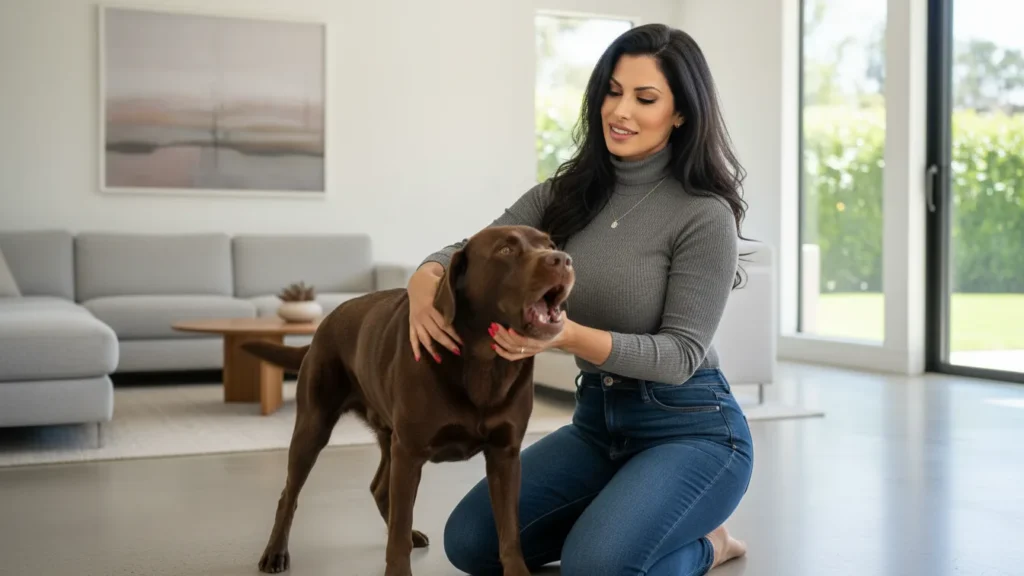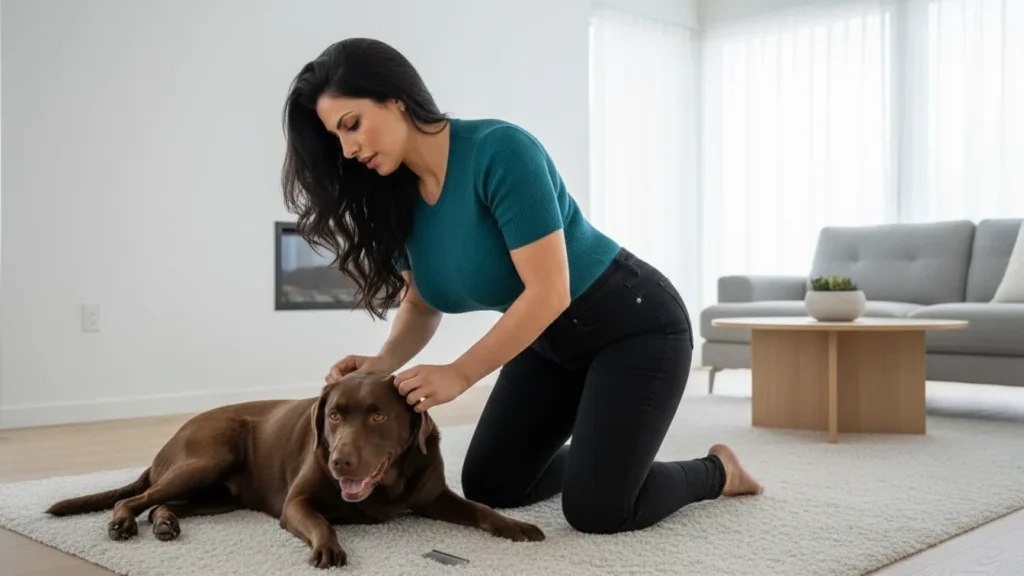
“When a Simple Nail Trim Turns Into a Standoff”
You bring out the nail clippers.
Your dog notices instantly.
Suddenly:
- They pull their paw away
- Their body stiffens
- They hide, growl, or struggle
- Or completely shut down
What should take five minutes turns into stress — for both of you.
Many owners assume:
- My dog is stubborn
- They’re being dramatic
- They’ll get used to it eventually
But here’s the truth professionals see again and again:
👉 Dogs don’t resist nail trimming out of defiance. They resist it because it feels unsafe.
Understanding why your dog won’t let you trim their nails is the key to fixing the problem — without fear, force, or broken trust.
First: Why Nail Trimming Is So Hard for Dogs
From a dog’s perspective, nail trimming combines several stress triggers at once:
- Paw handling (a vulnerable area)
- Restriction of movement
- Unfamiliar tools
- Sharp sounds or pressure
- Past negative experiences
Even calm, friendly dogs can panic when these elements combine.
This reaction is instinctive, not learned misbehavior.
Reason #1: A Past Painful Experience (Most Common)
One bad nail trim can shape a dog’s reaction for life.
Common painful experiences include:
- Cutting the quick accidentally
- Nails splitting or cracking
- Clippers squeezing instead of cutting cleanly
- Nails trimmed too short
Dogs have excellent emotional memory.
They may not remember what happened — but they remember how it felt.
Real-life example
A dog that once yelped during a trim may start resisting as soon as they see clippers again — even years later.
Reason #2: Paw Sensitivity and Vulnerability
Paws are extremely sensitive.
They contain:
- Nerve endings
- Pressure receptors
- Balance sensors
Many dogs naturally dislike having their paws held for long.
For some dogs, especially:
- Small breeds
- Rescue dogs
- Dogs with joint pain
Holding the paw alone can feel threatening.
Nail trimming adds another layer of discomfort.
Reason #3: Fear of Restraint or Loss of Control
Most nail trims require restraint.
Dogs may be:
- Held still
- Positioned unnaturally
- Restrained on slippery surfaces
To a dog, this can feel like being trapped.
Fear increases when:
- They can’t escape
- They don’t understand what’s happening
- The handler becomes tense
The more force used, the stronger the fear becomes.
Reason #4: Sound and Vibration Sensitivity
Clippers make:
- Sharp clicking sounds
- Sudden pressure changes
Grinders add:
- Vibration
- Noise
- Smell
Dogs with sound sensitivity may react strongly even before the nail is touched.
This is especially common in:
- Herding breeds
- Anxious dogs
- Dogs sensitive to grooming tools
Reason #5: Anxiety Transfer From Owners
Dogs read human emotion extremely well.
If you:
- Hesitate
- Feel nervous
- Rush the trim
- Expect a struggle
Your dog senses it.
That tension confirms their fear: “Something bad is about to happen.”
Even experienced owners unintentionally reinforce anxiety this way.
Reason #6: Physical Pain or Joint Issues
Sometimes the problem isn’t the nails — it’s the position.
Dogs with:
May resist because lifting or holding the leg hurts.
This is especially common in senior dogs.
Hidden clue
If your dog tolerates touching but reacts when the leg is lifted or bent, pain may be involved.
Reason #7: Lack of Gradual Conditioning
Many dogs are introduced to nail trimming abruptly.
No slow introduction.
No positive association.
Just restraint and cutting.
Without gradual conditioning, dogs never learn that nail trimming is safe.
Avoidance becomes the only coping strategy they know.
Nail Trim Resistance: Normal vs Concerning
| Behavior | Usually Normal | Needs Attention |
|---|---|---|
| Mild paw pulling | ✔ | |
| Occasional avoidance | ✔ | |
| Freezing or trembling | ✔ | |
| Growling or snapping | ✔ | |
| Hiding at clippers sight | ✔ | |
| Panic reactions | ✔ | |
| Sudden aggression | ✔ |
Common Mistakes Owners Make
❌ Forcing the trim “to get it over with”
❌ Holding tighter when the dog struggles
❌ Trimming too many nails at once
❌ Ignoring stress signals
❌ Punishing resistance
These actions often make future trims worse — not better.
What You Can Do Instead (Actionable, Safe Steps)
Step 1: Change the Goal
The goal is comfort, not speed.
One nail at a time is success.
Step 2: Desensitize Before You Cut
Practice:
- Touching paws without trimming
- Holding clippers nearby without cutting
- Rewarding calm behavior
Do this over days, not minutes.
Step 3: Use High-Value Rewards
Pair nail trimming with:
- Favorite treats
- Lick mats
- Calm praise
The brain learns through association.
Step 4: Adjust the Position
- Let your dog sit or lie naturally
- Avoid awkward lifting
- Trim at their comfort level
Control reduces fear.
Step 5: Choose the Right Tools
- Sharp, high-quality clippers
- Appropriate size
- Grinder if tolerated
Dull tools increase pressure and pain.
Step 6: Stop Before Stress Escalates
End the session:
- Before your dog panics
- After a small success
Ending calmly builds trust.
Professional Help Is Not a Failure
Veterinarians and professional groomers:
- Use safe handling techniques
- Spot pain-related issues
- Can help reset negative associations
In severe cases, behavioral desensitization plans work far better than repeated forced trims.
Why This Matters Today
Overgrown nails don’t just affect appearance.
They can cause:
- Joint strain
- Altered posture
- Chronic pain
- Long-term mobility issues
Helping your dog tolerate nail trims is a health investment, not just a grooming task.
Addressing fear early prevents:
- Escalating anxiety
- Grooming aggression
- Stress-related behavior changes
Key Takeaways
- Dogs resist nail trimming due to fear, not stubbornness
- One painful experience can create lasting avoidance
- Paw sensitivity and restraint increase anxiety
- Force worsens the problem long-term
- Gentle, gradual conditioning rebuilds trust
Frequently Asked Questions
1. Should I hold my dog tightly during nail trims?
No. Tight restraint increases fear and resistance.
2. Is it better to use a grinder or clippers?
It depends on the dog. Some prefer grinders, others fear the noise.
3. How often should dog nails be trimmed?
Typically every 3–6 weeks, depending on growth and activity.
4. Can anxiety medications help?
Only under professional guidance, and usually alongside training.
5. When should I stop trying at home?
If your dog shows panic, aggression, or severe fear, seek professional help.
Conclusion: Fear Isn’t Defiance — It’s Communication
When your dog won’t let you trim their nails, they’re not being difficult.
They’re communicating discomfort, fear, or past pain — the only way they know how.
Listening to that message doesn’t mean giving up.
It means changing the approach.
With patience, trust, and the right steps, nail trimming can become calm — sometimes even boring — for both of you.
That’s not just grooming success.
That’s a stronger bond.
Disclaimer: This article is for educational purposes only and does not replace professional veterinary or behavioral advice. If your dog shows severe fear or pain, consult a qualified professional.

Dr. Sofia Romano, DVM, is an experienced veterinarian specializing in small-animal medicine and preventive care. She has treated thousands of cases using evidence-based diagnostics and modern clinical practices. Dr. Romano is dedicated to providing science-backed pet-health guidance that helps owners make informed decisions and improve their pets’ quality of life.