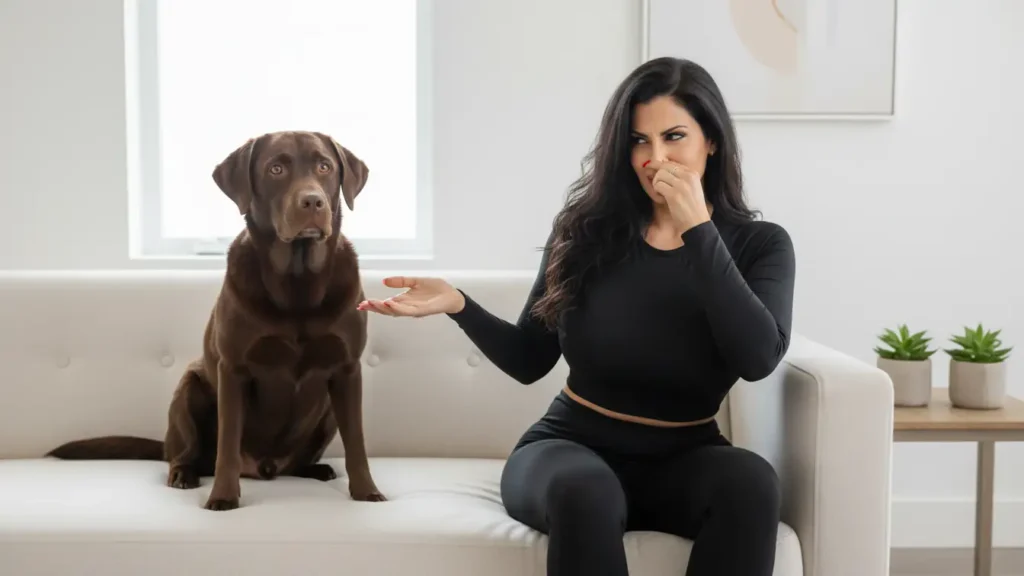
You just bathed your dog.
Used a good shampoo.
Dried them properly.
Yet…
within hours—or days—the smell is back.
If this sounds familiar, you’re not doing anything wrong.
Veterinarians hear this complaint constantly, and the answer surprises most owners:
Persistent dog odor almost never comes from dirt.
It comes from the skin, ears, mouth, or underlying health issues.
This guide breaks down why dogs can smell bad even after bathing, what that smell is really telling you, and how to fix the root cause—not just mask it.
Why Bathing Often Makes Dog Odor Worse (Not Better)
Bathing removes surface dirt—but it also strips the skin’s natural oils.
When those oils are disrupted:
- Skin dries out
- Microbial balance shifts
- Yeast and bacteria overgrow
- Odor intensifies
This is why dogs with underlying skin issues often smell worse after frequent baths.
The smell returns because the source was never removed.
Hidden Reason #1: Yeast Overgrowth on the Skin
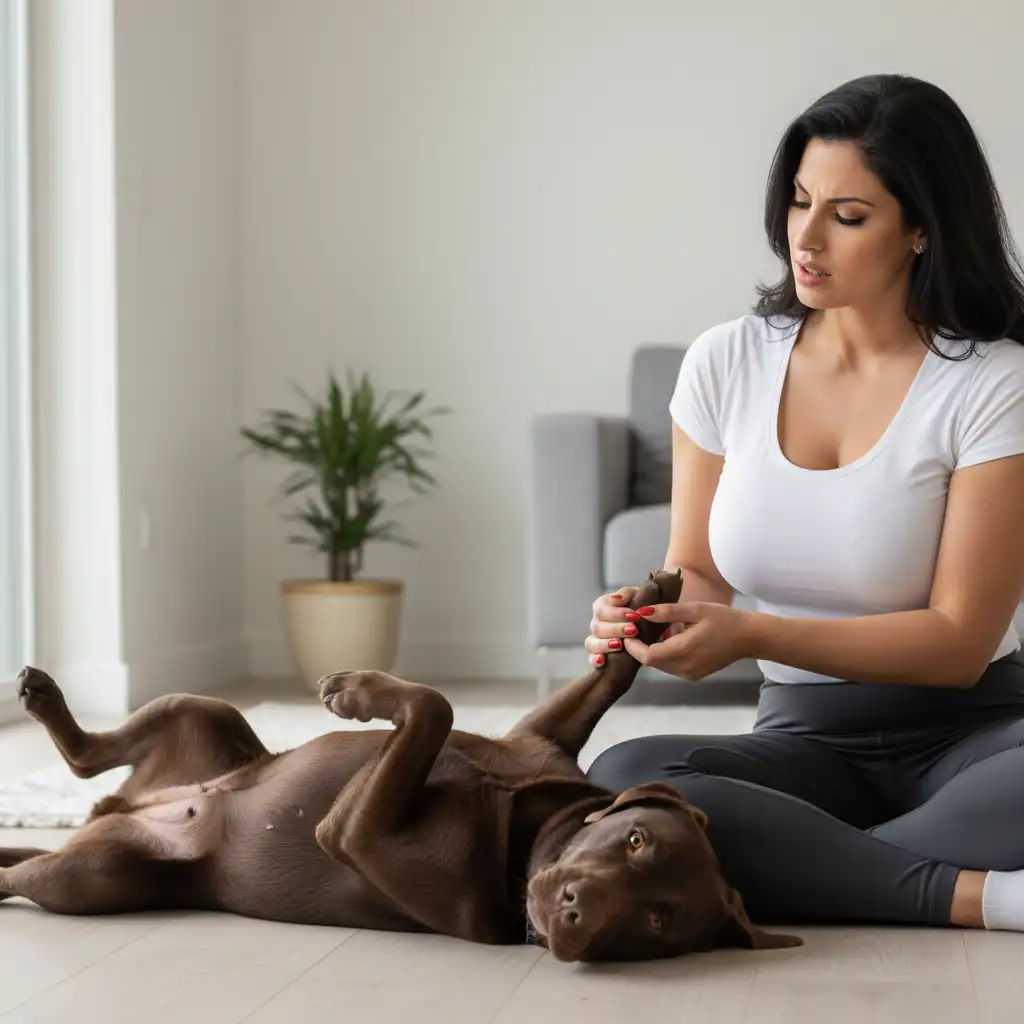
One of the most common causes of persistent dog odor is yeast infection, especially Malassezia yeast.
This smell is often described as:
- Musty
- Sour
- “Corn chips”
- Stale or greasy
Yeast thrives in:
- Moist areas
- Skin folds
- Paws
- Ears
- Under collars
Bathing without antifungal treatment won’t solve it.
Hidden Reason #2: Skin Allergies Fueling Bacterial Growth
Dogs with allergies often smell before they itch.
Allergic inflammation weakens the skin barrier, allowing bacteria to multiply.
You may notice:
- Greasy coat
- Oily residue hours after bathing
- Localized odor in certain spots
- Recurrent skin infections
The smell isn’t hygiene-related—it’s inflammation-related.
Hidden Reason #3: Ear Infections You Can’t See
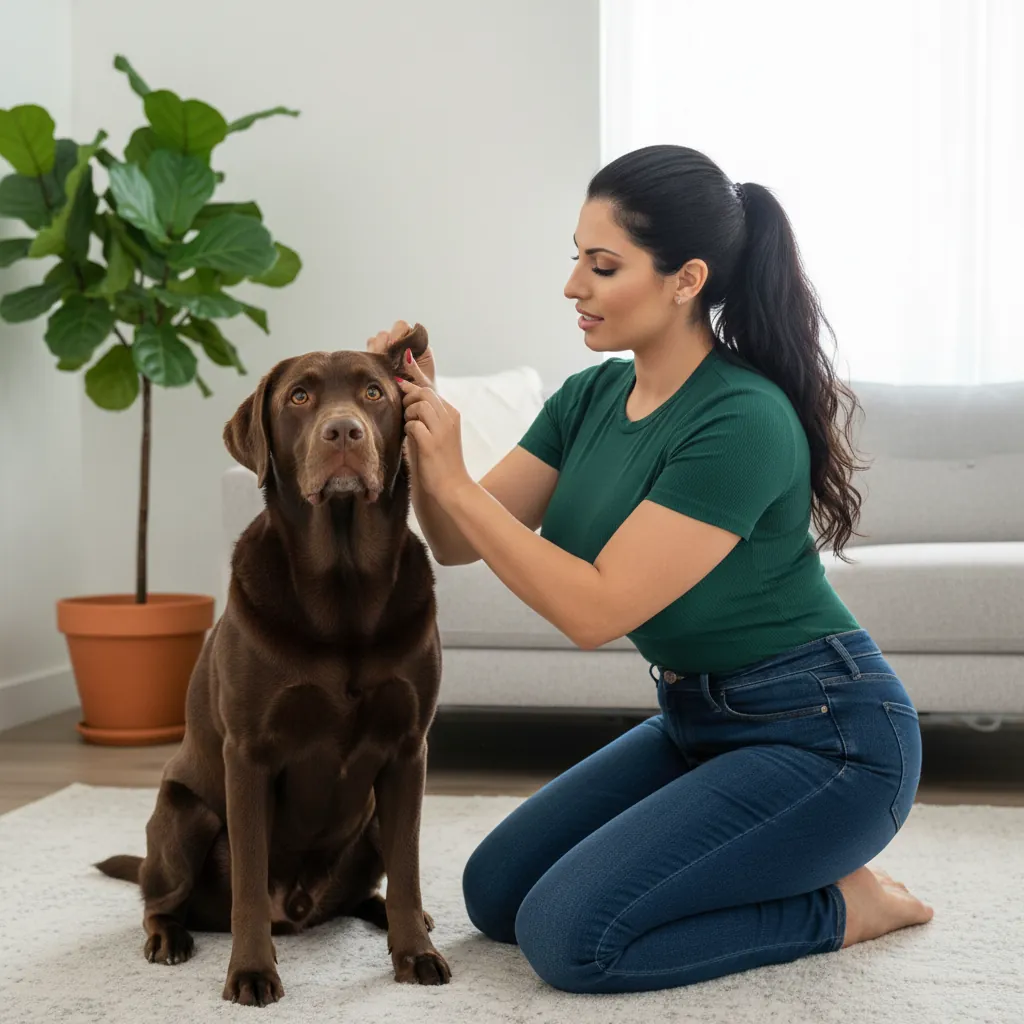
A dog can have an ear infection without obvious discharge.
Early ear infections produce:
- Sweet, sour, or metallic odor
- Mild head shaking
- Occasional scratching
- Odor strongest near the head
Bathing the body won’t touch this smell.
And water trapped in ears can make it worse.
Hidden Reason #4: Dental Disease (Yes, It Affects Body Smell)
Bad breath doesn’t stay in the mouth.
Advanced dental disease releases bacteria that:
- Enter the bloodstream
- Affect skin health
- Alter body odor
Dogs with dental issues often smell “off” even when freshly bathed.
This is especially common in small breeds and senior dogs.
Hidden Reason #5: Anal Gland Issues
A strong fishy or metallic smell that:
- Appears suddenly
- Comes back quickly
- Lingers despite bathing
…often points to anal gland problems.
Dogs may:
- Scoot
- Lick rear area
- Sit awkwardly
Bathing masks the smell temporarily—but it returns fast.
Hidden Reason #6: Poor Drying After Baths
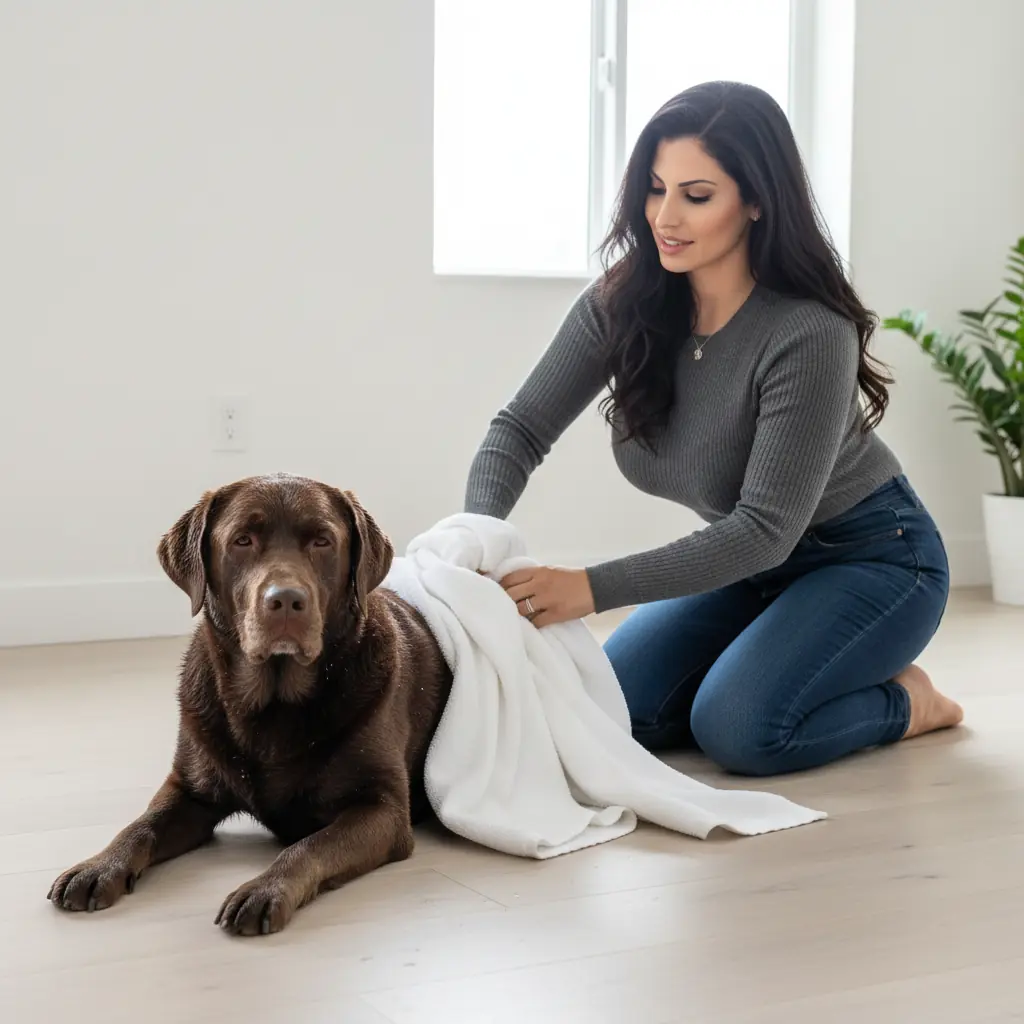
Moisture trapped in the coat creates the perfect environment for odor.
This is especially true for:
- Thick-coated dogs
- Double coats
- Skin folds
Even a clean dog can smell bad if:
- The undercoat stays damp
- Skin doesn’t fully dry
- Folds remain moist
Normal Dog Smell vs Concerning Odor
| Type of Smell | Normal | Concerning |
|---|---|---|
| Mild “dog” smell | ✔ | |
| Temporary wet smell | ✔ | |
| Sour or musty odor | ❌ | |
| Greasy smell | ❌ | |
| Fishy smell | ❌ | |
| Corn-chip paws | ❌ |
Real-Life Vet Example
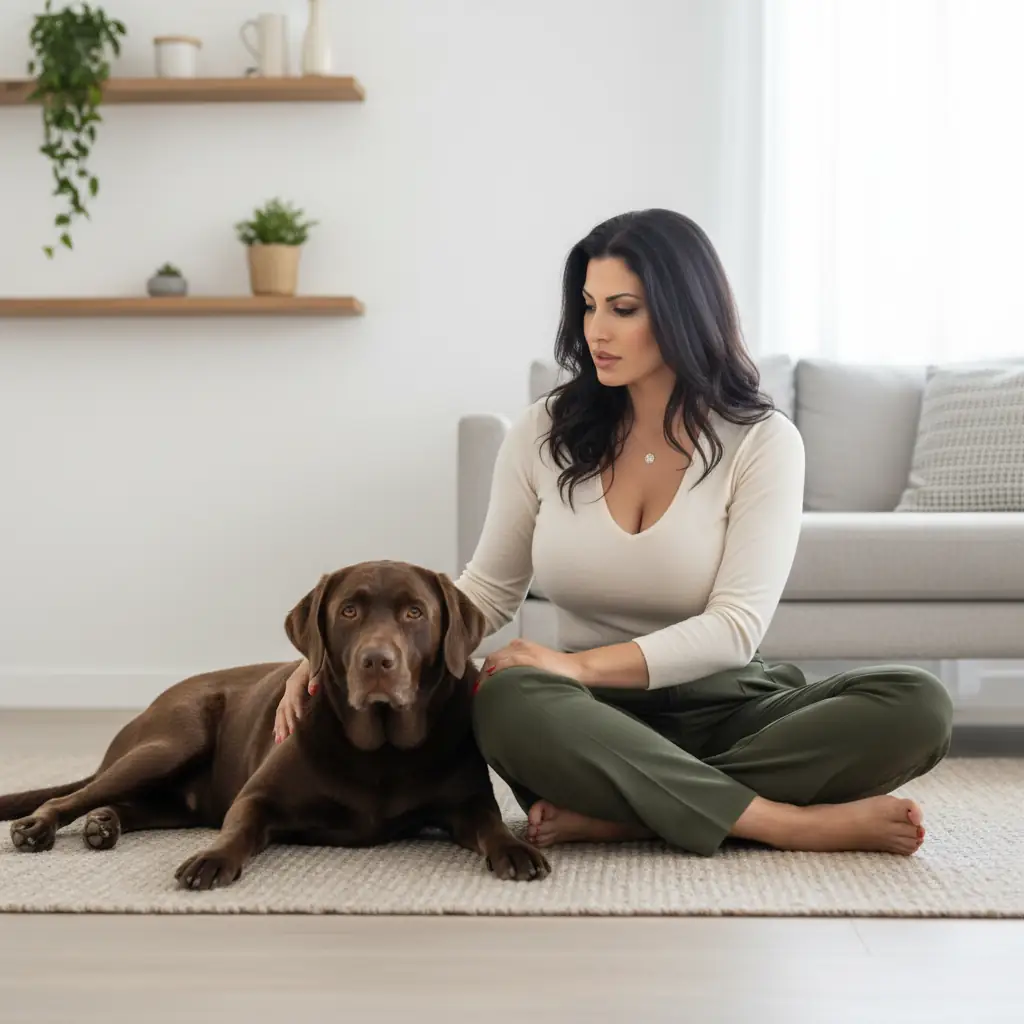
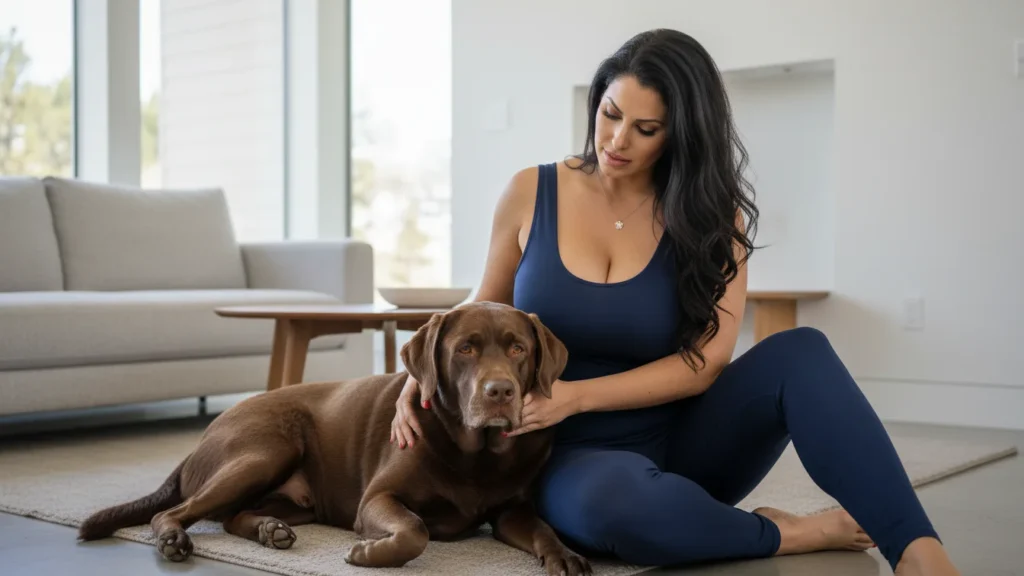
A Labrador was bathed every 7 days because of odor.
Smell kept returning.
Diagnosis:
- Skin allergies
- Secondary yeast infection
Once treated medically and bathing frequency reduced, odor resolved completely within weeks.
Bathing wasn’t the solution—it was part of the problem.
Common Mistakes Owners Make
Avoid these:
- Bathing too frequently
- Using human shampoos
- Ignoring ear checks
- Masking odor with sprays
- Treating smell as “normal dog odor”
Persistent odor is a symptom.
Actionable Steps to Fix Dog Odor at the Root
1. Identify the Smell Source
- Head → ears or mouth
- Paws → yeast or allergies
- Whole body → skin condition
- Rear → anal glands
2. Use Vet-Approved Shampoos
- Antifungal if yeast suspected
- Medicated for allergies
- Never human products
3. Dry Thoroughly
- Towel + cool dryer
- Pay attention to folds and paws
4. Check Ears and Teeth Regularly
Odor often starts there.
5. See a Vet If Odor Persists
Persistent smell = medical issue, not grooming failure.
Why This Matters Today
Modern dogs:
- Live indoors
- Are exposed to allergens year-round
- Have more skin sensitivities than ever
Ignoring odor delays diagnosis and leads to:
- Chronic infections
- Lifelong allergies
- Repeated vet visits
Early action saves money—and your dog’s comfort.
Key Takeaways
- A smelly dog after a bath is a medical clue.
- Yeast, allergies, ears, and teeth are top causes.
- Bathing alone won’t fix internal issues.
- Treat the source, not the scent.
- Persistent odor always deserves attention.
FAQ: Dog Smell After Bath
1. Is it normal for dogs to smell even after bathing?
No. Persistent odor usually indicates an underlying issue.
2. How often should I bathe my dog?
Only as needed—overbathing worsens skin problems.
3. Can food cause dog odor?
Indirectly, yes. Food allergies can trigger skin infections.
4. Why do my dog’s paws smell like corn chips?
That’s usually yeast overgrowth.
5. When should I see a vet for dog odor?
If the smell returns quickly or worsens despite grooming.
Conclusion
A bad smell isn’t just unpleasant.
It’s your dog’s skin, ears, or body asking for help.
If bathing doesn’t fix the odor, don’t bathe harder—look deeper.
Because when the cause is treated properly, the smell doesn’t come back.

Dr. Sofia Romano, DVM, is an experienced veterinarian specializing in small-animal medicine and preventive care. She has treated thousands of cases using evidence-based diagnostics and modern clinical practices. Dr. Romano is dedicated to providing science-backed pet-health guidance that helps owners make informed decisions and improve their pets’ quality of life.


Pingback: Why Dogs Hate Bath Time — Vet Psychology Explains What’s Really Going On
Pingback: Why Dogs Keep Getting Ear Infections — The Root Causes Most Treatments Miss