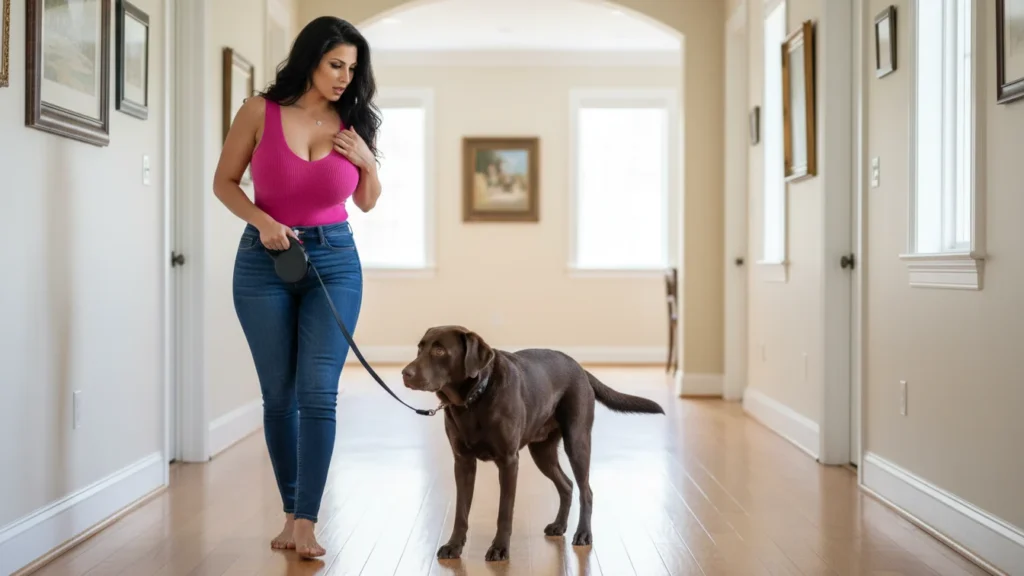
“He Looks Lost Sometimes”
It often starts quietly.
Your senior dog pauses in the hallway — unsure which way to go.
They stare at the wall for a few seconds.
They seem to forget why they walked into the room.
Most owners brush it off.
“He’s just getting old.”
But veterinarians hear this phrase frequently — often months or years after early brain changes began.
Confusion in senior dogs isn’t always normal aging.
In many cases, it’s the earliest stage of canine cognitive dysfunction, commonly compared to dementia in humans.
The earlier it’s recognized, the more you can do to slow progression and improve quality of life.
What “Confusion” Really Means in Senior Dogs
Dogs don’t forget names or conversations — but they do show confusion in other ways.
This can look like:
- Appearing lost in familiar spaces
- Staring at corners or walls
- Getting stuck behind furniture
- Wandering without purpose
- Responding slower to cues
These behaviors aren’t stubbornness.
They reflect changes in how the brain processes information.
Normal Aging vs Dementia: Why the Difference Matters
Aging affects every dog — dementia does not.
Normal aging may include:
- Slightly slower reactions
- More sleep
- Less interest in intense play
Dementia involves progressive cognitive decline, not just slowing down.
Understanding the difference helps you avoid two mistakes:
- Ignoring early dementia signs
- Panicking over normal aging changes
What Is Canine Cognitive Dysfunction (CCD)?
Canine Cognitive Dysfunction is a neurodegenerative condition affecting senior dogs.
It involves:
- Reduced blood flow to the brain
- Oxidative damage
- Protein buildup similar to human Alzheimer’s disease
Studies estimate over 30–35% of dogs over 11 years show some degree of cognitive decline — many undiagnosed.
CCD doesn’t start suddenly.
It progresses quietly.
Early Sign #1: Disorientation in Familiar Places
This is often the first noticeable change.
Dogs may:
- Stand facing the wrong side of a door
- Get stuck behind furniture
- Forget where their bed or food bowl is
- Wander aimlessly
Owners often say:
“He looks confused… but then he snaps out of it.”
Those moments matter.
Early Sign #2: Changes in Social Interaction
Senior dogs with early dementia may behave differently around people.
You might notice:
- Less excitement during greetings
- Confusion around familiar family members
- Avoidance or clinginess
- Reduced interest in affection
This isn’t emotional withdrawal — it’s difficulty processing familiar social cues.
Early Sign #3: Altered Sleep-Wake Cycle
A classic early warning sign is disrupted sleep.
Dogs may:
- Sleep more during the day
- Wander or pace at night
- Wake up confused
- Vocalize after dark
This reversal of day-night rhythm is strongly associated with cognitive decline.
Early Sign #4: Forgetting Learned Behaviors
One of the most frustrating signs for owners.
Dogs may:
- Forget house training
- Stop responding to known commands
- Seem confused during routine activities
- Appear unsure how to ask to go outside
This isn’t defiance or laziness — it’s memory processing difficulty.
Early Sign #5: Increased Anxiety or Restlessness
Cognitive decline often comes with emotional changes.
You may see:
- Pacing
- Whining without clear cause
- Restlessness
- Increased separation anxiety
Dogs become anxious because the world feels less predictable to them.
The DISHAA Framework Vets Use
Veterinarians often assess dementia using the DISHAA model:
- Disorientation
- Interaction changes
- Sleep-wake cycle disruption
- House soiling
- Activity level changes
- Anxiety
Early dementia often shows 1–2 subtle signs, not all at once.
Confusion vs Other Medical Causes
Not all confusion is dementia.
Conditions that can mimic cognitive decline include:
- Vision or hearing loss
- Arthritis-related hesitation
- Pain
- Kidney or liver disease
- Brain tumors or infections
That’s why behavioral changes should never be dismissed without evaluation.
Dementia vs Normal Aging: A Simple Comparison
| Feature | Normal Aging | Early Dementia |
|---|---|---|
| Awareness | Intact | Reduced |
| Navigation | Normal | Gets lost |
| Sleep | Slightly longer | Reversed cycle |
| Learning | Slower | Forgetful |
| Progression | Stable | Gradually worse |
Dogs at Higher Risk for Dementia
Some dogs are more vulnerable.
Higher risk factors include:
- Advanced age
- Small and medium breeds (live longer)
- Lack of mental stimulation
- Chronic illness
- Poor dental health
Risk doesn’t mean certainty — it means monitor more closely.
Common Mistakes Owners Make
These delays often worsen outcomes.
Mistakes include:
- Assuming confusion is “just age”
- Waiting for severe symptoms
- Ignoring night-time behavior changes
- Scolding accidents
- Reducing stimulation instead of adapting it
Early intervention works best before severe decline.
What You Can Do at Home (Early Stage Support)
While dementia isn’t curable, early support makes a real difference.
Helpful strategies include:
- Keeping routines consistent
- Avoiding furniture rearrangement
- Using night lights
- Gentle mental enrichment
- Short, positive interactions
- Calm reassurance during confusion
Small adjustments significantly reduce anxiety.
Why This Matters Today
Dogs are living longer than ever.
Longer life brings new responsibilities:
- Managing cognitive health
- Preserving dignity
- Supporting comfort and confidence
Early recognition allows dogs to age with less fear and more stability.
And that benefits both dogs and the people who love them.
Key Takeaways
- Confusion in senior dogs isn’t always normal aging
- Dementia begins subtly and progresses gradually
- Early signs are behavioral, not physical
- Nighttime changes are a major clue
- Early support improves quality of life
Frequently Asked Questions
1. At what age do dogs develop dementia?
Most cases appear after 8–10 years, depending on breed and size.
2. Can dementia in dogs be cured?
No, but early management can slow progression and reduce distress.
3. Is night-time pacing a strong sign?
Yes. Sleep-wake disruption is a classic early indicator.
4. Should I correct accidents caused by confusion?
No. Correction increases anxiety and confusion.
5. Do all senior dogs get dementia?
No. Many dogs age normally without cognitive decline.
Conclusion
When senior dogs act confused, they’re not being difficult — they’re adapting to a changing brain.
Those small moments of disorientation are meaningful signals, not inconveniences.
Recognizing them early gives you the power to respond with patience, structure, and care — helping your dog feel safer in a world that’s becoming harder to understand.
Disclaimer
This article is for general educational purposes only and does not replace professional veterinary advice. Consult a qualified veterinarian if you notice persistent behavioral changes in your dog.

Dr. Sofia Romano, DVM, is an experienced veterinarian specializing in small-animal medicine and preventive care. She has treated thousands of cases using evidence-based diagnostics and modern clinical practices. Dr. Romano is dedicated to providing science-backed pet-health guidance that helps owners make informed decisions and improve their pets’ quality of life.




Pingback: Why Your Dog Stares At The Wall Or Corner — A Vet Explains What It Could Really Mean
Pingback: Why Your Dog’s Nose Is Dry — Myths Vs Real Vet Causes You Should Know
Pingback: Why Dogs Prefer Cold Floors Over Beds — What Their Body Is Really Telling You
Pingback: Why Dogs Hate Their Crate Suddenly — The Hidden Reason This Safe Space Stops Feeling Safe
Pingback: Why Dogs Can Sense Illness Before Symptoms Appear — The Quiet Superpower Hiding In Plain Sight
Pingback: Why Some Illnesses Make Dogs Age Faster — The Silent Biological Shift Many Owners Miss
Pingback: Why Senior Dogs Get Stuck Behind Furniture — The Hidden Changes Most Owners Don’t Notice Until It Happens
Pingback: Why Dogs Develop Sudden Phobias With Age — The Hidden Brain, Body, And Emotional Changes Most Owners Never Expect
Pingback: Why Dogs Lose Muscle Even When Eating Normally — The Hidden Causes Most Owners Overlook
Pingback: Why Older Dogs Vocalize More Than Before — The Quiet Reasons Behind The Sudden Noise
Pingback: Why Dogs Pace The House Repeatedly — The Quiet Signal Something Isn’t Settled Inside
Pingback: Why Dogs Suddenly Stop Playing — The Quiet Shift In Mood, Body, Or Mind Most Owners Miss
Pingback: Why Your Dog Suddenly Becomes Clingy — A Vet Explains The Triggers Most Owners Miss
Pingback: Why Dogs Suddenly Become Aggressive At Home — A Vet Explains The Hidden Triggers Most Owners Miss
Pingback: Why Older Dogs Suddenly Forget Training — The Quiet Brain Changes Most Owners Don’t See Coming
Pingback: Why Dogs Become Guarded With Age — The Subtle Behavioral Shift Most Owners Misread
Pingback: Why Dogs React To New Furniture — The Invisible Changes Their Senses Can’t Ignore