The Subtle Shift Many Owners Feel but Can’t Explain
Your dog’s heat cycle ends.
The bleeding stops.
The male dogs lose interest.
Life appears normal again.
But something feels… different.
She’s calmer—or more restless.
More attached—or strangely distant.
Less playful. More sensitive.
Sometimes clingy. Sometimes withdrawn.
Nothing is wrong exactly—but she’s not quite the same.
If this sounds familiar, you’re not imagining it.
Female dogs often behave differently after heat cycles because their brains and hormones don’t “reset” overnight.
The changes are real, biological, and—most importantly—usually normal.
Heat Cycles Don’t End When the Signs Disappear
From the outside, heat looks short.
From the inside, it’s anything but.
A female dog’s reproductive cycle triggers weeks of hormonal shifts that continue long after visible signs fade.
Even after heat ends, her body remains influenced by:
- Progesterone dominance
- Hormonal withdrawal effects
- Brain chemistry recalibration
- Emotional and sensory sensitivity
Think of heat as a process, not an event.
Behavior changes are part of the aftermath.
Progesterone: The Hormone That Changes Behavior
After heat, oestrogen drops and progesterone rises.
Progesterone isn’t just a reproductive hormone—it affects the brain directly.
It influences:
- Emotional regulation
- Stress tolerance
- Attachment behavior
- Sleep patterns
In many dogs, progesterone creates a calmer, slower, more introspective state.
In others, it triggers anxiety, restlessness, or emotional vulnerability.
Same hormone.
Different nervous systems.
Why Some Female Dogs Become Clingy After Heat
Many owners notice increased attachment.
Following owners more closely.
Seeking physical contact.
Sleeping nearer than usual.
This isn’t “spoiling” or dependency.
Progesterone interacts with oxytocin pathways, strengthening bonding behavior. From an evolutionary perspective, this supports nesting and caregiving instincts.
Your dog isn’t regressing.
She’s responding to biology.
Why Others Become Distant or Irritable
Not all dogs react the same way.
Some female dogs show:
- Reduced tolerance for handling
- Less interest in play
- Mild irritability
- Increased need for personal space
Hormonal shifts lower stress thresholds. Sensations that were previously neutral—touch, noise, activity—may feel overwhelming.
This doesn’t mean aggression.
It means temporary sensory sensitivity.
The Role of False Pregnancy (Even Without Puppies)
Many intact female dogs experience a false pregnancy after heat—even if signs are subtle.
This can include:
- Nesting behaviors
- Guarding toys or spaces
- Mood swings
- Reduced appetite or increased appetite
- Seeking quiet, enclosed areas
False pregnancy isn’t a disorder—it’s a biological possibility built into canine reproduction.
Behavioral changes often peak 2–6 weeks after heat, catching owners off guard.
Brain Chemistry Needs Time to Rebalance
Hormones directly affect neurotransmitters like serotonin and dopamine.
After heat, these systems recalibrate slowly.
During this adjustment phase, dogs may seem:
- Less emotionally stable
- Easily startled
- More reactive to routine changes
- Less motivated by rewards
This phase passes—but patience matters.
Common Behavior Changes After Heat Cycles
Owners often report:
- Personality shifts
- Reduced energy
- Increased sleeping
- New sensitivity to sounds
- Changes in appetite
- Altered social tolerance
None of these automatically signal a problem.
Context, duration, and intensity matter far more than the behavior itself.
Normal Post-Heat Behavior vs When to Pay Attention
| Change Observed | Usually Normal | Needs Attention |
|---|---|---|
| Temporary clinginess | ✅ | |
| Mild mood shifts | ✅ | |
| Reduced playfulness | ✅ | |
| Extreme anxiety | ⚠️ | |
| Aggression escalation | ⚠️ | |
| Prolonged lethargy | ⚠️ | |
| Sudden behavior regression | ⚠️ |
Most post-heat changes stabilize within weeks.
Why This Matters Today
Many owners assume heat cycles are only about reproduction.
They’re not.
They influence mood, learning, bonding, and emotional resilience.
When behavior changes are misunderstood, dogs are often mislabeled as “difficult,” “moody,” or “stubborn.”
Understanding biology prevents unnecessary stress—for both dog and human.
Mistakes Owners Accidentally Make After Heat
Common missteps include:
- Forcing normal activity levels too soon
- Ignoring emotional needs
- Punishing clingy or withdrawn behavior
- Changing routines abruptly
- Expecting immediate behavioral “normalcy”
Recovery is internal, not visible.
What Actually Helps a Female Dog After Heat
Support doesn’t require intervention—just awareness.
Helpful steps include:
- Maintaining consistent routines
- Allowing extra rest
- Respecting personal space
- Keeping stimulation balanced
- Staying emotionally calm
Predictability is grounding during hormonal transitions.
A Real-Life Example Many Owners Recognize
A normally playful dog becomes quiet and shadowy after heat.
No illness.
No injury.
Just a dog whose hormones are shifting.
Two weeks later, energy returns. Confidence stabilizes. Personality re-emerges.
The change wasn’t permanent.
It was transitional.
Hidden Tip Most Owners Miss
Behavior after heat often reflects the dog’s emotional baseline—not the heat itself.
Calm dogs become calmer.
Sensitive dogs become more sensitive.
Heat amplifies what already exists.
Key Takeaways
- Female dogs often act differently after heat due to hormone shifts
- Progesterone strongly affects mood and behavior
- Clinginess, calmness, or sensitivity are common and normal
- False pregnancy behaviors may appear weeks later
- Patience and routine support healthy adjustment
FAQs
1. How long do behavior changes last after heat?
Typically a few weeks, depending on the dog and hormone response.
2. Is it normal for my dog to be less playful after heat?
Yes. Energy and motivation often dip temporarily.
3. Can heat cycles permanently change personality?
Usually no. Most changes are temporary and reversible.
4. Should I correct unwanted behavior after heat?
Gentle guidance works better than punishment during hormonal transitions.
5. Do all female dogs experience post-heat behavior changes?
No—but many experience subtle emotional or behavioral shifts.
A Calm Way to Look at It
After heat, your dog isn’t broken.
She’s recalibrating.
When you give her time, stability, and understanding, her nervous system finds its balance again—often stronger, calmer, and more connected than before.
Disclaimer: This article is for general educational purposes only and does not replace personalized advice for individual pets.

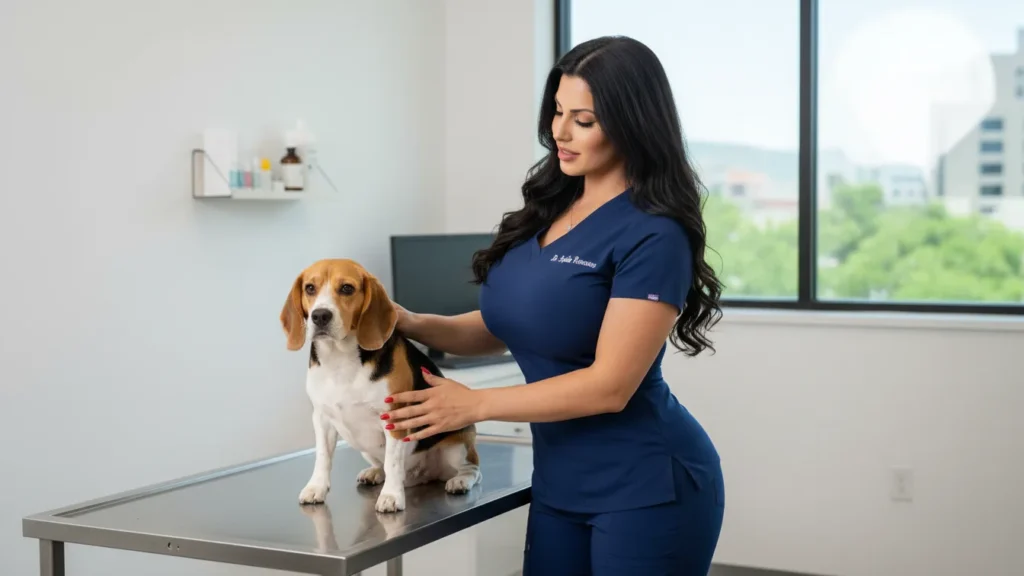
Dr. Sofia Romano, DVM, is an experienced veterinarian specializing in small-animal medicine and preventive care. She has treated thousands of cases using evidence-based diagnostics and modern clinical practices. Dr. Romano is dedicated to providing science-backed pet-health guidance that helps owners make informed decisions and improve their pets’ quality of life.