The Moment That Feels Off
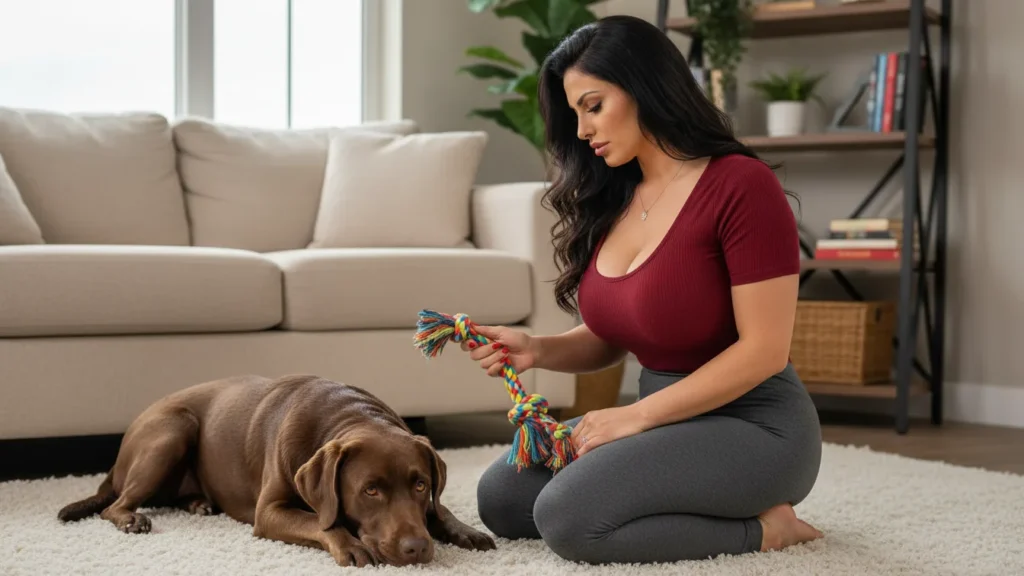
You grab the toy.
The same one your dog loved yesterday.
You shake it.
You toss it.
You call their name.
Nothing.
They look away.
They lie down.
They walk off.
That moment creates a quiet worry for many dog owners:
“Why doesn’t my dog want to play anymore?”
Here’s the key truth:
👉 Dogs don’t stop playing without a reason.
And that reason is rarely “laziness.”
First, Let’s Clear a Common Misunderstanding
Play is not just entertainment for dogs.
It’s a window into:
- Emotional well-being
- Physical comfort
- Cognitive health
- Sense of safety
A sudden change in play behavior often signals an internal shift, not a personality change.
Understanding why your dog stopped playing helps you respond with clarity—not panic.
Normal Play Pauses vs Concerning Changes
Not every pause is a problem.
Dogs naturally cycle between:
- High engagement
- Rest
- Observation
The concern arises when:
- The loss of play interest is sudden
- It lasts days or weeks
- It affects all types of play
- It’s paired with other behavior changes
👉 Duration and pattern matter more than a single moment.
The Most Common Reasons Dogs Suddenly Stop Playing
1. Emotional Stress or Anxiety (Very Common)
Stress dampens play instinct.
Dogs may stop playing when they feel:
- Overstimulated
- Insecure
- Conflicted
- Emotionally overwhelmed
Triggers include:
- Changes in routine
- Household tension
- New pets or people
- Loud environments
According to behavioral guidance from the American Kennel Club, play behavior is one of the first things to decrease when dogs experience emotional stress.
Play requires safety.
Stress removes that sense of safety.
2. Pain or Physical Discomfort
Pain often hides behind subtle behavior changes.
A dog may stop playing because:
- Jumping hurts
- Twisting causes discomfort
- Running aggravates joints or muscles
Common hidden pain sources:
- Early arthritis
- Muscle strains
- Dental pain
- Spinal stiffness
- Soft tissue injuries
Dogs don’t always limp.
Sometimes, they just… stop.
3. Mental Fatigue or Cognitive Load
Dogs can become mentally tired before they’re physically tired.
Examples:
- Long training sessions
- New environments
- Excessive stimulation
- Constant interaction without rest
Mental overload suppresses play drive.
This is especially common in:
- Intelligent breeds
- Puppies
- Dogs learning new routines
Play disappears when the brain needs recovery.
4. Aging and Shifting Play Preferences
As dogs mature, how they play changes.
Older dogs may:
- Prefer shorter sessions
- Avoid rough play
- Lose interest in fast-moving toys
- Choose calm interaction instead
Veterinary aging guidelines aligned with the World Small Animal Veterinary Association emphasize that reduced play intensity can be normal—but sudden loss is not.
Age changes play style.
It doesn’t erase joy.
5. Emotional Disengagement or Low Mood
Yes—dogs can experience low emotional states.
Signs include:
- Reduced play
- Less curiosity
- Withdrawal
- Increased sleep
This can follow:
- Loss of a companion
- Owner absence
- Major life changes
Play is optional.
Emotional health is not.
Play Loss vs Normal Rest (Comparison Table)
| Behavior | What You See | What It Means |
|---|---|---|
| Rest | Calm lying down | Normal |
| Boredom | Wandering, mild pacing | Needs stimulation |
| Play pause | Short disengagement | Normal |
| Play avoidance | Repeated refusal | Something’s off |
| Withdrawal | Loss of interest + isolation | Concerning |
👉 Play avoidance is communication, not defiance.
Why This Matters More Than It Appears
Play supports:
- Joint health
- Mental stimulation
- Emotional bonding
- Stress relief
When play disappears, dogs may:
- Lose muscle tone
- Become withdrawn
- Develop anxiety
- Experience declining quality of life
Public health insights summarized by the Centers for Disease Control and Prevention show that reduced activity and engagement are early markers of declining well-being across species.
Dogs are no exception.
What You Can Do (Actionable, Safe Steps)
Step 1: Observe Without Pressure
Notice:
- When play stopped
- What types of play are avoided
- Any physical or emotional changes
Don’t force engagement.
Step 2: Change the Type of Play
If fetch fails, try:
- Gentle tug
- Sniffing games
- Puzzle toys
- Slow-paced interaction
Engagement matters more than intensity.
Step 3: Check for Physical Comfort
Look for:
- Reluctance to jump
- Stiffness after rest
- Sensitivity to touch
- Changes in posture
Pain often hides in stillness.
Step 4: Reduce Environmental Stress
- Predictable routines
- Quiet play spaces
- Shorter sessions
- Calm tone
Safety restores play instinct.
Hidden Tip Most Owners Miss
Play refusal is often context-specific.
A dog may stop playing:
- In one room
- With one person
- With one toy
- At certain times of day
Context clues lead to answers faster than guessing.
Common Mistakes Owners Make
- ❌ Forcing play “to cheer them up”
- ❌ Assuming disobedience
- ❌ Ignoring sudden behavior shifts
- ❌ Overstimulating instead of calming
- ❌ Waiting too long to investigate pain
Play should feel optional—not demanded.
Real-Life Example
A 6-year-old Labrador suddenly ignored fetch.
Energy was normal.
Appetite unchanged.
The cause?
- Early elbow discomfort
- Fetch involved hard stops and turns
Switching to:
- Swimming
- Gentle tug
- Short walks
Brought playfulness back—without pain.
When You Should Be Concerned
Seek professional advice if:
- Play refusal lasts over a week
- Appetite also decreases
- Sleep increases significantly
- Pain signs appear
- Behavior becomes withdrawn
Loss of play + other changes = important signal.
FAQ: Dogs Suddenly Stopping Play
1. Is it normal for dogs to lose interest in toys?
Gradually, yes. Suddenly, it deserves attention.
2. Can stress alone stop play?
Absolutely. Emotional safety drives play.
3. Do dogs get bored of toys?
Yes—but boredom looks different from avoidance.
4. Should I buy new toys?
Only after ruling out pain or stress.
5. Can stopping play be a health warning?
Yes—especially when paired with other changes.
Key Takeaways
- Play reflects emotional and physical health
- Sudden loss of play is meaningful
- Stress, pain, and aging are common causes
- Forcing play damages trust
- Gentle observation leads to clarity
Final Thoughts
When a dog stops playing, they’re not being difficult.
They’re communicating—in the quietest way possible.
By listening without pressure, you replace worry with understanding—and help your dog rediscover joy on their terms.
Sometimes, love isn’t louder play.
It’s knowing when to pause.
Disclaimer: This article is for general educational purposes only and does not replace professional veterinary or behavioral advice. If changes persist, consult a qualified professional.

Dr. Sofia Romano, DVM, is an experienced veterinarian specializing in small-animal medicine and preventive care. She has treated thousands of cases using evidence-based diagnostics and modern clinical practices. Dr. Romano is dedicated to providing science-backed pet-health guidance that helps owners make informed decisions and improve their pets’ quality of life.