The Moment Many Dog Owners Don’t Expect
You bring new furniture home.
It looks great.
The room feels refreshed.
Everything is better.
Except your dog.
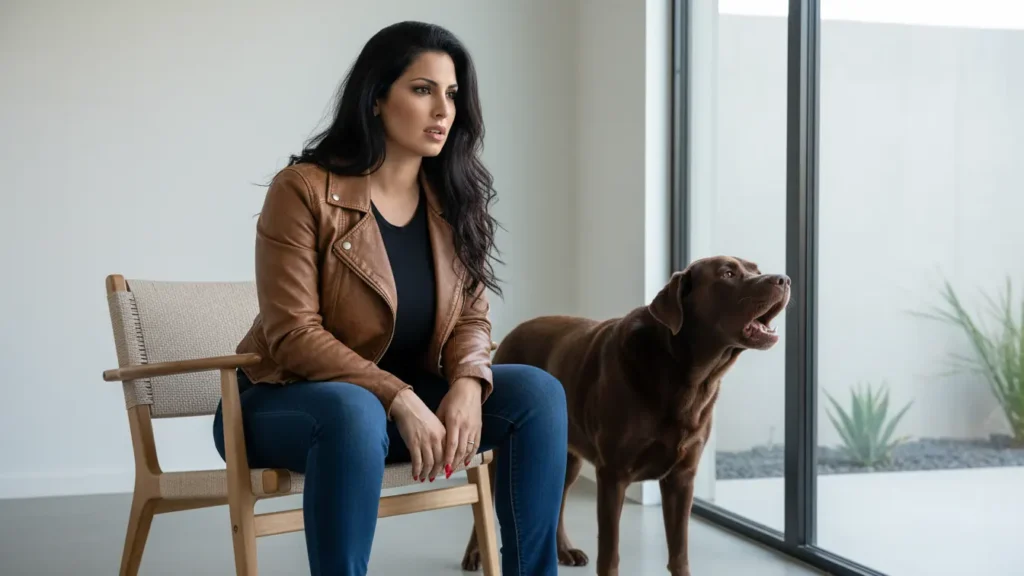
They stop short.
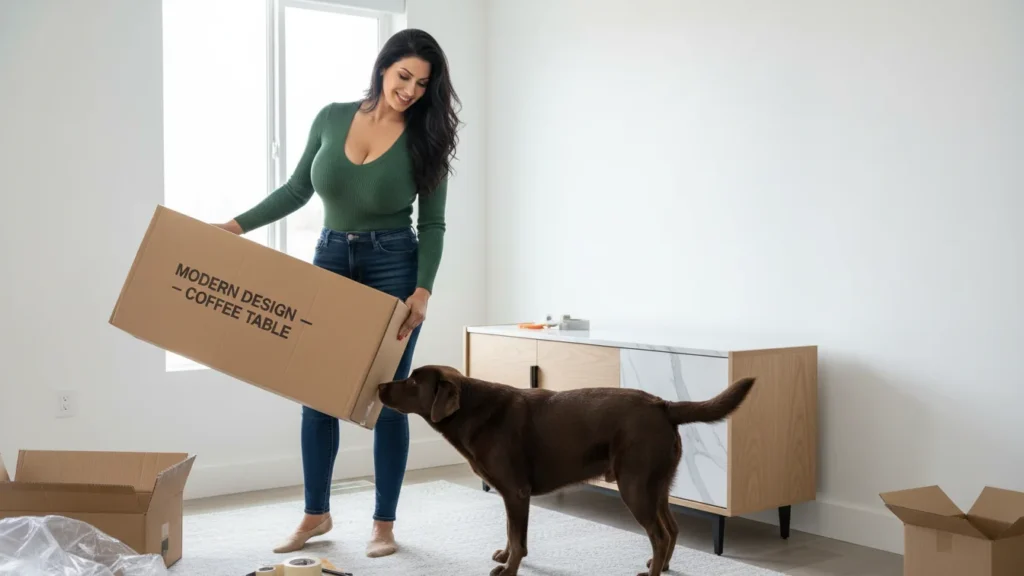
Sniff intensely.
Refuse to jump on the couch.
Or worse—bark, avoid, or act unsettled.
To humans, it’s just furniture.
To dogs, the entire environment has changed.
And that change can be deeply unsettling.
Dogs Don’t See Furniture — They Sense Environments
Humans experience homes visually.
Dogs experience homes sensory-first.
Their understanding of space depends on:
- Smell
- Movement pathways
- Familiar textures
- Spatial memory
- Emotional associations
When new furniture arrives, dogs don’t think:
“New couch.”
Their brain registers:
“The environment no longer matches my internal map.”
That mismatch triggers alertness.
Why New Furniture Feels So Big to Dogs
Dogs build mental blueprints of their home.
These maps include:
- Where they can walk safely
- Where they can rest
- Where humans sit
- Where escape routes exist
- Where familiar smells live
New furniture disrupts all of this at once.
Even a single chair can:
- Block sightlines
- Alter walking paths
- Remove familiar scent anchors
- Change sound reflection
- Modify airflow and temperature
For dogs, this is not minor.
It’s a system update.
The Powerful Role of Scent (The #1 Trigger)
New furniture smells wrong to dogs.
Not neutral.
Not pleasant.
Not familiar.
New items carry:
- Manufacturing chemicals
- Warehouse odors
- Other humans’ scents
- Cleaning residues
- Synthetic materials
Dogs rely on scent to confirm safety.
When a large object smells unfamiliar, the brain asks:
“Why is this here?”
Caution follows.
Why Dogs Sniff New Furniture Obsessively
Intense sniffing isn’t rudeness.
It’s investigation.
Dogs sniff to:
- Decode chemical information
- Determine safety
- Check for threats
- Update environmental memory
Sniffing helps dogs re-categorize the object from unknown → safe.
Rushing this process interrupts adjustment.
Texture and Sound Changes Matter More Than You Think
New furniture changes how the home feels physically.
Dogs notice:
- Slippery surfaces
- New heights
- Unstable cushions
- Creaking or shifting sounds
- Different vibration feedback
A couch that moves slightly when jumped on may feel unsafe.
Dogs don’t test comfort emotionally.
They test predictability.
Why Some Dogs Avoid New Furniture Completely
Avoidance is often misread as stubbornness.
In reality, it can reflect:
- Uncertainty
- Fear of instability
- Loss of familiar scent
- Previous negative experience
- Pain or joint sensitivity
Dogs don’t avoid because they dislike the item.
They avoid because they don’t trust it yet.
Dogs Sensitive to Change React the Strongest
Some dogs adapt quickly.
Others struggle.
Dogs more likely to react strongly include:
- Anxious or cautious temperaments
- Senior dogs
- Dogs recovering from illness
- Dogs with joint discomfort
- Highly bonded dogs
- Dogs with strict routines
Sensitivity isn’t weakness.
It’s awareness.
New Furniture vs Old Furniture: How Dogs Experience the Difference
| Factor | Old Furniture | New Furniture |
|---|---|---|
| Scent | Familiar | Unknown |
| Stability | Predictable | Uncertain |
| Sound | Known | New |
| Pathways | Memorized | Disrupted |
| Emotional safety | Established | Unclear |
Dogs react to change, not the object itself.
Real-Life Example Many Owners Recognize
A dog who slept daily on the old couch suddenly refuses the new one.
They pace nearby.
Lie on the floor instead.
Watch it suspiciously.
Nothing “bad” happened.
But the couch no longer:
- Smells like home
- Feels predictable
- Matches memory
Time—not force—fixes this.
Why Dogs May Bark or Growl at New Furniture
This is less common, but it happens.
Reasons include:
- The object blocks visibility
- It appears suddenly
- Shadows change
- Reflections appear
- The dog startles when bumping into it
The dog isn’t aggressive.
They’re responding to environmental uncertainty.
Common Mistakes Owners Make
Good intentions often backfire.
Avoid:
- Forcing your dog onto new furniture
- Laughing at fearful reactions
- Scolding avoidance
- Rushing exposure
- Removing all familiar items at once
Each mistake reinforces insecurity.
How to Help Your Dog Adjust Calmly (Step-by-Step)
1. Let Your Dog Investigate Freely
Sniffing is essential.
Don’t interrupt.
2. Transfer Familiar Scents
Rub a blanket or your clothing on the furniture.
Familiar smell = safety.
3. Maintain Old Routines
Keep:
- Feeding times
- Walk schedules
- Resting routines
unchanged.
Consistency anchors confidence.
4. Use Calm Positive Associations
Toss treats near (not on) the furniture.
Let curiosity lead.
5. Respect Avoidance Temporarily
Avoidance is communication—not defiance.
Most dogs adjust naturally within days.
Hidden Tip Most Owners Miss
Dogs adjust faster when only one change happens at a time.
New furniture + new routine + new smells = overload.
Stagger changes whenever possible.
Why This Matters Today
Modern homes change frequently.
New décor.
Renovations.
Rearrangements.
Dogs crave environmental predictability.
Understanding furniture reactions:
- Prevents anxiety escalation
- Reduces behavior issues
- Builds trust
- Improves emotional stability
It’s not about the couch.
It’s about safety.
Key Takeaways
- Dogs react to new furniture due to sensory disruption
- Scent is the biggest trigger
- Environmental maps take time to update
- Avoidance is normal, not misbehavior
- Forced exposure increases stress
- Gentle adjustment restores confidence
Frequently Asked Questions
1. How long does it take dogs to adjust to new furniture?
Most dogs adjust within a few days to two weeks.
2. Should I force my dog to use new furniture?
No. Choice builds trust faster than pressure.
3. Why does my dog bark at new furniture?
Sudden environmental changes can trigger alert behavior.
4. Can new furniture cause anxiety?
Temporary stress is common, especially in sensitive dogs.
5. When should I be concerned?
If reactions escalate, spread, or persist beyond a few weeks.
A Calm Closing Thought
Your dog isn’t being dramatic.
They’re updating their understanding of home—one scent, one step, one pause at a time.
When you allow that process to happen naturally, your dog learns:
“Change doesn’t mean danger.”
And soon enough, that new furniture becomes just another safe place to rest.
Disclaimer: This article is for general educational purposes and does not replace individualized veterinary or behavioral advice.

Dr. Sofia Romano, DVM, is an experienced veterinarian specializing in small-animal medicine and preventive care. She has treated thousands of cases using evidence-based diagnostics and modern clinical practices. Dr. Romano is dedicated to providing science-backed pet-health guidance that helps owners make informed decisions and improve their pets’ quality of life.