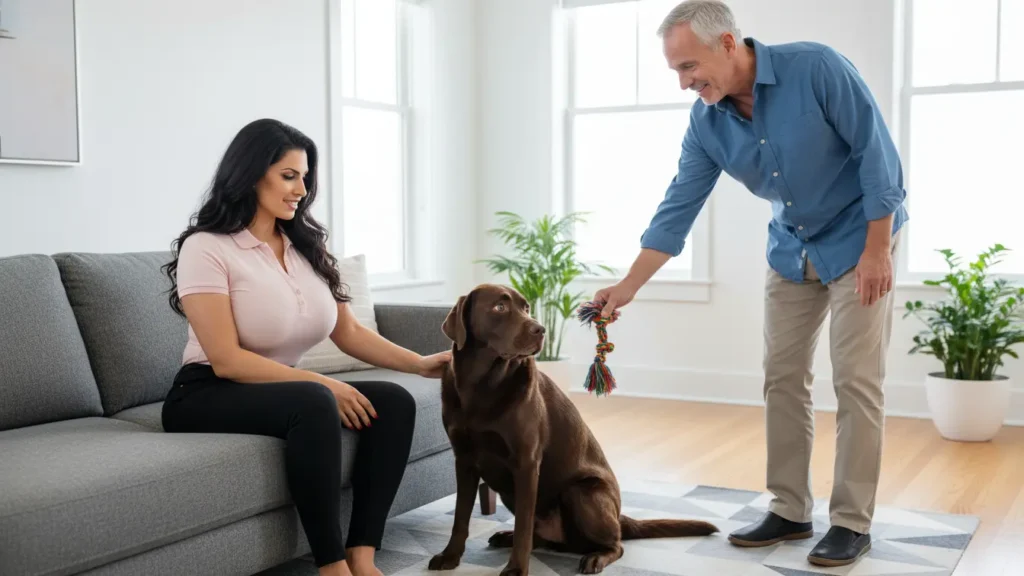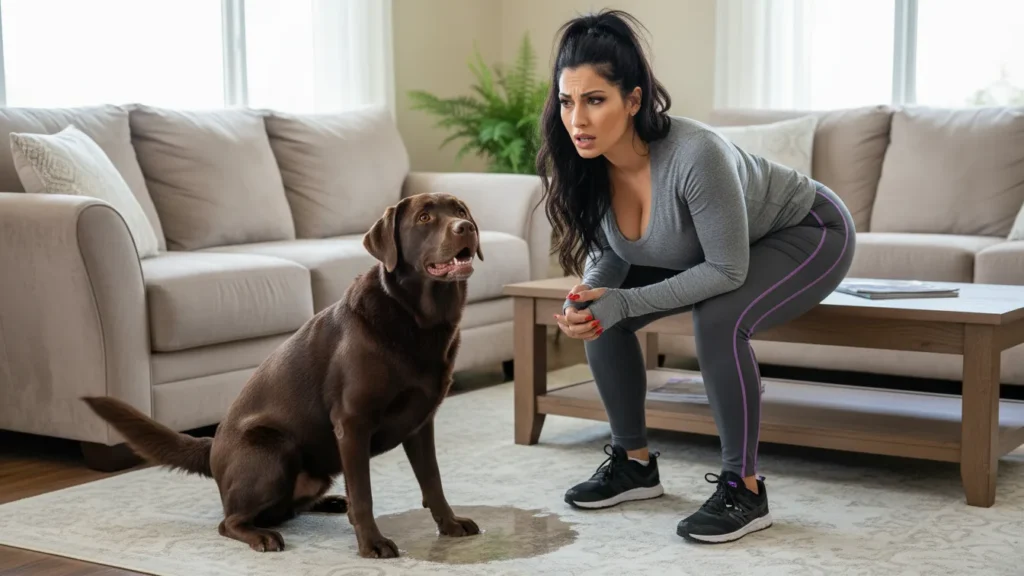
“When Joy Turns Into Embarrassment”
The door opens.
Your dog freezes—then explodes with happiness.
Tail wagging. Wiggle body. Big eyes.
And then… a puddle.
You sigh.
They look confused.
No one feels good about it.
If this happens in your home, you’re not alone—and your dog isn’t being stubborn, dirty, or defiant.
👉 Excited urination is a common, involuntary response, especially in puppies and sensitive dogs. Understanding it is the fastest path to stopping it—kindly and effectively.
What “Excited Urination” Really Is (And What It Isn’t)
Excited urination is a loss of bladder control triggered by strong emotions, most often joy, anticipation, or social arousal.
It is not:
- A house-training failure
- A dominance issue
- Revenge or attention-seeking
- A sign your dog “knows better”
According to behavior guidance shared by the American Kennel Club, excited urination is most common in puppies and adolescents, and many dogs outgrow it with maturity and calm handling.
Why Excitement Makes Some Dogs Pee
1. Immature Bladder Control (Especially in Puppies)
Young dogs simply don’t have full neurological control yet.
When excitement spikes:
- Muscles tense
- Focus narrows
- Bladder control slips
It’s similar to a toddler laughing so hard they have an accident.
2. Nervous System Overload
Strong emotions—positive or negative—activate the autonomic nervous system.
That surge can:
- Increase abdominal pressure
- Relax the urinary sphincter
- Override voluntary control
The result is accidental urination.
3. Submissive or Sensitive Temperament
Some dogs are naturally more deferential.
They may pee during:
- Greetings
- Eye contact
- Loud voices
- Leaning over them
This isn’t fear—it’s a calming signal meant to communicate non-threat.
4. Learned Emotional Patterns
If a dog has experienced:
- Inconsistent reactions
- Loud greetings
- Past scolding
Their body may associate human arrival with emotional intensity—even if the emotion is happy.
Common Triggers That Set It Off
You’ll often notice excited urination during:
- Owner returning home
- Guests arriving
- Playtime starting
- Leash coming out
- Vet or groomer greetings
- High-pitched voices
👉 The more sudden and intense the interaction, the higher the chance of an accident.
Excited Urination vs. Submissive Urination
These look similar—but the emotional drivers differ.
| Feature | Excited Urination | Submissive Urination |
|---|---|---|
| Trigger | Happiness, anticipation | Social pressure, uncertainty |
| Body language | Wiggly, playful | Lowered head, tucked tail |
| Typical age | Puppies, adolescents | Puppies or sensitive adults |
| Emotional tone | Joyful | Appeasing |
| Voluntary control | No | No |
Understanding the difference helps you choose the right response.
Why Punishment Makes It Worse
This is critical.
Scolding after excited urination:
- Increases emotional arousal
- Raises anxiety
- Reinforces the bladder loss cycle
Veterinary behavior sources supported by the American Veterinary Medical Association emphasize that punishment for involuntary behaviors often intensifies the problem.
Your dog isn’t choosing this behavior—so correction can’t fix it.
The Calm, Proven Steps That Actually Stop It
1. Change the Greeting Ritual
This is the most powerful fix.
- Ignore your dog for the first 1–2 minutes
- Avoid eye contact and high-pitched voices
- Let excitement naturally settle
- Greet only when calm
Calm greetings = calm bladders.
2. Get Outside First
If possible:
- Take your dog outside before greetings
- Allow them to pee immediately
- Then greet and play
Empty bladder = fewer accidents.
3. Lower the Emotional Volume
Small changes matter:
- Speak softly
- Move slowly
- Ask visitors to crouch sideways
- Avoid leaning over the dog
This reduces pressure and arousal.
4. Build Confidence, Not Control
Confident dogs regulate better.
Helpful tools:
- Reward calm behaviors
- Practice low-key greetings daily
- Use predictable routines
Confidence stabilizes the nervous system.
5. Practice “Boring Arrivals”
Yes—on purpose.
Do short exits and re-entries:
- Leave for 1 minute
- Return calmly
- No greeting until relaxed
Repetition teaches the body there’s nothing overwhelming happening.
Hidden Tip: The “Sit Before Hello” Rule
Teaching a simple sit before greetings:
- Redirects energy
- Creates a pause
- Reduces bladder pressure
Reward the sit—not the excitement.
This small habit can dramatically reduce accidents.
Mistakes Owners Often Make
Avoid these common traps:
- ❌ Making a big emotional return
- ❌ Picking the dog up during greetings
- ❌ Laughing (which reinforces excitement)
- ❌ Punishing accidents
- ❌ Assuming the dog is “untrained”
Remember: regulation beats correction.
When to Rule Out Medical Causes
Excited urination is behavioral—but it’s wise to consider health when:
- Accidents happen at rest
- Urination occurs during sleep
- Frequency increases suddenly
- There’s pain, straining, or odor
In these cases, a veterinary check helps rule out urinary tract issues or hormone-related conditions.
Why This Matters Today
Dogs live closer to humans than ever.
Modern life includes:
- Frequent comings and goings
- Visitors
- High emotional interactions
Sensitive dogs absorb this intensity.
Understanding excited urination:
- Prevents shame and frustration
- Protects your bond
- Creates calmer, happier households
Most importantly, it replaces blame with empathy.
Real-Life Example Many Owners Recognize
A 5-month-old puppy pees every time the owner comes home.
By:
- Ignoring greetings briefly
- Going straight outside
- Practicing calm returns
Accidents drop from daily to rare within weeks—without punishment.
Key Takeaways
- Excited urination is involuntary and common
- Puppies and sensitive dogs are most affected
- Emotional intensity—not disobedience—is the cause
- Calm routines reduce accidents dramatically
- Most dogs improve with maturity and gentle handling
Frequently Asked Questions (FAQ)
1. Do dogs outgrow excited urination?
Most do, especially with calm, consistent handling.
2. Should I scold my dog after an accident?
No. Scolding increases anxiety and prolongs the issue.
3. Is excited urination the same as poor house training?
No. House training and emotional bladder control are different systems.
4. Can adult dogs have excited urination?
Yes—especially sensitive or submissive adults.
5. How long does improvement usually take?
Many dogs improve within weeks when greetings are adjusted.
A Calm, Compassionate Conclusion
When dogs pee from excitement, it’s not a flaw—it’s a feeling spilling over.
With patience, calm energy, and a few smart changes, most dogs learn to stay dry as their confidence grows.
Sometimes the solution isn’t teaching your dog to control their bladder—
It’s teaching the environment to stay calm enough that they don’t have to.
Disclaimer: This article is for general educational purposes only and does not replace advice from a qualified veterinarian or behavior professional. If concerns persist, seek professional guidance.

Dr. Sofia Romano, DVM, is an experienced veterinarian specializing in small-animal medicine and preventive care. She has treated thousands of cases using evidence-based diagnostics and modern clinical practices. Dr. Romano is dedicated to providing science-backed pet-health guidance that helps owners make informed decisions and improve their pets’ quality of life.