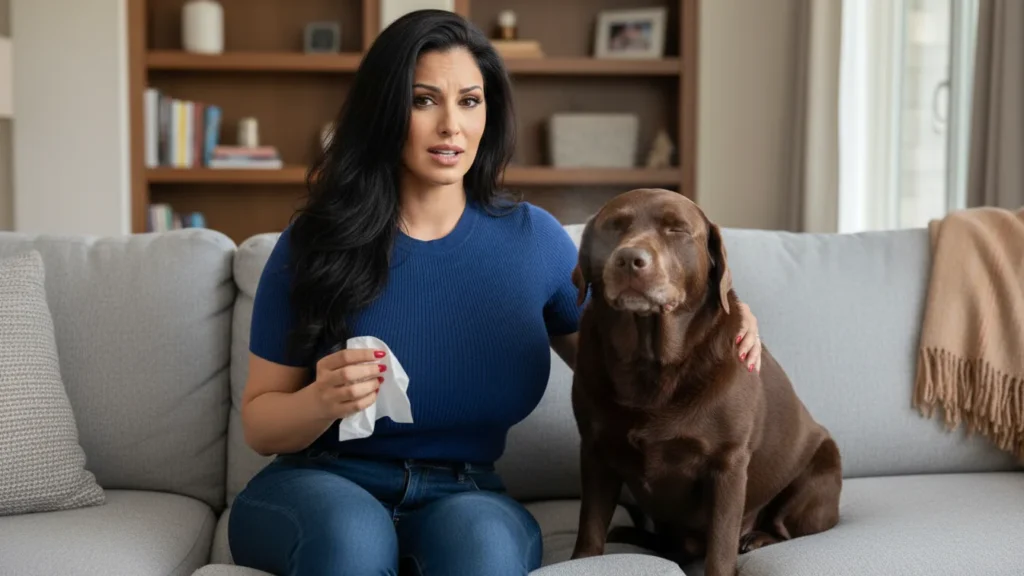
“When a Simple Sneeze Starts to Worry You”
A single sneeze barely registers.
But then it happens again.
And again.
And again.
Your dog shakes their head.
Snorts softly.
Sneezes in bursts.
You start wondering:
Is this allergies?
Is my dog getting sick?
Or is something stuck in their nose?
Here’s the reassuring truth most owners don’t hear clearly enough:
👉 Sneezing in dogs is common — but patterns matter more than the sneeze itself.
Understanding why your dog keeps sneezing helps you respond calmly, not anxiously.
Why Dogs Sneeze in the First Place
Sneezing is a protective reflex.
It helps dogs:
- Clear irritants from nasal passages
- Expel dust, pollen, or debris
- Reset nasal sensitivity
Just like humans, dogs sneeze when something doesn’t belong in their nose.
One or two sneezes?
Completely normal.
Repeated sneezing?
That’s when context matters.
The Most Common Cause: Environmental Allergies
Yes — dogs get allergies too.
In fact, allergies are one of the top reasons for repeated sneezing in otherwise healthy dogs.
Common triggers include:
- Pollen
- Dust mites
- Mold spores
- Household cleaners
- Air fresheners
- Smoke or incense
Allergy sneezing often appears:
- Seasonally
- After cleaning
- During walks
- In specific rooms
The immune system reacts — not dangerously, but noticeably.
How Allergy Sneezing Usually Looks
Allergy-related sneezing often comes with subtle clues.
You may notice:
- Clear nasal discharge
- Occasional eye watering
- Paw licking or mild itching
- Sneezing in bursts
- Normal energy and appetite
Dogs with allergies usually feel fine otherwise.
That’s a key distinction.
Reverse Sneezing: Scary but Usually Harmless
Reverse sneezing sounds dramatic.
Your dog:
- Snorts loudly
- Extends their neck
- Appears to gasp briefly
This is caused by irritation at the back of the nasal passage or throat.
Common triggers include:
- Dust
- Pollen
- Excitement
- Temperature changes
- Pulling on a collar
Despite how alarming it looks, reverse sneezing is rarely dangerous and often resolves on its own.
When Sneezing Points Toward Infection
Not all sneezing is allergy-related.
Infections affect the nasal passages and sinuses more deeply.
Sneezing linked to infection often comes with other changes.
Watch for:
- Thick yellow or green discharge
- One-sided nasal discharge
- Lethargy
- Loss of appetite
- Bad breath
- Facial sensitivity
Infections don’t just irritate — they alter how your dog feels.
Allergy vs Infection: How to Tell the Difference
| Feature | Allergies | Infection |
|---|---|---|
| Nasal discharge | Clear | Thick, colored |
| Sneezing pattern | Intermittent | Persistent |
| Energy level | Normal | Reduced |
| Appetite | Normal | Often decreased |
| Seasonality | Common | Less predictable |
| Odor | None | Possible foul smell |
Patterns over days matter more than a single symptom.
Foreign Objects: The Sudden Sneezing Trigger
Sometimes sneezing begins suddenly and intensely.
That raises another possibility — something stuck in the nose.
This can include:
- Grass seeds
- Dirt
- Small insects
- Plant material
Signs include:
- Sudden, violent sneezing
- Pawing at the nose
- One-sided sneezing
- Nasal bleeding
This isn’t common — but it needs attention when it happens.
Dental Issues That Mimic Nasal Problems
This surprises many owners.
Upper tooth infections can affect the nasal cavity.
Because dog tooth roots sit close to the sinuses, dental issues may cause:
- Sneezing
- Nasal discharge
- Facial swelling
- Bad breath
Sneezing that doesn’t respond to typical allergy relief may have oral origins.
Breed Matters More Than You Think
Certain dogs sneeze more due to anatomy.
Short-nosed breeds (brachycephalic dogs) often experience:
- Narrow nasal passages
- Increased airway sensitivity
- More reverse sneezing
This doesn’t automatically mean illness — just structural sensitivity.
Real-Life Example: Two Dogs, Same Sneezing
Dog A:
- Sneezes during spring walks
- Has clear discharge
- Plays normally
Dog B:
- Sneezes daily indoors
- Has thick discharge
- Eats less
Same symptom.
Different causes.
Observation makes the difference.
Common Owner Mistakes to Avoid
When sneezing starts, avoid these reactions:
- Giving human allergy medicine
- Ignoring colored discharge
- Assuming all sneezing is “normal”
- Using strong cleaning products
- Over-washing bedding with scented detergents
Well-meaning actions can worsen irritation.
What You Can Do at Home (Safely)
1. Reduce Environmental Triggers
- Vacuum regularly
- Wash bedding weekly
- Use unscented cleaners
2. Improve Air Quality
- Ventilate rooms
- Avoid smoke exposure
- Reduce air fresheners
3. Observe Patterns
Track:
- Time of day
- Location
- Frequency
- Associated symptoms
Patterns guide smarter decisions.
Hidden Tip Most Owners Miss
Sneezing that improves outdoors but worsens indoors often points to household allergens.
Sneezing that worsens outdoors may be seasonal pollen-related.
Location clues matter.
Why This Matters Today
Dogs today:
- Live indoors more
- Are exposed to artificial scents
- Encounter new allergens year-round
- Share airspace with humans constantly
This makes mild respiratory irritation more noticeable than ever before.
Understanding prevents overreaction — and underreaction.
When Sneezing Needs Professional Attention
Seek guidance if sneezing:
- Persists beyond a few days
- Comes with lethargy
- Produces thick or bloody discharge
- Is one-sided
- Causes facial pain or swelling
Sneezing alone isn’t the concern — changes are.
Key Takeaways
- Sneezing is a normal protective reflex
- Allergies are the most common cause
- Infections come with additional symptoms
- Reverse sneezing looks scary but is usually harmless
- Patterns matter more than isolated sneezes
- Calm observation leads to better decisions
Frequently Asked Questions
1. Is sneezing in dogs normal?
Occasional sneezing is completely normal.
2. Can dogs have seasonal allergies?
Yes. Many dogs react to pollen and environmental changes.
3. What color discharge is concerning?
Yellow, green, bloody, or foul-smelling discharge needs attention.
4. Is reverse sneezing dangerous?
Usually no. It often resolves without treatment.
5. Can sneezing go away on its own?
Yes, especially if triggered by mild irritation or allergens.
A Calm Final Thought
Sneezing isn’t your dog’s body failing.
It’s their body communicating.
When you listen to patterns instead of panicking over moments, you protect your dog with clarity — not fear.
And most of the time, that makes all the difference.
Disclaimer: This article is for general educational purposes only and does not replace personalized advice from a veterinary or animal health professional.

Dr. Sofia Romano, DVM, is an experienced veterinarian specializing in small-animal medicine and preventive care. She has treated thousands of cases using evidence-based diagnostics and modern clinical practices. Dr. Romano is dedicated to providing science-backed pet-health guidance that helps owners make informed decisions and improve their pets’ quality of life.