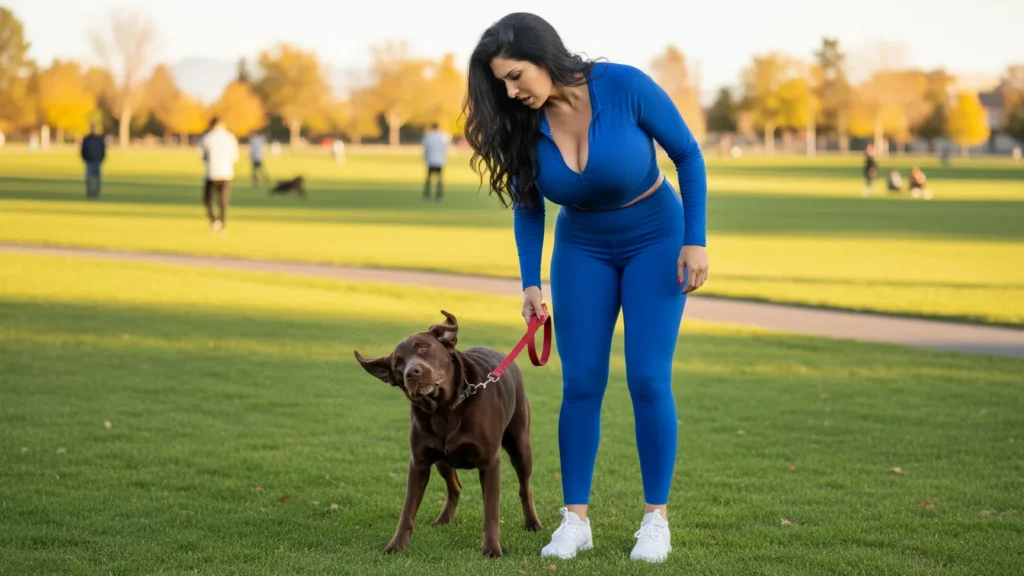
“The Habit Owners Notice — And Often Misread”
Most dog owners notice it during quiet moments.
Your dog pauses.
Tilts their head.
Then shakes — hard — ears flapping side to side.
At first, it seems harmless. Maybe even funny.
But when it happens again… and again… and again — concern sets in.
Many owners jump to the same conclusion: “It must be ear mites.”
And while ear mites can cause head shaking, they are far from the most common reason — especially in adult dogs.
Veterinarians see this misunderstanding daily.
Head shaking is not a diagnosis.
It’s a signal — and the cause can range from mild irritation to painful inflammation that worsens if ignored.
This article breaks down why dogs shake their heads repeatedly, the hidden causes owners overlook, and how to tell when it’s time to act — calmly, safely, and early.
Why Dogs Shake Their Heads in the First Place
Head shaking is a protective reflex.
Dogs shake their heads to:
- Relieve discomfort inside the ear canal
- Remove moisture, debris, or pressure
- Respond to pain, itch, or fullness
- Reset balance when something feels “off”
Unlike scratching, head shaking is forceful — which means the trigger is usually inside the ear, not just on the surface.
The important part?
👉 The behavior tells you something is bothering them — not what that something is.
Myth vs Reality: Ear Mites Aren’t Always the Culprit
Ear mites are widely blamed — but they’re far less common than most owners think, especially in adult, indoor dogs.
Ear mites are more likely when:
- Puppies are involved
- Dogs live in crowded environments
- There’s close contact with infected animals
- Thick, dark, crumbly discharge is present
In contrast, most adult dogs shaking their heads have other issues, often more subtle and long-standing.
Hidden Cause #1: Early or Mild Ear Inflammation
Not all ear infections look dramatic.
In early stages:
- There may be no strong odor
- Discharge can be minimal or clear
- Redness may be mild or hidden deep inside
- Pain exists before visible signs appear
This is when dogs shake their heads most.
Because the inflammation hasn’t fully developed, owners often wait — unintentionally allowing the condition to worsen.
Why this matters:
Early inflammation responds faster, costs less to treat, and prevents chronic ear disease.
Hidden Cause #2: Allergies That Target the Ears
For many dogs, ear problems are allergy problems.
Food allergies, environmental allergens, and seasonal triggers often show up first in the ears.
Clues that allergies are involved:
- Head shaking comes and goes
- Both ears are affected
- Paw licking or face rubbing occurs
- Symptoms worsen during certain months
Allergic inflammation makes the ear canal warm and moist — the perfect environment for secondary infections.
Treating only the ear without addressing allergies leads to repeat episodes.
Hidden Cause #3: Moisture Trapped After Baths or Swimming
Water inside a dog’s ear doesn’t always drain easily.
Dogs with:
- Floppy ears
- Narrow ear canals
- Thick ear hair
are especially vulnerable.
Even a small amount of trapped moisture can cause irritation within hours.
Common mistake:
Drying the outer ear only, while moisture remains deeper inside.
Head shaking after grooming or swimming is often your first warning sign.
Hidden Cause #4: Foreign Material You Can’t See
Grass seeds, dust, sand, pollen, or tiny insects can lodge deep inside the ear canal.
This often causes:
- Sudden, intense head shaking
- One-sided symptoms
- Head tilting
- Pawing at a specific ear
Because dogs can’t remove these objects themselves, shaking becomes their only option.
Left untreated, foreign material can trigger infection or even damage the eardrum.
Hidden Cause #5: Yeast Overgrowth (Not Always Obvious)
Yeast doesn’t always smell bad at first.
Early yeast issues may cause:
- Persistent itch
- Warm ears
- Mild redness
- Repeated head shaking without discharge
Yeast thrives in ears affected by allergies, moisture, or hormonal imbalance.
Using the wrong ear drops can actually make yeast worse, which is why guessing treatments often backfires.
Hidden Cause #6: Ear Pain From Pressure or Trauma
Sometimes, the problem isn’t infection — it’s pain.
Causes include:
- Small hematomas (blood pockets from shaking)
- Minor injuries inside the ear
- Jaw or dental pain referring to the ear
- Pressure changes after vigorous shaking
Dogs may shake their heads harder when pain is present, unintentionally worsening the injury.
Head Shaking vs Ear Mites: A Quick Comparison
| Feature | Ear Mites | Other Common Causes |
|---|---|---|
| Age group | Mostly puppies | Mostly adult dogs |
| Discharge | Dark, crumbly | Clear, yellow, or minimal |
| Itch level | Extreme | Mild to moderate |
| Odor | Usually mild | Can be strong or absent |
| Affected ears | Often both | One or both |
| Response to cleaning | Temporary relief | Often worsens |
Mistakes Owners Commonly Make (And Why They Matter)
Even well-meaning owners can delay recovery.
Common mistakes include:
- Using leftover ear drops
- Cleaning too frequently
- Ignoring early signs
- Assuming “it will pass”
- Treating both ears without diagnosis
These actions can:
- Damage the ear canal
- Mask symptoms
- Create resistant infections
When it comes to ears, less guessing = faster healing.
What You Can Safely Do at Home
If head shaking is mild and recent, you can:
- Observe frequency and triggers
- Check for visible redness or discharge
- Note if one or both ears are affected
- Avoid inserting anything deep into the ear
- Keep ears dry after bathing
Stop and seek help if:
- Shaking worsens
- Pain is obvious
- Head tilting appears
- Discharge or odor develops
When Head Shaking Becomes Urgent
Veterinarians consider it urgent when:
- Shaking is violent or nonstop
- The ear looks swollen
- Your dog cries or pulls away
- Balance seems affected
- Symptoms last more than a few days
Ignoring these signs risks chronic ear disease, which is far harder to reverse.
Why This Matters Today
Dogs are living longer — and chronic ear conditions reduce quality of life quietly.
Repeated head shaking isn’t “just a habit.”
It’s often a preventable progression.
Early attention:
- Reduces pain
- Prevents long-term damage
- Lowers treatment costs
- Improves comfort dramatically
Key Takeaways
- Head shaking is a symptom, not a diagnosis
- Ear mites are not the most common cause
- Allergies and early inflammation are frequent triggers
- Moisture and foreign material matter more than owners realize
- Early action prevents chronic ear disease
Frequently Asked Questions
1. Can dogs shake their heads just out of habit?
Rarely. Repeated head shaking almost always signals discomfort or irritation.
2. Is head shaking always painful for dogs?
Not always at first, but pain often develops if the cause isn’t addressed.
3. Should I clean my dog’s ears when they shake their head?
Only if advised. Incorrect cleaning can worsen inflammation.
4. Can allergies cause ear problems without skin issues?
Yes. For many dogs, ears are the first and only sign.
5. How long is too long to wait before seeing a vet?
If shaking lasts more than 2–3 days or worsens, evaluation is recommended.
Conclusion
When dogs shake their heads repeatedly, they’re communicating discomfort — not misbehaving.
The cause is often simpler and earlier than owners expect — and far more manageable when addressed promptly.
Understanding the real reasons behind head shaking helps you respond with clarity instead of worry.
And that calm, informed response makes all the difference to your dog’s comfort.
Disclaimer:
This article is for general educational purposes only and does not replace individualized veterinary advice. Always consult a qualified professional for concerns about your dog’s health.

Dr. Sofia Romano, DVM, is an experienced veterinarian specializing in small-animal medicine and preventive care. She has treated thousands of cases using evidence-based diagnostics and modern clinical practices. Dr. Romano is dedicated to providing science-backed pet-health guidance that helps owners make informed decisions and improve their pets’ quality of life.


Pingback: Why Dogs Keep Sneezing — Allergies Or Infection? The Signs Most Owners Overlook
Pingback: Why Dogs Keep Shaking After A Bath — The Real Reasons Behind This Instinctive Behavior