The Night Many Dog Owners Quietly Notice
It’s late.
The house is calm.
The lights are off.
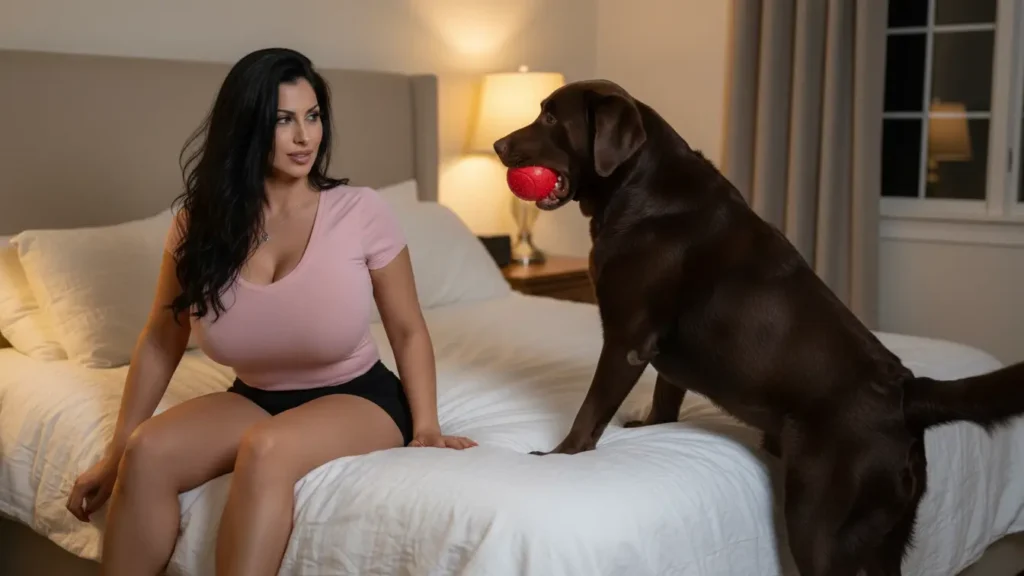
Yet your dog won’t settle.
They pace.
Move from window to window.
Wake more often.
Sometimes whine, sometimes stare into the darkness.
You check the clock.
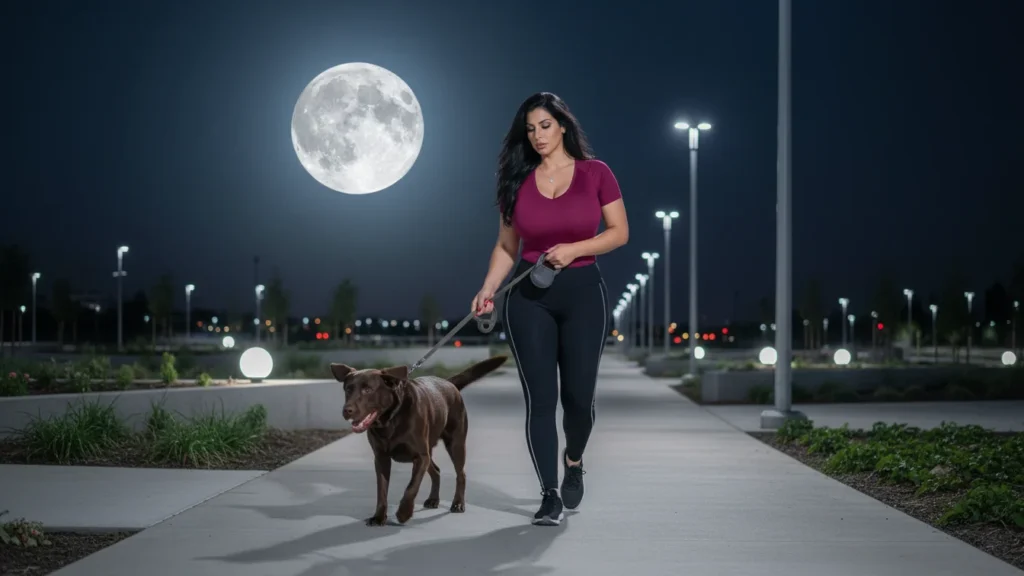
Then the sky.
A full moon.
Many owners hesitate to say it out loud, worried it sounds unscientific.
But the pattern repeats often enough that it’s hard to ignore.
So what’s really going on?
Are dogs reacting to the moon—or is something else quietly changing during those nights?
The Full Moon Isn’t Magic — It Changes the Environment
The moon doesn’t affect dogs emotionally.
But full moons change the sensory world dogs live in.
During a full moon:
- Nighttime light levels increase dramatically
- Shadows sharpen and move differently
- Outdoor visibility improves
- Wildlife activity increases
- Human sleep patterns subtly shift
Dogs don’t experience these changes the way humans do.
Their senses amplify them.
Why Dogs Notice Full Moons More Than Humans
Dogs see better in low light than people.
They detect:
- Motion more easily
- Contrast changes
- Shifting shadows
- Distant movement outdoors
What looks like “soft moonlight” to you may feel like active nighttime stimulation to your dog.
The environment is no longer quiet—it’s visually alive.
For a species wired to monitor surroundings, this matters.
Light Disrupts Sleep — Even When You Don’t Realize It
Sleep in dogs is guided by circadian rhythms, just like humans.
Darkness signals rest.
Light signals alertness.
A full moon increases ambient light enough to:
- Delay deep sleep
- Increase nighttime awakenings
- Reduce melatonin release
- Promote scanning behavior
Dogs don’t consciously feel tired the way humans do.
They feel less able to fully switch off.
Why Noise Isn’t the Main Issue (But Activity Is)
It’s not the moon itself causing restlessness.
It’s what the moon enables.
Full moons increase:
- Wildlife movement
- Outdoor animal sounds
- Distant motion
- Subtle environmental noise
Even if you don’t hear it, your dog may:
- Smell animals
- See movement
- Sense vibrations
- Detect unfamiliar patterns
The brain shifts from rest to monitoring.
Instinct Still Lives Beneath Domestication
- Crepuscular hunters
- Group-living animals
- Nighttime sentinels
In nature, full moons meant:
- Better visibility for predators
- Increased prey movement
- Higher nighttime activity
That biological memory still exists.
When the night becomes brighter, the dog’s brain doesn’t say:
“Pretty moon.”
It says:
“Pay attention.”
Why Some Dogs React More Than Others
Not every dog becomes restless during full moons.
Sensitivity varies based on:
- Breed tendencies
- Individual temperament
- Age
- Health status
- Environment
- Emotional security
Dogs more likely to show restlessness include:
- Herding or guarding breeds
- Dogs with anxiety tendencies
- Dogs recovering from illness
- Senior dogs with lighter sleep
- Dogs closely bonded to owners
This isn’t weakness.
It’s sensitivity.
Real-Life Pattern Many Owners Recognize
On regular nights:
- Dog sleeps through the night
- Settles easily
- Minimal movement
On full moon nights:
- Takes longer to lie down
- Gets up repeatedly
- Stares outside
- Seeks proximity to owners
The routine hasn’t changed.
The sensory world has.
Full Moon vs Regular Night: How Dogs Experience It
| Factor | Regular Night | Full Moon Night |
|---|---|---|
| Light levels | Low | Significantly brighter |
| Shadows | Minimal | Sharp, moving |
| Wildlife | Reduced | Increased |
| Sleep depth | Deeper | Fragmented |
| Dog behavior | Settled | Alert, restless |
This isn’t superstition—it’s environmental biology.
Common Myths That Confuse Owners
Let’s clear a few things up.
❌ Dogs aren’t “going crazy”
❌ The moon isn’t controlling behavior
❌ This isn’t aggression or misbehavior
❌ It’s not a training failure
What you’re seeing is sensory-driven alertness, not emotional instability.
Mistakes Owners Often Make (Unintentionally)
Trying to “fix” full-moon restlessness can backfire.
Avoid:
- Scolding pacing
- Forcing the dog to lie down
- Excessive reassurance
- Overstimulation late at night
- Interpreting restlessness as disobedience
These responses increase arousal instead of reducing it.
How to Help Your Dog Settle During Full Moons
1. Control Indoor Lighting
- Close curtains or blinds
- Reduce reflective surfaces
- Maintain consistent indoor lighting
This limits visual stimulation.
2. Maintain Predictable Night Routines
Consistency tells the nervous system:
“Nothing has changed.”
Stick to:
- Regular feeding times
- Same bedtime rituals
- Familiar sleeping spots
3. Provide Gentle Background Sound
Soft, consistent sound helps mask outdoor activity:
- White noise
- Low-volume music
- A fan
Avoid silence and sudden noises.
4. Increase Daytime Fulfillment
A well-stimulated dog settles more easily at night.
Focus on:
- Sniff walks
- Calm training sessions
- Mental enrichment
- Emotional connection
Exhaustion isn’t the goal—satisfaction is.
5. Allow Calm Monitoring
Some dogs need to “check” the environment.
Let them:
- Change sleeping positions
- Observe briefly
- Choose where they rest
Monitoring can be self-soothing.
Hidden Tip Most Owners Miss
Dogs often mirror human sleep disruption.
If you sleep poorly during full moons:
- Move more
- Wake more
- Change breathing patterns
Your dog notices.
Your calm presence helps more than perfect silence.
Why This Matters Today
Modern homes block many natural cues—except moonlight.
With:
- Large windows
- Minimal curtains
- Outdoor lighting contrasts
Full moons can feel stronger indoors than ever before.
Understanding this prevents unnecessary worry and mislabeling behavior as “anxiety” when it’s actually awareness.
Key Takeaways
- Full moons change light, movement, and sensory input
- Dogs are more sensitive to these changes than humans
- Increased alertness disrupts sleep
- Restlessness is biological, not behavioral
- Gentle environmental adjustments help dogs settle
- Most dogs return to normal within a day or two
Frequently Asked Questions
1. Do full moons really affect dogs?
Indirectly, yes—through light, activity, and sensory changes.
2. Is restlessness during full moons a health concern?
Usually no, unless combined with other behavioral or physical symptoms.
3. Why does my dog stare outside during full moons?
Increased visibility and movement trigger monitoring instincts.
4. Should I change my dog’s routine during full moons?
No—consistency helps the nervous system feel safe.
5. When should I seek professional advice?
If restlessness escalates into panic, vocalization, or persists beyond lunar cycles.
A Calm Closing Thought
Your dog isn’t reacting to the moon.
They’re reacting to a night that suddenly feels more alive.
When you understand that, restlessness stops feeling mysterious—and becomes something you can gently support.
Most of the time, all your dog needs is reassurance that the world is still safe… even when the night looks brighter.
Disclaimer: This article is for general educational purposes and does not replace personalized veterinary or behavioral advice.

Dr. Sofia Romano, DVM, is an experienced veterinarian specializing in small-animal medicine and preventive care. She has treated thousands of cases using evidence-based diagnostics and modern clinical practices. Dr. Romano is dedicated to providing science-backed pet-health guidance that helps owners make informed decisions and improve their pets’ quality of life.