
Your dog trusts your home completely.
Every room.
Every corner.
Every object within reach.
But veterinarians see the same heartbreaking pattern again and again:
dogs seriously injured by items their owners never thought were dangerous.
These aren’t exotic toxins or rare accidents.
They’re everyday household objects—things you probably used today.
This guide walks you through the most dangerous home items for dogs, why they’re so risky, and what to do right now to protect your pet.
Why Household Items Are One of the Biggest Threats to Dogs
Dogs explore the world with their mouths.
That instinct—combined with curiosity, boredom, and scent-driven behavior—puts them at constant risk indoors.
Unlike outdoor dangers, household hazards are always accessible:
- No supervision needed
- No fence required
- No warning signs
And many items become more dangerous when owners aren’t home.
1. Medications (Human and Pet)
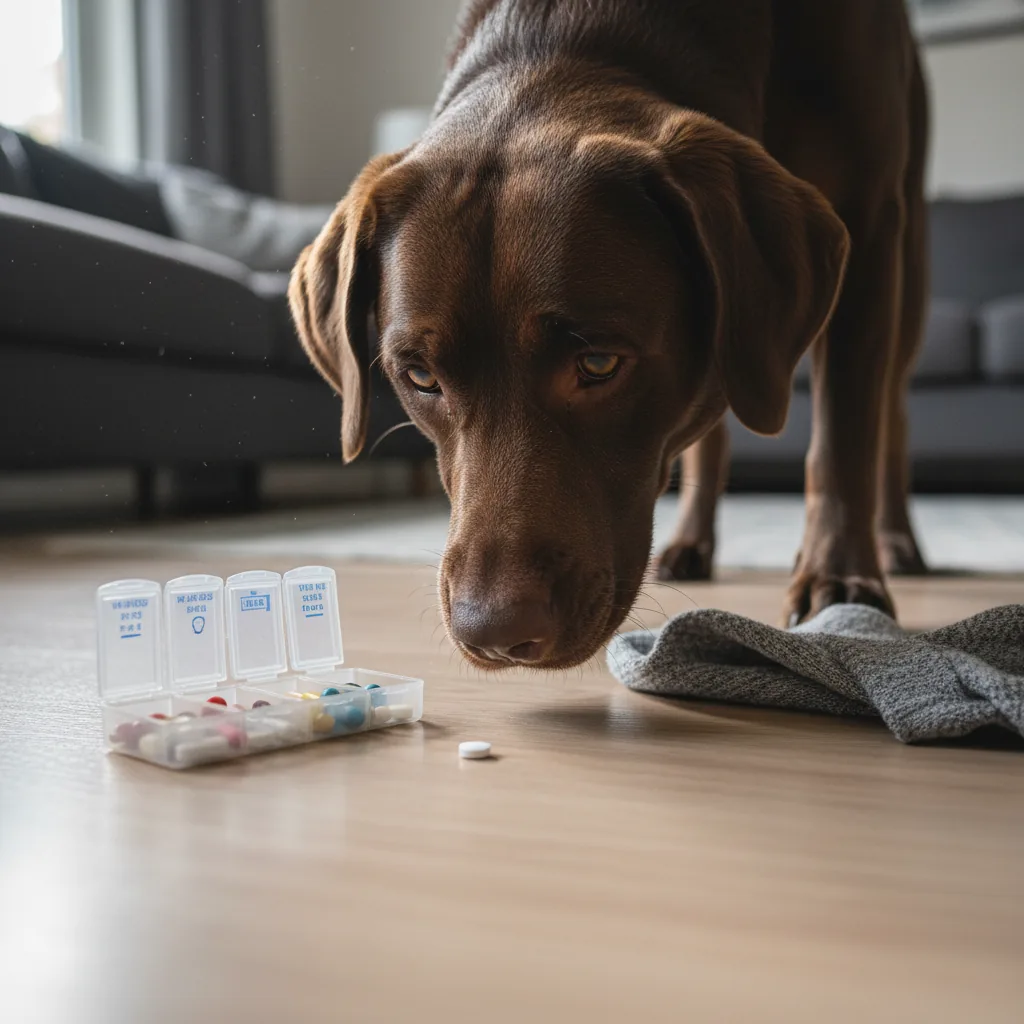
This is the #1 cause of emergency vet visits related to household exposure.
Dangerous medications include:
- Painkillers (ibuprofen, acetaminophen)
- Antidepressants
- ADHD medications
- Sleep aids
- Even flavored pet meds left within reach
Dogs don’t need large doses to suffer poisoning.
One dropped pill can be fatal for small dogs.
2. Electrical Cords and Chargers
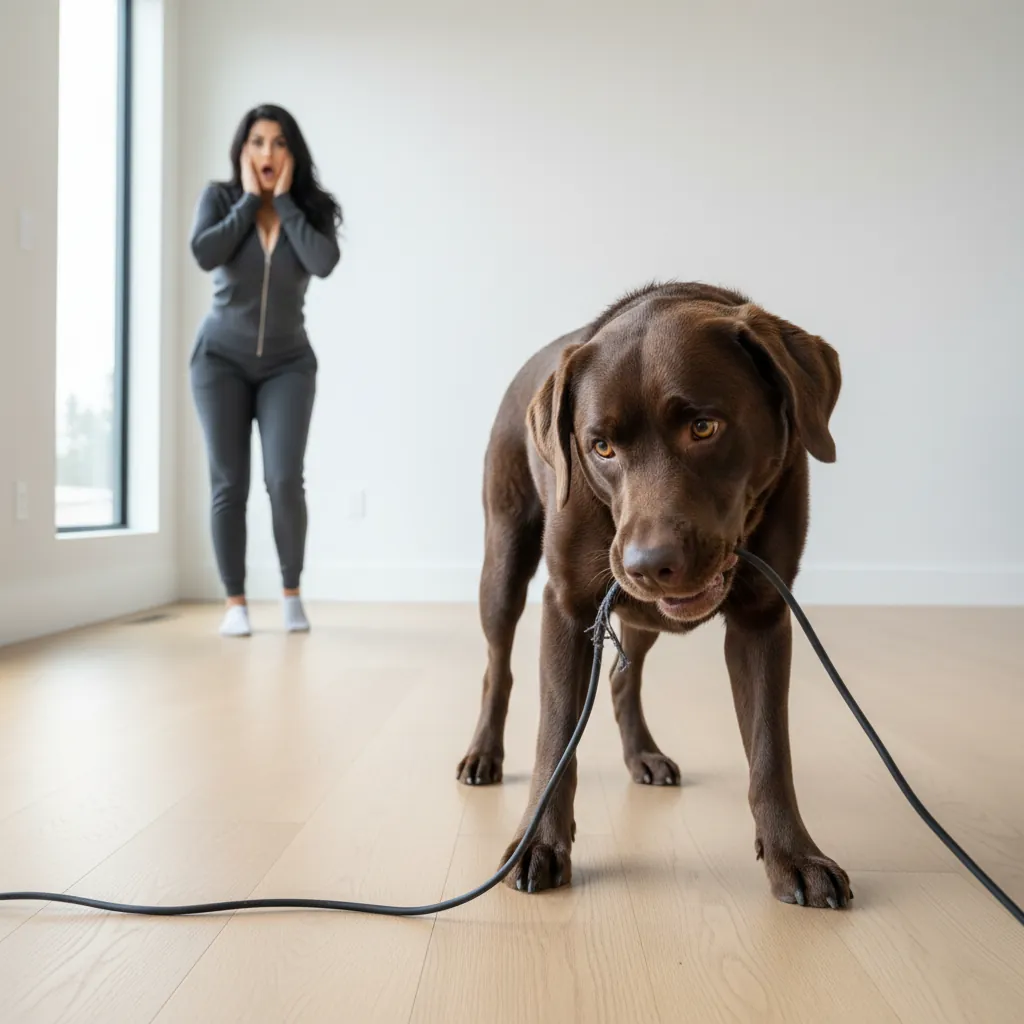
Puppies aren’t the only chewers.
Adult dogs chew electrical cords due to:
Risks include:
- Severe burns to the mouth
- Heart arrhythmias
- Instant electrocution
Phone chargers are especially dangerous because they’re thin and easy to bite through.
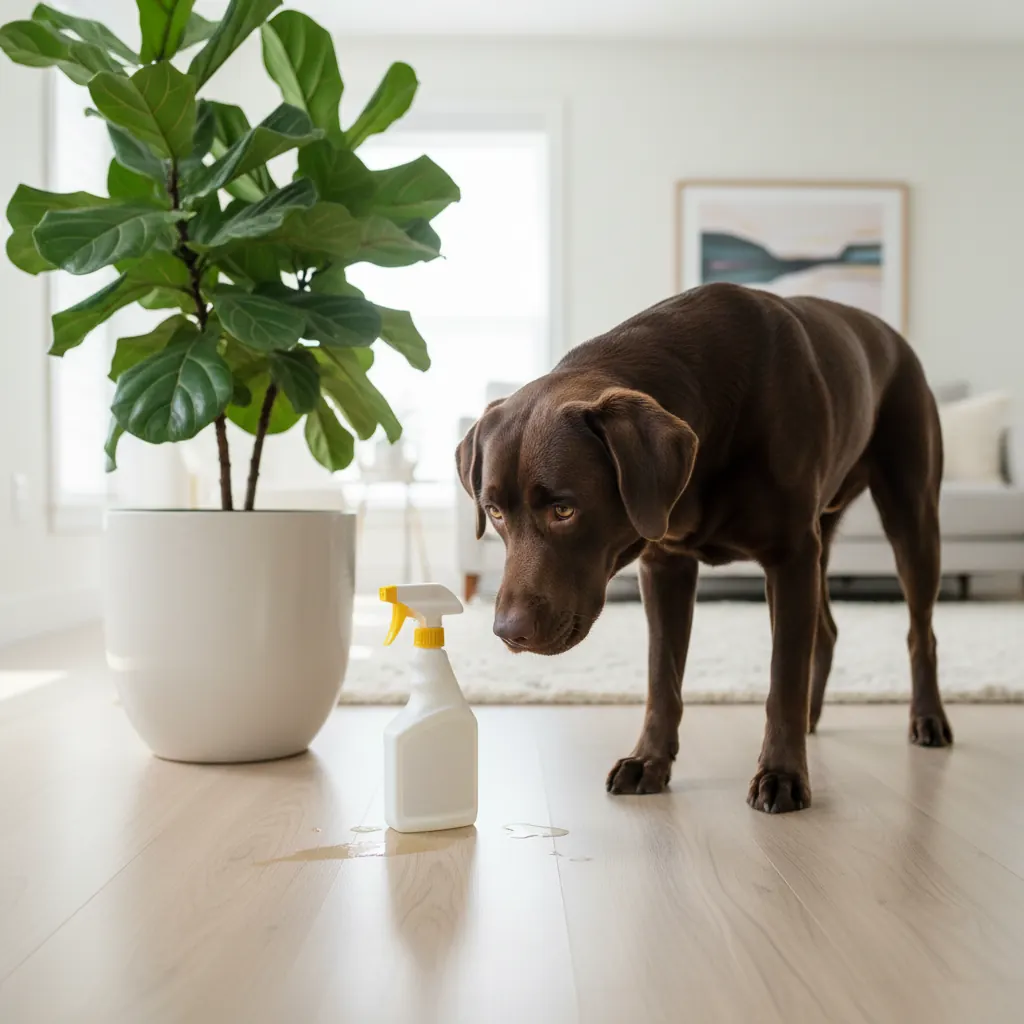
3. Cleaning Products and Disinfectants
Many cleaning agents contain:
- Bleach
- Ammonia
- Phenols
- Alcohols
Even “pet-friendly” labels don’t guarantee safety if ingested.
Dogs are exposed by:
- Licking freshly cleaned floors
- Chewing bottles
- Walking through residue and licking paws
Skin burns and internal damage can happen silently.
4. Certain Plants (Indoor and Decorative)
Some of the most common houseplants are toxic to dogs.
High-risk plants include:
- Lilies
- Sago palm
- Aloe vera
- Snake plant
- Peace lily
Even small ingestions can cause:
- Vomiting
- Organ failure
- Neurological signs
Decorative plants are often overlooked because they “look harmless.”
5. Small Objects That Can Be Swallowed
Dogs don’t choke the way humans do.
They swallow.
Dangerous items include:
- Socks
- Hair ties
- Children’s toys
- Bottle caps
- Corn cobs
These can cause intestinal blockages, requiring surgery.
If your dog:
- Vomits repeatedly
- Stops eating
- Acts restless
…a swallowed object is often the cause.
6. Trash Bins and Food Waste
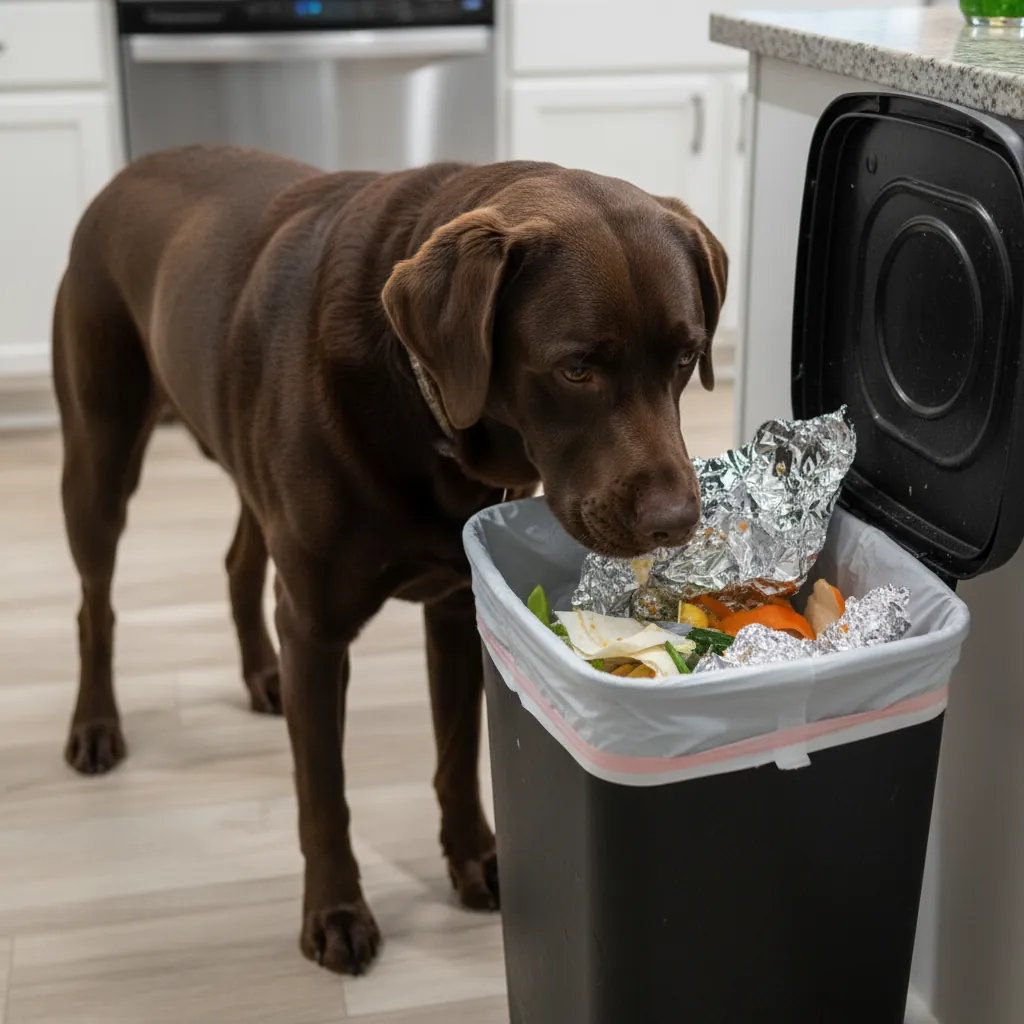
Garbage is a treasure chest to dogs.
But inside trash bins are:
- Spoiled food
- Bones
- Foil
- Coffee grounds
- Toxic leftovers
Bones splinter.
Foil causes blockages.
Spoiled food triggers pancreatitis.
Trash access is a leading cause of emergency surgery.
7. Essential Oils and Diffusers
A common misconception: “Natural means safe.”
Not for dogs.
Essential oils can cause:
- Respiratory distress
- Neurological signs
- Liver toxicity
High-risk oils include:
- Tea tree
- Eucalyptus
- Peppermint
- Clove
- Cinnamon
Diffusers concentrate exposure—especially in small rooms.
8. Candles, Wax Melts, and Air Fresheners
Beyond the fire risk, these items pose:
- Ingestion risk
- Chemical exposure
- Burns to mouth or paws
Scented wax products often contain xylitol-like sweeteners or toxic fragrance compounds.
9. Open Windows, Balconies, and Unsecured Screens
Dogs don’t understand height the way humans do.
Risks include:
- Falling through screens
- Jumping after birds
- Slipping on ledges
Even calm dogs can panic or react instinctively.
10. Human Food Left on Counters
Some of the most dangerous foods are common kitchen staples:
- Chocolate
- Grapes and raisins
- Onions and garlic
- Xylitol-containing products
- Alcohol
Dogs don’t need to steal much.
A single grape can be fatal to some dogs.
High-Risk Items vs Hidden Risks
| Item Type | Risk Level | Why It’s Dangerous |
|---|---|---|
| Medications | Extreme | Toxic at low doses |
| Cords | High | Burns, electrocution |
| Plants | High | Organ failure |
| Trash | High | Blockage, poisoning |
| Cleaning agents | Moderate–High | Chemical burns |
| Small objects | High | Intestinal blockage |
| Essential oils | Moderate–High | Respiratory toxicity |
Real-Life Vet Example
A healthy adult dog swallowed a sock while the owner was at work.
No choking.
No immediate pain.
Two days later:
- Vomiting
- Lethargy
- Emergency surgery
The sock came from the laundry basket.
Common item. Serious outcome.
Mistakes Dog Owners Commonly Make
Avoid these assumptions:
- “My dog isn’t a chewer”
- “It’s on the counter — they can’t reach it”
- “It’s natural, so it’s safe”
- “He’s grown out of that phase”
Most accidents happen during moments of normal routine.
Actionable Steps to Dog-Proof Your Home Today
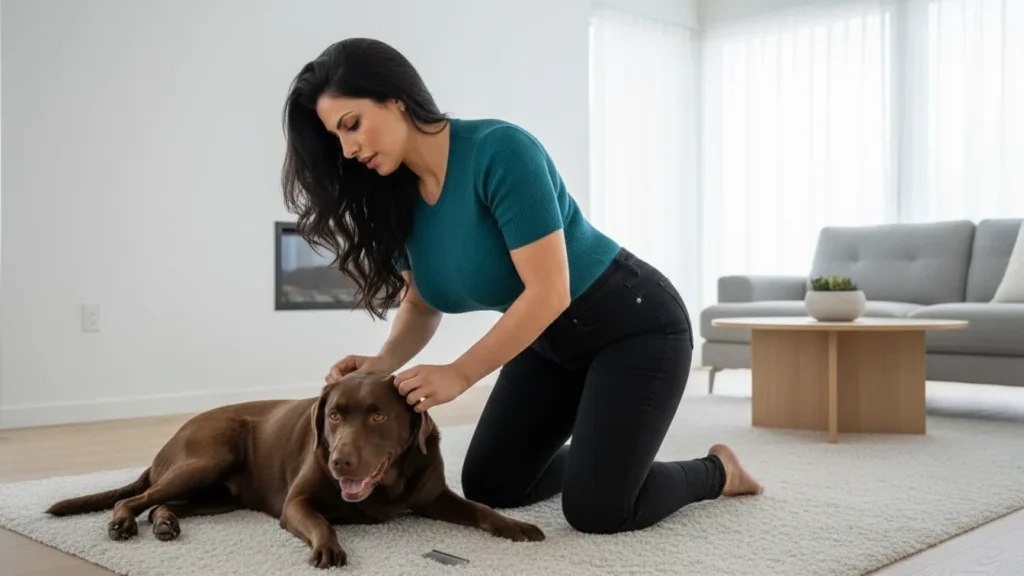
Do a Floor-Level Scan
Get on your hands and knees and look around.
If your dog can reach it, it’s a risk.
Use Locked Storage
- Child-proof medication cabinets
- Covered trash bins
- Cord organizers
Supervise High-Risk Areas
- Kitchen
- Bathroom
- Laundry room
Create Safe Zones
Use baby gates or closed doors when you’re away.
Why This Matters Today
Dogs are spending more time indoors than ever.
That means:
- More exposure to household hazards
- More unsupervised access
- Higher injury risk
The good news?
Most of these dangers are 100% preventable.
Key Takeaways
- Everyday household items cause serious dog injuries.
- Medications and small objects are the biggest threats.
- Natural doesn’t equal safe.
- Prevention is far easier than emergency treatment.
- A dog-proofed home saves lives.
FAQ: Dog Safety at Home
1. What is the most dangerous household item for dogs?
Human medications cause the highest number of poisonings.
2. Are puppies at higher risk than adult dogs?
Yes—but adult dogs are still frequently injured.
3. Can essential oils really harm dogs?
Yes. Inhalation and ingestion are both dangerous.
4. How do I know if my dog swallowed something?
Watch for vomiting, restlessness, loss of appetite, or abdominal pain.
5. Should I dog-proof even if my dog is calm?
Absolutely. Calm dogs still act on instinct.
Conclusion
Your home should be your dog’s safest place.
But safety doesn’t happen by accident.
Removing dangerous items today can prevent emergencies tomorrow—and give you peace of mind every time you walk out the door.
Because protecting your dog isn’t about fear.
It’s about preparation.

Dr. Sofia Romano, DVM, is an experienced veterinarian specializing in small-animal medicine and preventive care. She has treated thousands of cases using evidence-based diagnostics and modern clinical practices. Dr. Romano is dedicated to providing science-backed pet-health guidance that helps owners make informed decisions and improve their pets’ quality of life.


Pingback: 10 Foods You Didn’t Know Were Toxic For Dogs — Many Are Already In Your Kitchen