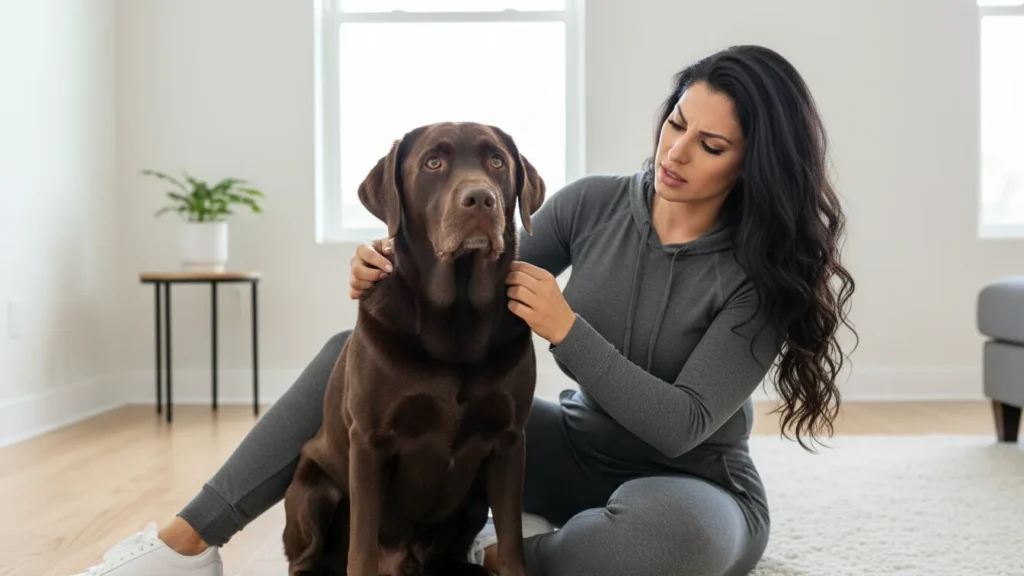
“When Your Dog’s Coat Changes — And You Can’t Explain Why”
You notice it during a cuddle.
Your dog’s fur doesn’t feel the same anymore.
It used to be:
- Soft
- Smooth
- Shiny under the light
Now it feels:
- Rough
- Dry
- Lifeless
No dramatic symptoms.
No obvious illness.
Just a subtle change — easy to ignore.
But here’s what many experienced vets and groomers agree on:
👉 A dog’s coat is one of the earliest mirrors of what’s happening inside the body and daily routine.
Dry or dull fur is rarely random.
It’s often a quiet signal — not of panic, but of imbalance.
This guide explores the hidden reasons your dog’s fur may be losing its shine, what those changes really mean, and how attentive owners can respond calmly and effectively.
Why Coat Health Matters More Than Appearance
A healthy dog coat isn’t about looks.
It reflects:
- Nutrition quality
- Skin hydration
- Grooming habits
- Environmental exposure
- Overall well-being
According to guidance shared by the American Kennel Club, coat and skin changes are among the most common early concerns noticed by dog owners — often before other issues appear.
Understanding coat changes early allows:
- Easier corrections
- Gentler interventions
- Better long-term comfort
🧬 1. Nutritional Gaps You Don’t Realize Exist
Even dogs eating “good” food can develop coat issues.
Why?
Because coat health relies on specific nutrients, not just calories.
Common Missing Links
- Essential fatty acids (omega-3 & omega-6)
- Zinc and biotin
- Quality protein
A diet can meet calorie needs yet still lack the building blocks for skin and fur.
Real-Life Example
Dogs switched abruptly to low-fat or poorly balanced diets often show coat dullness within weeks — long before weight changes appear.
💧 2. Chronic Mild Dehydration (More Common Than You Think)
Your dog drinks water.
But not always enough.
Especially if:
- Food is dry kibble only
- Activity levels are high
- Climate is dry or heated indoors
Why Hydration Affects Fur
Skin is one of the first tissues to show dehydration.
Even mild, ongoing water imbalance can lead to:
- Flaky skin
- Brittle fur
- Reduced natural oils
Adding moisture — not just water bowls — often helps.
🧴 3. Overbathing or the Wrong Shampoo
Clean doesn’t always mean healthy.
Many well-meaning owners bathe dogs too often.
What Happens
Frequent bathing or harsh shampoos:
- Strip natural oils
- Disrupt skin barrier
- Leave fur dry and dull
Hidden Tip
Human shampoos — even “gentle” ones — are not pH-balanced for dogs.
The result is dryness that builds gradually over time.
🌡️ 4. Indoor Heating and Air Conditioning
Modern comfort affects dogs too.
Air-conditioned or heated homes:
- Reduce humidity
- Dry skin and fur
- Increase static and brittleness
This is especially noticeable:
- In winter
- In climate-controlled apartments
- In short-coated breeds
Owners often mistake this for aging — when it’s environmental.
🪮 5. Infrequent or Incorrect Brushing
Brushing isn’t just cosmetic.
It’s biological support.
Why Brushing Matters
- Distributes natural skin oils
- Removes dead hair and skin
- Stimulates circulation
Without regular brushing:
- Oils stay uneven
- Fur looks flat
- Skin becomes congested
Different coat types need different brushing schedules — a common oversight.
🧠 6. Chronic Stress (Yes, It Shows in Fur)
Stress isn’t always dramatic.
It can be subtle:
- Changes in routine
- New environments
- Long periods alone
How Stress Affects Coat Health
Stress alters hormone balance, which can:
- Reduce oil production
- Slow hair regeneration
- Dull coat appearance
Many dogs with anxiety-related behaviors also show coat quality changes over time.
🧂 7. Too Many Treats, Too Little Balance
Treats are love.
But excessive treats — especially processed ones — can displace nutritional balance.
Common Issue
Dogs fill up on:
- Biscuits
- Table scraps
- Snacks
While missing essential nutrients from complete meals.
The coat often reflects this imbalance first.
🌿 8. Seasonal Coat Transitions
Not all dullness is a problem.
Dogs naturally shed and regrow coats seasonally.
What Owners Notice
- Temporary dryness
- Uneven texture
- Increased shedding
This phase can make fur look worse before it improves.
Supporting nutrition and grooming during these periods makes a big difference.
🧼 9. Product Buildup from Sprays and Conditioners
Leave-in sprays, perfumes, and coat enhancers may smell great.
But buildup can:
- Block follicles
- Dry out fur shafts
- Cause dull residue
Less is often more.
Minimal products + proper brushing usually outperform cosmetic-heavy routines.
🐕 10. Early Signals of Skin Sensitivity
Not every skin issue is obvious.
Some begin quietly.
Subtle signs include:
- Dull fur
- Mild flaking
- Slight texture change
While not diagnostic, these changes suggest the skin may need gentler care, diet support, or routine adjustments.
🔍 Comparison Table: Dull Fur Causes & Simple Fixes
| Hidden Cause | Why It Affects Fur | Supportive Action |
|---|---|---|
| Nutrient gaps | Weak hair structure | Review diet balance |
| Mild dehydration | Dry skin | Add moisture sources |
| Overbathing | Oil loss | Reduce bath frequency |
| Indoor air | Low humidity | Increase hydration |
| Poor brushing | Uneven oils | Brush regularly |
| Stress | Hormonal changes | Stabilize routine |
| Excess treats | Nutrient imbalance | Limit snacks |
| Seasonal shedding | Coat transition | Extra grooming |
| Product buildup | Follicle blockage | Simplify products |
| Skin sensitivity | Barrier disruption | Gentle care |
Mistakes Loving Owners Commonly Make
- Assuming dull fur is “just aging”
- Adding more products instead of fixing basics
- Changing food too often
- Ignoring hydration
Hidden Insight
Most coat improvements come from routine adjustments, not dramatic changes.
Why This Matters Today
Dogs live closer to humans than ever.
Indoor lifestyles, processed foods, and modern routines shape their health quietly.
The coat becomes a daily health report card — visible, honest, and early.
Noticing small changes now prevents bigger discomfort later.
✅ Key Takeaways
- Dry or dull fur is rarely random
- Nutrition, hydration, and grooming matter most
- Overbathing causes more harm than underbathing
- Stress and environment affect coat health
- Small changes create noticeable improvement
❓ Frequently Asked Questions
1. How long does it take to improve a dog’s coat?
Most changes appear within 4–8 weeks after routine or diet adjustments.
2. Does dull fur always mean poor health?
No. Many causes are lifestyle-related and easily corrected.
3. Are supplements always necessary?
Not always. Balanced diets and proper care often resolve the issue.
4. Can puppies get dull fur?
Yes, especially during growth or diet transitions.
5. Should I change shampoo immediately?
Only if bathing is frequent or products seem drying.
A Calm Way to Look at Coat Changes
Your dog’s fur isn’t just fur.
It’s feedback.
When you respond with curiosity instead of worry, solutions become simple.
Support the basics.
Observe gently.
Let the shine return naturally.
Disclaimer: This article is for general educational purposes only and does not replace personalized advice from a qualified veterinarian.

Dr. Sofia Romano, DVM, is an experienced veterinarian specializing in small-animal medicine and preventive care. She has treated thousands of cases using evidence-based diagnostics and modern clinical practices. Dr. Romano is dedicated to providing science-backed pet-health guidance that helps owners make informed decisions and improve their pets’ quality of life.
Pingback: Why Dogs Get Yeast Infections Repeatedly — The Hidden Triggers Most Owners Never Fix