You’re sitting on the couch, maybe hosting guests, maybe just enjoying a quiet Sunday afternoon — and then it happens.
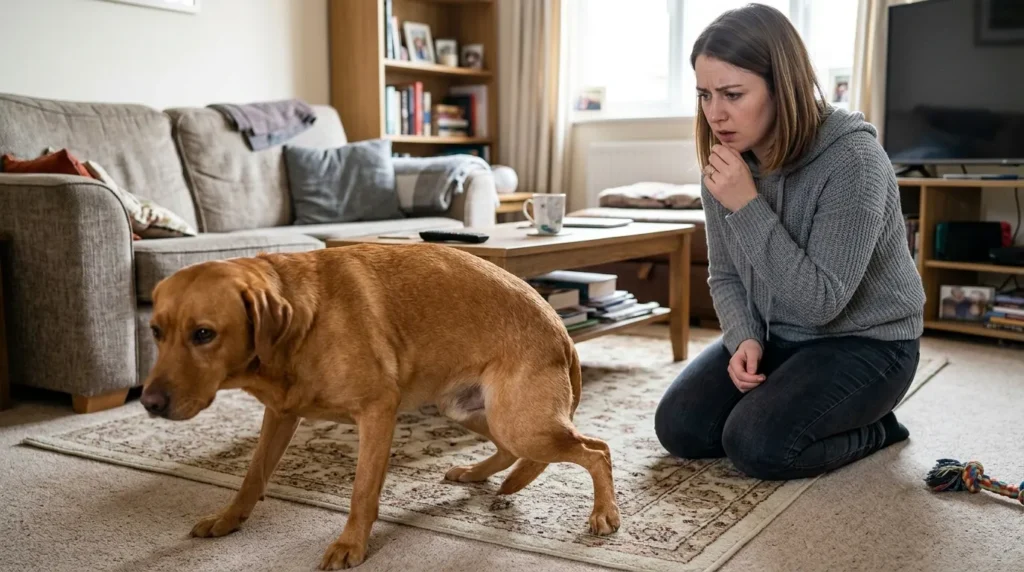
Your dog plants their rear end firmly on the floor and starts dragging themselves across the room like they’re auditioning for a very strange circus act.
It’s equal parts funny, embarrassing, and genuinely concerning.
If you’ve been Googling “why does my dog keep scooting?” at 11 PM with a flashlight and mild panic, you’re in the right place. Dog scooting is extremely common — nearly every dog owner witnesses it at some point — but it’s also a real signal that something is going on with your pup’s body that needs attention.
This isn’t just about carpet hygiene. Scooting can be a symptom of discomfort, infection, or an underlying health issue that, when caught early, is almost always easy to treat.
Let’s break it all down — clearly, thoroughly, and without the fluff.
What Exactly Is Dog Scooting?
Scooting refers to when a dog drags their hindquarters (their bottom) along the floor, grass, or carpet. It’s a self-soothing behavior — your dog is trying to relieve an itch, irritation, or pain in the anal or perianal region.
Dogs can’t exactly reach back there with their paws, so scooting is their version of scratching. Think of it like when you have an itch between your shoulder blades and you rub against a doorframe — resourceful, if a bit undignified.

The behavior itself isn’t dangerous. But what’s causing it often is. And that’s exactly what we’re going to unpack.
The 7 Most Common Causes of Dog Scooting
1. Anal Gland Problems (The #1 Cause)
This is the big one. About 90% of dog scooting cases are linked to anal glands — two small sac-like structures located on either side of your dog’s rectum at roughly the 4 and 8 o’clock positions.

These glands produce a strong-smelling fluid that dogs use to mark territory and communicate with other dogs (yes, that’s why dogs sniff each other’s behinds — they’re exchanging a lot of information). Normally, these sacs empty naturally when your dog poops.
But sometimes? They don’t.
What can go wrong:
- Impacted anal glands — The fluid thickens and doesn’t drain properly, causing uncomfortable pressure and fullness.
- Anal gland infection — Bacteria get in, the gland becomes inflamed and painful. Your dog might also lick the area obsessively or seem restless.
- Anal gland abscess — The worst-case scenario. An infected gland swells, turns red or purple, and can rupture. This is painful and requires immediate veterinary care.
Signs it’s anal gland–related:
- Scooting + scooting repeatedly
- Licking or biting at the base of the tail
- A fishy or unusually strong odor
- Visible swelling near the anus
- Straining or discomfort during bowel movements

Breeds that are more prone: Small breeds like Chihuahuas, Dachshunds, Beagles, Toy Poodles, and Cocker Spaniels tend to have more anal gland issues — but any dog can experience them.
What to do: See your vet. They (or a trained groomer) can manually express (empty) the glands. Do not attempt this yourself at home without training — improper expression can cause injury. If there’s infection involved, antibiotics and anti-inflammatories will be prescribed.
🔗 Learn more: American Kennel Club — Anal Gland Issues in Dogs
2. Intestinal Parasites (Worms)
If you notice what looks like small white rice-grain segments near your dog’s rear end, in their stool, or on their bedding — that’s tapeworm. And it’s one of the more common reasons dogs scoot, especially in puppies or dogs who haven’t been dewormed recently.

Common culprits:
- Tapeworms (Dipylidium caninum) — Often contracted from swallowing fleas. The segments they shed near the anus cause intense itching.
- Roundworms — Less commonly linked to scooting, but heavy infestations cause general discomfort.
- Pinworms — Actually very rare in dogs (more of a human problem), but worth mentioning since many people assume this.
Signs it’s parasite–related:
- Visible worm segments (look like sesame seeds or rice) in stool or near the anus
- Weight loss despite a good appetite
- Bloated abdomen
- Dull coat
What to do: Your vet will run a fecal examination to confirm the type of parasite and prescribe the right dewormer. Over-the-counter dewormers may not cover all types — always confirm with your vet first. Prevention = regular flea control and routine fecal testing (ideally twice a year).
🔗 Learn more: Cornell University College of Veterinary Medicine — Intestinal Parasites
3. Skin Allergies and Food Sensitivities
Dogs with allergies often experience intense itching — and that itching isn’t always on the legs or face. The perianal region is one of the most common hotspots for allergy-driven irritation.

Types of allergies that cause scooting:
- Food allergies — Proteins like chicken, beef, dairy, or wheat are common triggers. Dogs can develop sensitivities at any age, even to foods they’ve eaten for years.
- Environmental allergies (atopy) — Pollen, dust mites, mold, and grass can all trigger widespread itching including around the rear end.
- Contact allergies — Certain cleaning products, floor washes, or even laundry detergent used on bedding can cause localized irritation.
Signs it’s allergy–related:
- Scooting plus paw licking, ear infections, or facial rubbing
- Red, irritated skin around the anus
- Seasonal pattern (worse in spring/fall for environmental allergies)
- Soft stools or chronic diarrhea (often linked to food allergies)
What to do: Work with your vet to identify the trigger. For food allergies, an elimination diet (typically 8–12 weeks on a novel protein or hydrolyzed protein diet) is the gold standard for diagnosis. Environmental allergies may be managed with antihistamines, Apoquel, Cytopoint injections, or immunotherapy.
🔗 Learn more: PetMD — Food Allergies in Dogs
4. Poor Hygiene or Faecal Contamination

Sometimes, the answer is simpler than you think.
Loose stools, diarrhea, or soft poop can leave residue around your dog’s anus that dries and becomes itchy and irritating. Long-haired breeds are especially vulnerable — matted fur around the rear end can trap feces, creating what groomers call a “fecal mat” (or sometimes more colorfully, being “poopy butt”).
This is not a health crisis — but it is uncomfortable for your dog and should be addressed.
Signs it’s hygiene–related:
- Visible residue or matting around the anus
- Recent episodes of loose stools or diarrhea
- More common in fluffy breeds: Shih Tzus, Lhasa Apsos, Poodles, Old English Sheepdogs
What to do:
- Gently clean the area with pet-safe wipes or warm water
- Schedule a grooming appointment — a sanitary trim around the hindquarters does wonders
- Address the root cause of diarrhea (dietary change, stress, infection?) with your vet
5. Rectal Prolapse
Less common, but worth knowing. A rectal prolapse occurs when part of the rectum protrudes from the anus — usually after severe straining from diarrhea, constipation, or giving birth.
This is a medical emergency. The tissue is visible, red, and swollen. Your dog will scoot and strain and may cry in pain.
What to do: Rush to your vet or an emergency animal hospital immediately. Do not attempt to push it back in yourself.
6. Perianal Fistulas
This is a serious, painful condition most commonly seen in German Shepherds (though other breeds can develop it). Perianal fistulas are chronic, ulcerating lesions that form around the anus — essentially tunnel-like wounds in the skin.
The cause isn’t entirely understood, but it’s believed to involve immune system dysfunction and may be related to diet and bacterial infection.
Signs:
- Painful, foul-smelling sores around the anus
- Extreme reluctance to be touched near the tail
- Difficulty defecating
What to do: Immediate veterinary care. Treatment typically involves immunosuppressive medications (like cyclosporine), dietary changes, and sometimes surgery.
🔗 Learn more: VCA Animal Hospitals — Perianal Fistula
7. Tumors or Polyps Near the Anal Region
While rare, masses near the anal glands or rectum — including perianal adenomas (benign tumors common in intact males) or, less commonly, adenocarcinomas (malignant) — can cause scooting, straining, and discomfort.
Signs that warrant urgent investigation:
- Scooting in an older dog with no prior history of it
- Visible lumps or masses near the anus
- Blood in stool
- Sudden changes in bowel habits
What to do: Any suspected lump near your dog’s rear end should be evaluated by a vet promptly. Early diagnosis makes a massive difference in outcomes.
When Should You Call the Vet Immediately?

Most scooting is benign and treatable — but some situations demand urgent care. Call your vet right away if you notice:
- Visible tissue protruding from the anus
- Blood or pus around the anus
- A swollen, discolored lump near the anus
- Your dog is crying, whimpering, or seems in significant pain
- Scooting accompanied by inability to defecate
- Sudden weight loss or lethargy alongside scooting
When in doubt, call your vet. They’d much rather hear a “false alarm” than have you wait on something serious.
Diagnosis: What Your Vet Will Actually Do

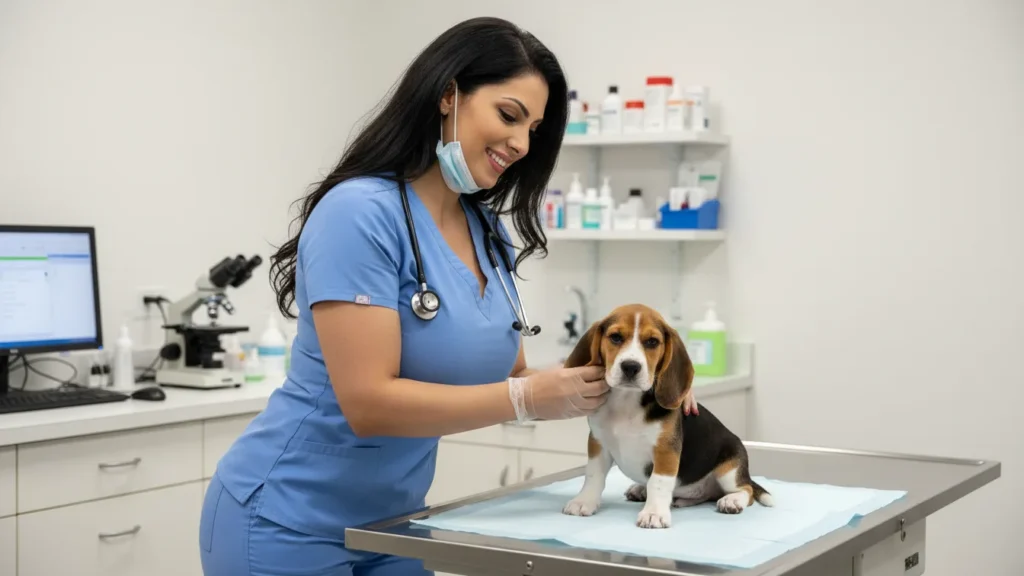
When you bring in a scooting dog, a good vet will typically:
- Take a full history — When did it start? Any dietary changes? Parasite prevention up to date?
- Visual inspection — Looking at the perianal region for inflammation, masses, fistulas, or prolapse.
- Anal gland palpation — Feeling the glands to check for fullness, swelling, or pain.
- Fecal examination — Checking for parasites.
- Skin cytology or allergy testing — If allergies are suspected.
- Blood work or imaging — In complex or recurring cases.
The process is quick in most cases, and often you’ll walk out the same day with a clear diagnosis and treatment plan.
Treatment Options: A Complete Guide
| Cause | Treatment |
|---|---|
| Anal gland impaction | Manual expression by vet or groomer |
| Anal gland infection | Antibiotics + anti-inflammatories |
| Anal gland abscess | Drainage, antibiotics, possible surgery |
| Tapeworms | Prescription dewormer (e.g., praziquantel) |
| Roundworms | Dewormer + flea prevention |
| Food allergy | Elimination diet + novel protein food |
| Environmental allergy | Antihistamines, Apoquel, Cytopoint |
| Fecal contamination | Cleaning + grooming + treat diarrhea |
| Perianal fistula | Immunosuppressants, diet, possible surgery |
| Tumor/polyp | Surgical removal ± biopsy |
| Rectal prolapse | Emergency surgical correction |
How to Prevent Dog Scooting in the Future

You can’t prevent every cause — but you can dramatically reduce the risk with these practical steps:
1. Keep Up With Anal Gland Maintenance
For dogs who are prone to anal gland issues, regular expression every 4–8 weeks can prevent impaction. Your vet or groomer can do this at routine visits.
2. Feed a High-Fiber Diet
Fiber adds bulk to stools, which naturally helps the anal glands empty on their own during defecation. Talk to your vet about adding canned pumpkin (plain, not pie filling), psyllium husk, or a high-fiber kibble to your dog’s diet.
3. Maintain a Healthy Weight
Overweight dogs have more anal gland problems. Keeping your dog at a healthy weight improves gland function and overall health.
4. Stay Current on Parasite Prevention
Monthly flea and tick prevention (topical or oral) also protects against tapeworms. Ask your vet about a year-round prevention plan that includes heartworm, flea, tick, and intestinal parasite coverage.
5. Schedule Regular Grooming
For fluffy and long-haired breeds, a sanitary trim every 6–8 weeks keeps the rear end clean and aerated.
6. Regular Vet Check-Ups
Annual (or bi-annual for senior dogs) wellness exams catch problems early — before they become painful or complicated.
A Quick Word About Home Remedies
You’ll find a lot of advice online suggesting coconut oil, apple cider vinegar, or warm compresses for scooting. While some of these may offer mild, temporary relief from surface irritation, they do not treat the underlying cause and could delay necessary veterinary care.
For example:
- Applying anything to an abscessed anal gland without professional drainage could make infection worse.
- A food allergy won’t improve with topical treatments.
- Worms require pharmaceutical intervention — there’s no dietary “cure.”
Use home care for comfort (gentle cleaning, keeping the area dry and clean) — but always follow up with a vet.
Real Talk: What Dog Owners Often Get Wrong
Here are a few common misconceptions about scooting:
“My dog is just being gross/silly.” Scooting is never behavioral or “just for fun.” It always indicates physical discomfort. Take it seriously.
“It’ll go away on its own.” Sometimes it does — but impacted anal glands won’t self-resolve, infections can worsen, and parasites won’t disappear without treatment.
“If my dog is scooting, they definitely have worms.” Not necessarily. Anal gland issues are far more common. Don’t self-diagnose or self-treat without a fecal test.
“I can express the anal glands myself.” Some people do learn to do external expression at home — but this should only be done after being trained by a vet and is not appropriate for infected or abscessed glands.
Frequently Asked Questions
Q: How often should anal glands be expressed?
It depends on your dog. Some dogs never need manual expression. Others — especially small breeds or dogs with recurrent issues — may need it every 4–8 weeks. Your vet can guide you based on your dog’s history.
Q: Can scooting cause infection?
Yes. The act of scooting on unclean surfaces can introduce bacteria to an already irritated area, worsening any existing infection or skin inflammation.
Q: Is scooting more common in certain breeds?
Yes — small and toy breeds (Dachshunds, Chihuahuas, Beagles) and certain larger breeds (German Shepherds) have higher rates of anal gland issues and perianal fistulas, respectively.
Q: Can diet actually cause scooting?
Absolutely. Both food allergies and low-fiber diets contribute directly to scooting. Diet is one of the most impactful variables you can control.
Q: My puppy is scooting — is this normal?
Puppies can scoot due to parasites (very common in young dogs), teething-related digestive upset, or early anal gland issues. A vet check is recommended.

Final Thoughts: Don’t Ignore the Scoot
Here’s the thing about scooting: your dog is telling you something. In their own fumbling, floor-dragging, slightly embarrassing way — they’re saying “something feels wrong back there, and I need help.”
The good news is that the vast majority of scooting cases are completely treatable, often with a single vet visit. Anal gland expression takes about two minutes. Dewormers work quickly. Dietary adjustments can transform a chronically itchy, scooting dog into a comfortable, happy one.
So the next time your pup goes full carpet surfer, don’t laugh it off (okay, maybe a little) — but do book that vet appointment. Your dog will thank you.
📌 Disclaimer: This article is for informational purposes only and is not a substitute for professional veterinary advice. Always consult a licensed veterinarian for diagnosis and treatment of your pet’s health conditions.
🔗 Helpful External Resources
- American Kennel Club — Why Do Dogs Scoot?
- VCA Animal Hospitals — Anal Sac Disease in Dogs
- PetMD — Dog Scooting
- ASPCA — Parasites
- Merck Veterinary Manual — Diseases of the Rectum and Anus

Dr. Sofia Romano, DVM, is an experienced veterinarian specializing in small-animal medicine and preventive care. She has treated thousands of cases using evidence-based diagnostics and modern clinical practices. Dr. Romano is dedicated to providing science-backed pet-health guidance that helps owners make informed decisions and improve their pets’ quality of life.