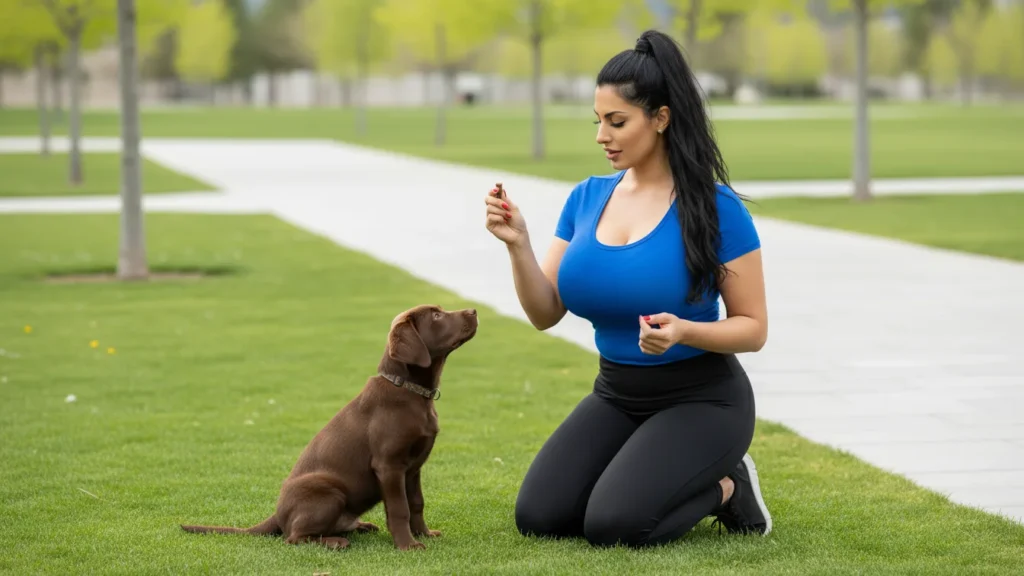
“The Moment Every Puppy Parent Experiences”
You hold a tiny treat between your fingers.
Your puppy’s eyes lock onto it instantly.
Tail wagging.
Ears alert.
Full attention.
In that moment, treats aren’t just snacks — they’re communication tools.
But here’s what many new puppy owners don’t realize until they’ve made a few mistakes:
👉 Not all dog treats are safe or effective for puppies.
Some are too hard.
Some are packed with fillers.
Some slow training instead of helping it.
Professional trainers and veterinarians don’t choose treats randomly. They look for specific qualities that support learning, digestion, and healthy development.
This guide breaks down the best dog treats for puppies that experts actually trust — and why they work.
Why Puppy Treats Are Different from Adult Dog Treats
Puppies aren’t small dogs.
Their bodies are still developing:
- Teeth are delicate
- Digestive systems are sensitive
- Attention spans are short
That means puppy treats must be:
- Soft or easily breakable
- Low in calories
- Highly palatable
- Easy to digest
Organizations like the American Kennel Club consistently emphasize that rewards used during early training shape lifelong habits — both behavioral and nutritional.
Choosing the right treat isn’t indulgence.
It’s strategy.
What Trainers & Vets Look for in Puppy Treats
Before we list specific options, it helps to understand how professionals evaluate treats.
Core Criteria Experts Agree On
- Soft texture (protects developing teeth)
- Small size (allows frequent rewards)
- Simple ingredient list
- Strong aroma (grabs attention fast)
- Low fat and salt
Hidden Tip Most Owners Miss
The best puppy treats are often boring to humans.
No bright colors.
No strong seasoning.
No gimmicks.
Dogs don’t care about packaging — they care about smell and reward timing.
🥇 1. Soft Training Treats (The Gold Standard)
Ask any professional trainer what they use daily, and this category comes up first.
Why Experts Love Them
- Easy to chew and swallow
- Can be given rapidly during training
- Don’t interrupt focus
Soft treats allow:
- Faster learning
- More repetitions
- Better timing
Real-Life Example
In basic obedience classes, trainers may reward a puppy 20–30 times in a few minutes. Hard treats would slow everything down.
🥈 2. Single-Ingredient Freeze-Dried Treats
These treats are simple, powerful, and widely trusted.
Why They Work So Well
- Usually just one ingredient (like chicken or liver)
- Strong natural aroma
- Minimal processing
They’re often recommended by vets because they:
- Reduce allergy risk
- Are easy to digest
- Offer predictable nutrition
How to Use Them
Break into tiny pieces — a little goes a long way.
🥉 3. Boiled Chicken (Trainer Favorite for Distractions)
This isn’t fancy.
That’s the point.
Why Professionals Use It
- Extremely high value to puppies
- Familiar protein source
- No additives
Boiled, unseasoned chicken is often used when:
- Teaching recall
- Working around distractions
- Training nervous puppies
Common Mistake
Using too much at once. Keep portions tiny.
⭐ 4. Puppy-Specific Commercial Treats
Not all store-bought treats are bad — but puppy-specific ones matter.
What Makes Them Different
- Formulated for young digestive systems
- Softer texture
- Lower calorie density
Look for:
- “Puppy” clearly labeled
- Short ingredient lists
- No artificial coloring
Veterinarians often approve these because they’re designed with growth in mind.
⭐ 5. Plain Greek Yogurt (Occasional High-Value Reward)
Used sparingly, this can be effective.
Why It’s Used
- High palatability
- Soft texture
- Easy to lick
Important Rule
- Plain only
- No sugar
- No sweeteners
This works best for:
- Lick mats
- Calm training
- Grooming desensitization
⭐ 6. Mashed Sweet Potato (Homemade Option)
Naturally sweet and gentle.
Benefits
- Easy to digest
- Soft and mashable
- No additives
Many trainers use it as a spreadable reward for calm behaviors.
⭐ 7. Tiny Kibble Portions (Often Overlooked)
Sometimes the best treat is already in the bowl.
Why This Works
- Prevents overfeeding
- Maintains nutritional balance
- Reduces treat dependency
Use part of the daily food allowance during training sessions.
❌ Puppy Treat Mistakes Trainers See Every Day
Even well-meaning owners often:
- Use treats that are too large
- Overfeed during training
- Choose hard chews too early
- Switch treats constantly
Hidden Consequence
Too-rich treats can:
- Cause loose stools
- Reduce motivation
- Create picky eating habits
Consistency matters more than variety.
🔍 Comparison Table: Best Puppy Treat Options
| Treat Type | Texture | Best For | Expert Rating |
|---|---|---|---|
| Soft training treats | Very soft | Everyday training | ⭐⭐⭐⭐⭐ |
| Freeze-dried meat | Soft/breakable | High-value rewards | ⭐⭐⭐⭐⭐ |
| Boiled chicken | Soft | Distraction training | ⭐⭐⭐⭐ |
| Puppy-specific treats | Soft | Daily use | ⭐⭐⭐⭐ |
| Plain yogurt | Lickable | Calm behaviors | ⭐⭐⭐ |
| Sweet potato mash | Soft | Gentle rewards | ⭐⭐⭐ |
| Kibble | Crunchy | Frequent training | ⭐⭐⭐⭐ |
Why This Matters Today
Puppyhood shapes everything:
- Confidence
- Focus
- Trust
- Learning speed
The right treats:
- Accelerate training
- Reduce frustration
- Build positive associations
The wrong ones:
- Slow progress
- Cause digestive upset
- Create bad habits early
What you reward with today becomes behavior tomorrow.
✅ Key Takeaways
- Puppies need soft, simple, low-calorie treats
- Trainers value speed and timing over novelty
- Single-ingredient treats reduce risk
- Treat size matters more than treat price
- Consistency beats constant switching
❓ Frequently Asked Questions
1. How many treats can a puppy have per day?
Treats should stay under 10% of daily calories.
2. Are store-bought puppy treats safe?
Many are, if clearly labeled for puppies and free of artificial additives.
3. Can I use human food as treats?
Yes — if plain, unseasoned, and given in small amounts.
4. When can puppies have harder treats?
Usually after adult teeth come in, and only if vet-approved.
5. Should I rotate treats often?
No. Stick with a few reliable options to avoid digestive issues.
A Simple Way to Choose the Right Treat
If a treat is:
- Soft
- Small
- Smelly
- Simple
You’re probably on the right track.
The best puppy treats don’t look exciting — they make learning exciting.
That’s what trainers and vets truly swear by.
Disclaimer: This article is for general educational purposes only and does not replace guidance from your veterinarian or a qualified dog trainer.
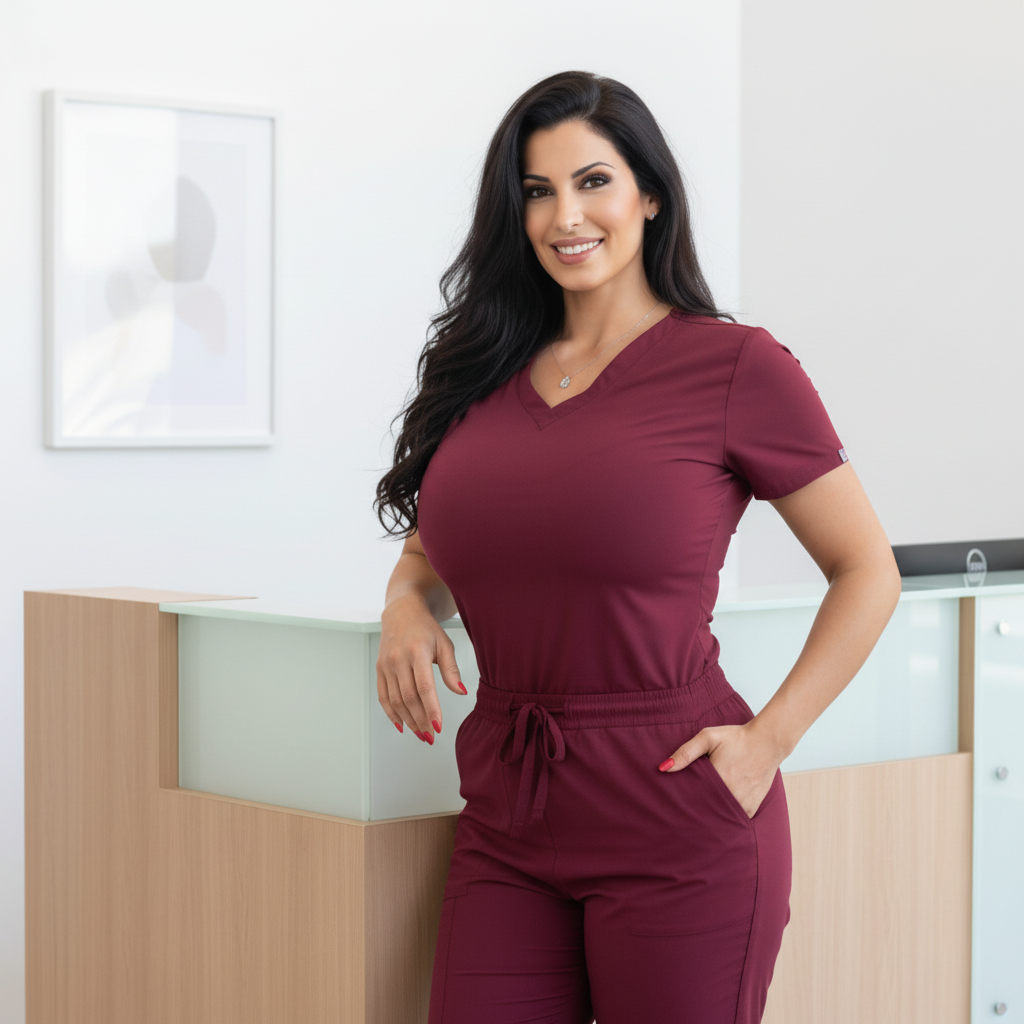
Dr. Sofia Romano, DVM, is an experienced veterinarian specializing in small-animal medicine and preventive care. She has treated thousands of cases using evidence-based diagnostics and modern clinical practices. Dr. Romano is dedicated to providing science-backed pet-health guidance that helps owners make informed decisions and improve their pets’ quality of life.
Pingback: 5 Dangerous Dog Treats You Should Never Buy Again — What Most Labels Won’t Tell You