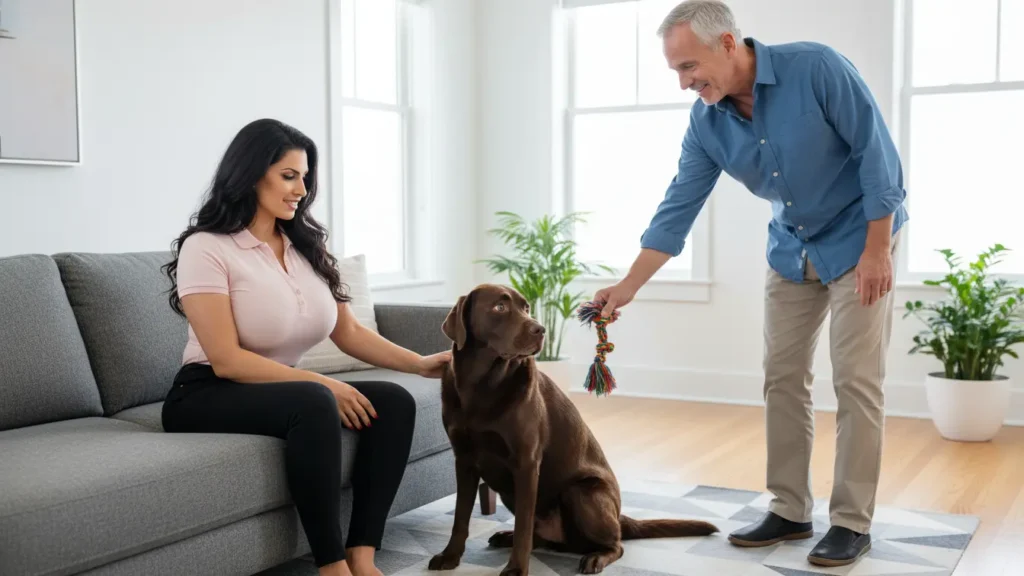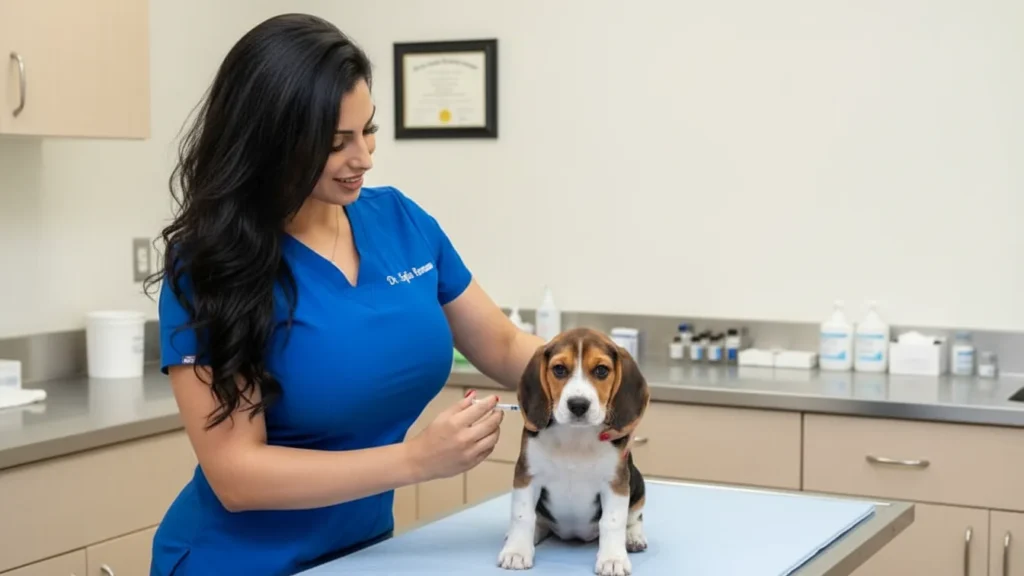
Your dog trots into the vet office wagging his tail, gets a couple of quick injections, and comes home… not quite himself. He skips dinner. He turns down a walk he’d normally beg for. He sleeps most of the afternoon in a spot he doesn’t usually nap in. It’s easy to worry that something has gone wrong.
For the overwhelming majority of dogs, nothing has gone wrong at all. What you’re seeing is a well-documented, temporary side effect of a healthy immune system doing exactly what a vaccine is designed to make it do.
It’s Usually the Immune System Working as Designed
There’s real neuroscience behind that “off” feeling, and it isn’t unique to dogs — it’s the same biological process behind why humans feel run down after a flu shot or a cold. When the immune system detects and responds to a vaccine, immune cells release proteins called pro-inflammatory cytokines, including interleukin-1 and related molecules. These cytokines don’t just coordinate the immune response locally — they also act directly on the brain, producing a recognizable, coordinated set of changes that researchers call “sickness behavior”: reduced activity, less interest in food, more sleep, and withdrawal from normal social interaction.
This response isn’t a malfunction. It’s considered an adaptive strategy that likely evolved to help a body conserve energy and focus its resources on fighting off a threat, whether that threat is a real infection or, in the case of a vaccine, a controlled, harmless version of one. In other words, a dog acting a little subdued after his shots is showing a sign that his immune system noticed the vaccine and responded appropriately — which is the entire point of vaccination in the first place.
What’s Actually Normal
Major veterinary authorities are consistent about what a typical post-vaccine reaction looks like. According to guidance from the American Veterinary Medical Association, common and expected side effects include mild fever, reduced appetite, and general lethargy, along with soreness, mild swelling, or a small firm lump at the injection site. These effects are considered mild side effects that usually resolve on their own within about 24 hours, sometimes lingering a bit longer for the injection-site swelling.
Puppies, whose immune systems are still developing and encountering many of these antigens for the very first time, tend to show these effects somewhat more noticeably than adult dogs who’ve been vaccinated before. Multiple vaccines given in a single visit can also compound the effect, simply because the immune system is responding to more than one stimulus at once.
Behavior Changes vs. a Medical Emergency
The key distinction owners need to know is the difference between ordinary sickness behavior and a true allergic reaction, which is rare but requires immediate veterinary attention. According to AVMA guidance, signs that warrant urgent care include persistent vomiting or diarrhea, hives or itchy, bumpy skin, swelling of the face, muzzle, or around the eyes, severe coughing or difficulty breathing, or collapse. These signs typically appear within minutes to a few hours of vaccination, not the next day, and they look qualitatively different from ordinary tiredness — this is your body’s early-warning system, not just a subdued mood.
Mild lethargy and reduced appetite that last a day or two, without any of those emergency signs, fall squarely into the range veterinary guidelines describe as normal and self-resolving.
Why Some Dogs React More Than Others
Not every dog experiences the same degree of post-vaccine behavior change, and veterinary guidelines point to a few consistent factors. Age plays a role at both ends of the spectrum — puppies with immune systems still learning to respond, and senior dogs, whose immune function can decline somewhat with age in a process called immunosenescence. The number of vaccines administered in a single visit matters too, since a broader immune challenge can produce a more noticeable response. Individual variation also plays a significant part: just as some people barely notice a flu shot while others feel wiped out for a day, dogs vary in how strongly their immune system responds to the same vaccine. A dog’s prior history matters as well — veterinarians generally recommend flagging any past reaction, however mild, since it can inform decisions about spacing vaccines further apart or providing supportive treatment beforehand.
What Owners Can Do
- Plan for a quiet day. Skip strenuous exercise or long training sessions the day of and the day after vaccination, and let your dog rest if that’s what they want to do.
- Keep an eye on the injection site. Mild swelling or tenderness is normal; contact your vet if a lump persists beyond a few weeks, grows larger, or seems painful.
- Watch the clock, not just the symptoms. Ordinary lethargy and appetite loss show up hours to a day after vaccination and fade within a day or two; true allergic reactions tend to appear much faster and look more dramatic.
- Ask about a monitored wait for at-risk dogs. If your dog has reacted before, many veterinarians recommend staying at the clinic for 30 to 60 minutes after vaccination so any rare, fast-developing reaction can be treated immediately.
- Loop in your vet before the next round. Mentioning any past reaction lets your veterinarian consider spacing vaccines out over multiple visits or providing preventive treatment beforehand.
A quiet, sleepy dog the evening after a vet visit isn’t a sign that something’s wrong — in most cases, it’s a sign that everything is going exactly right.
Sources
- American Veterinary Medical Association — Vaccinating Your Pet
- VCA Animal Hospitals — Care for Your Pet After Vaccination
- American Animal Hospital Association — Postvaccination Adverse Events and Reactions
- Nature Reviews Neuroscience — Dantzer et al., “From Inflammation to Sickness and Depression: When the Immune System Subjugates the Brain”
- PetMD — What To Know About Possible Vaccine Reactions in Dogs

Dr. Sofia Romano, DVM, is an experienced veterinarian specializing in small-animal medicine and preventive care. She has treated thousands of cases using evidence-based diagnostics and modern clinical practices. Dr. Romano is dedicated to providing science-backed pet-health guidance that helps owners make informed decisions and improve their pets’ quality of life.