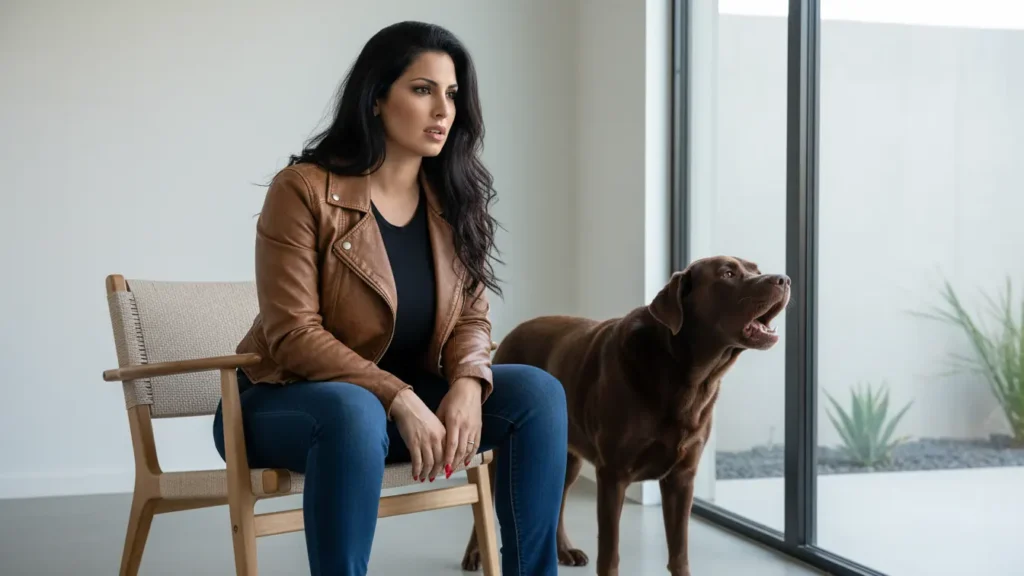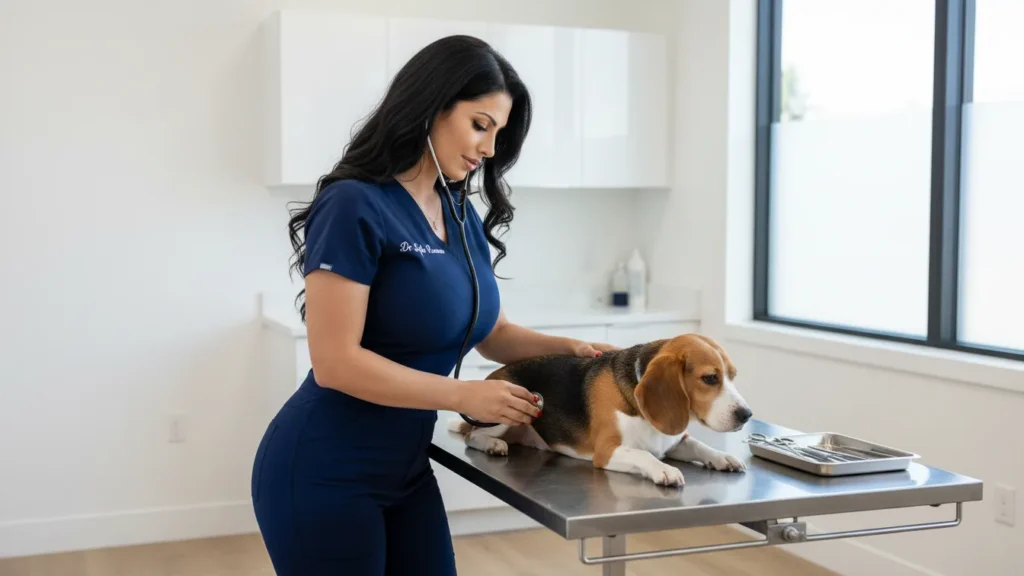
The surgery went fine. The vet said recovery looks great. Physically, your dog is healing right on schedule.
And yet something’s different. They flinch when you reach toward their side. They’re suddenly clingy in a way they never used to be. They startle at sounds that never bothered them before, or refuse to settle in the same spot they used to nap in every day.
It’s confusing, because nothing “went wrong.” But post-surgical anxiety in dogs is more common than most owners realize — and it has very little to do with the surgery being botched, and everything to do with how a dog’s brain and body process an experience that, from their perspective, was genuinely disorienting and at times frightening, even during a routine, well-executed procedure.
Surgery Isn’t Just Physical for a Dog — It’s a Full Sensory Disruption
From a dog’s point of view, a surgical experience involves an enormous number of unfamiliar, uncontrollable events happening in rapid succession: being handled by strangers, restrained, injected, having sensation altered or removed, losing consciousness, and waking up disoriented, often in an unfamiliar space, sometimes in pain, frequently unable to see their owner.
Veterinary behaviorists note that this sequence — loss of control, unfamiliar handling, and disrupted consciousness — shares structural similarities with situations known to produce anxiety and stress responses in animals generally, regardless of whether physical pain was well-managed. The medical outcome can be excellent while the experience itself still registers as significant and disorienting to the dog’s nervous system.
What’s Actually Driving the Anxiety
1. Anesthesia Affects the Brain, Not Just Consciousness
Anesthesia doesn’t just turn awareness off and back on cleanly. Post-anesthetic dogs commonly experience a period of altered cognition — confusion, disorientation, temporary changes in how they process sound and light, and in some cases, transient behavioral changes that can persist for days after the drug itself has cleared the system.
Veterinary literature describes this broader category as post-anesthetic behavioral changes, which can include increased anxiety, clinginess, vocalization, or unusual reactivity in the days following a procedure, even when recovery is otherwise proceeding normally.
2. Pain Perception Doesn’t End When Medication Does
Even with appropriate pain management, dogs may experience intermittent discomfort during recovery — at incision sites, in surrounding muscle tissue, or from restricted movement (like wearing a cone or being confined). Because dogs can’t verbally communicate fluctuating pain levels, that discomfort often shows up behaviorally instead: increased guarding of the area, flinching at anticipated touch, or general irritability and restlessness.
This is one of the most common and most overlooked contributors to what looks like “unexplained” post-surgical anxiety. The dog isn’t anxious for no reason — they’re anxious because their body still hurts sometimes, and they have no way to tell you clearly when.
3. Loss of Environmental Control Has Lasting Effects
During recovery, dogs frequently experience an extended period of restricted movement, confinement, and controlled handling — often necessary for healing, but also a significant departure from their normal autonomy. Restricted movement combined with an inability to fully engage in normal coping behaviors (running to a safe space, moving away from discomfort, engaging in normal play or exercise) can produce a state sometimes described in behavioral science as learned helplessness-adjacent stress — not full learned helplessness, but a milder version where a temporary loss of control leaves lingering hypervigilance even after normal movement resumes.
4. The Cone, Bandages, and Physical Restrictions Are Genuinely Stressful
Elizabethan collars, bandages, and surgical garments — while medically necessary — restrict a dog’s normal sensory experience, peripheral vision, and ability to groom, all of which can independently contribute to stress. Some dogs adapt to these quickly; others experience measurable anxiety responses specifically tied to the restriction itself, separate from any pain or medical concern.
5. Association and Memory
Dogs are capable of forming strong associative memories, and a surgical experience — particularly one involving fear, restraint, or pain — can become linked to specific locations, people, sounds, or even scents present during the event (like the smell of a veterinary clinic, the sound of clippers, or the sensation of being lifted a certain way). This can produce anxiety responses triggered by seemingly unrelated cues weeks or months after full physical recovery, especially around future vet visits.
Why Some Dogs Bounce Back Quickly and Others Don’t
- Prior veterinary experience matters. Dogs with positive, low-stress associations with vet visits (sometimes built through “fear-free” veterinary practices) tend to show less post-surgical anxiety than dogs with limited or negative prior exposure.
- Temperament plays a role. Naturally anxious or under-socialized dogs generally have a lower threshold for stress recovery and may take longer to return to baseline after any significant disruption.
- Age matters. Very young and senior dogs often show more pronounced post-anesthetic behavioral changes, partly due to differences in how their bodies metabolize anesthesia and process recovery.
- Type and length of procedure matters. Longer procedures, more invasive surgeries, and extended hospital stays are generally associated with a higher likelihood of noticeable post-operative behavioral changes.
What Helps
- Give it time before assuming a permanent change. Most post-surgical anxiety noticeably improves within one to three weeks as physical healing progresses and normal routine resumes.
- Reintroduce normal routine gradually, since predictable patterns help rebuild a dog’s sense of environmental control.
- Manage pain proactively, not just reactively — follow your vet’s full pain management plan even once your dog seems “fine,” since dogs are skilled at masking discomfort.
- Avoid forcing interaction with the surgical site or discomfort areas, giving your dog agency to approach handling at their own pace where medically appropriate.
- Rebuild positive associations with the vet clinic through low-stress visits (treats, brief friendly check-ins with no procedure involved) once your dog has fully healed, especially if anxiety around future appointments has developed.
- Talk to your vet if anxiety persists beyond a few weeks, worsens instead of improves, or is paired with other concerning symptoms, since ongoing pain or a separate underlying issue should be ruled out.
The Bigger Picture
Post-surgical anxiety isn’t a sign that anything was done wrong — medically or as an owner. It’s a reasonable response to a genuinely disorienting experience: altered consciousness, temporary loss of control, unfamiliar handling, and a recovery period that asks a dog to hold still and heal in a body that, for a while, doesn’t quite feel like their own.
With patience, consistency, and time, most dogs recover behaviorally just as fully as they do physically. The anxiety isn’t permanent — it’s a phase of healing that simply looks a little different from the outside.
Sources
- American Veterinary Society of Animal Behavior – Position Statements on Fear-Free Veterinary Care
- American Kennel Club – Post-Surgery Recovery and Behavior in Dogs
- ASPCA – Managing Stress and Anxiety During Recovery
- Cornell University College of Veterinary Medicine – Post-Anesthetic Care and Behavioral Monitoring
- Journal of Veterinary Behavior – Stress Responses to Veterinary and Surgical Procedures

Dr. Sofia Romano, DVM, is an experienced veterinarian specializing in small-animal medicine and preventive care. She has treated thousands of cases using evidence-based diagnostics and modern clinical practices. Dr. Romano is dedicated to providing science-backed pet-health guidance that helps owners make informed decisions and improve their pets’ quality of life.