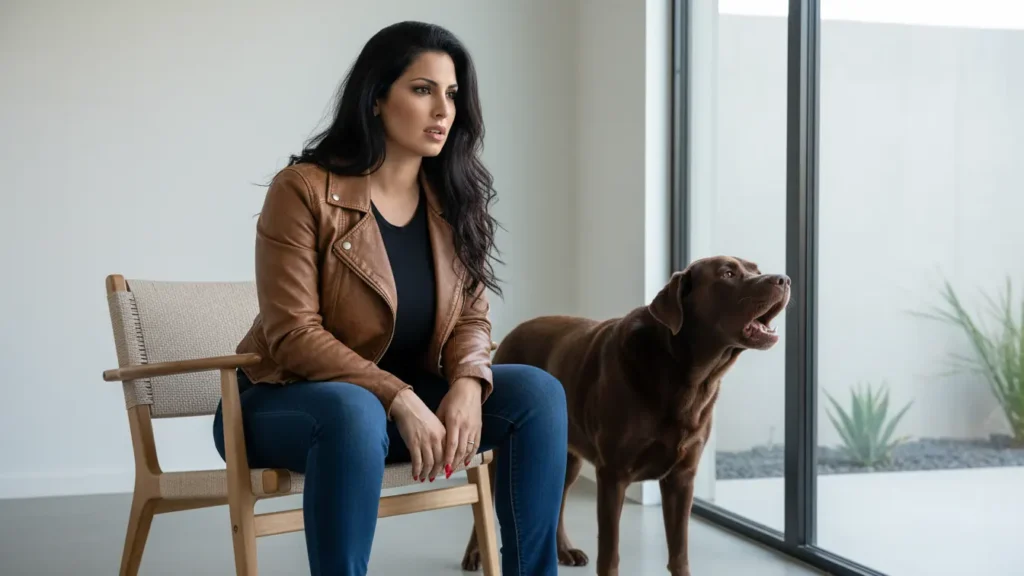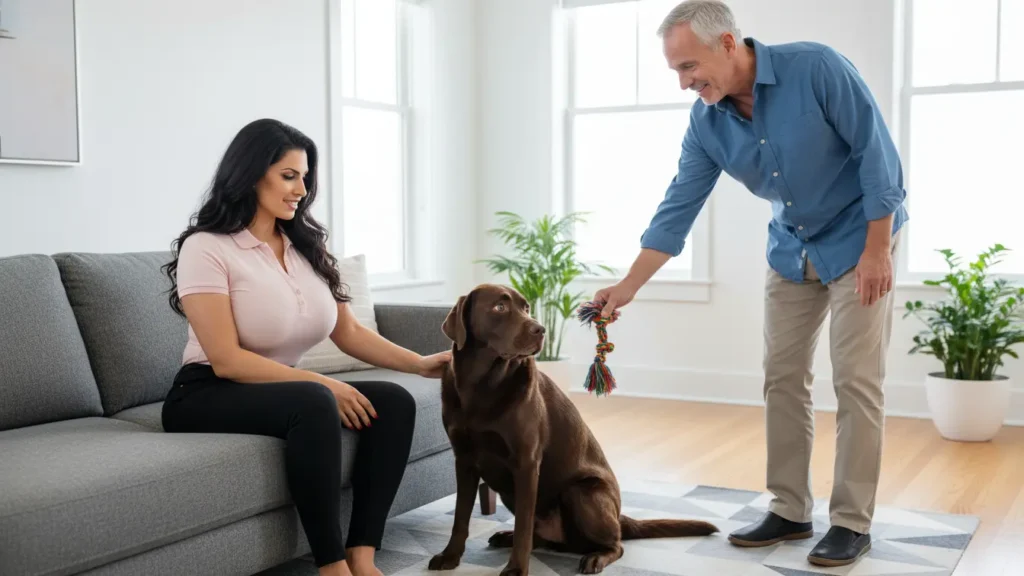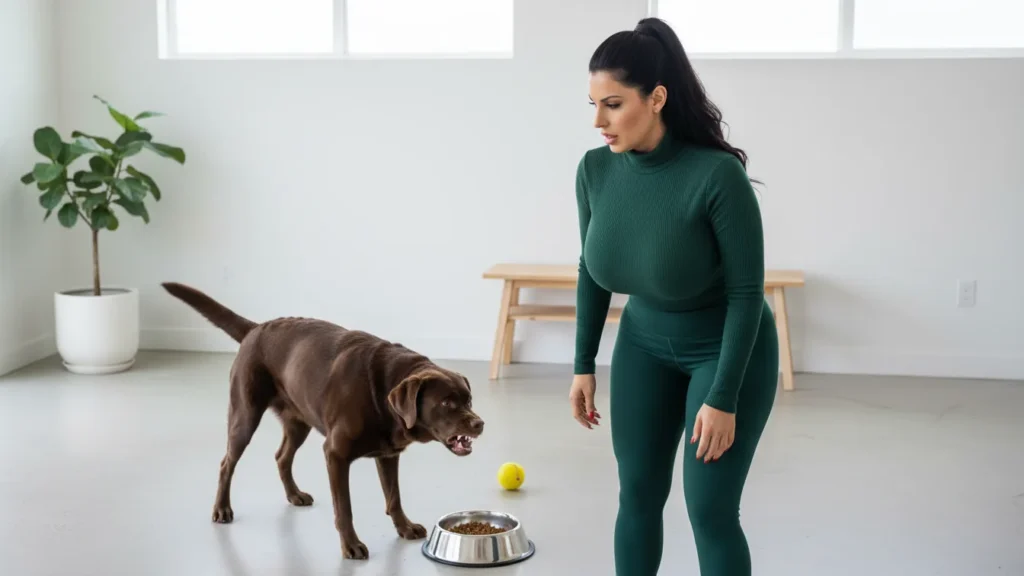
One day your dog eats calmly next to the family, tail loose, completely unbothered. The next, a hand reaches near the bowl and out comes a stiff body, a hard stare, maybe even a growl. No warning, no obvious reason — just a dog who suddenly seems like a different animal at mealtime.
It’s unsettling, and it’s also far more common than most owners realize. Sudden food aggression rarely appears out of nowhere. It’s almost always a signal, and once you understand what’s actually driving it, the behavior becomes a lot less mysterious — and a lot more manageable.
It’s Rarely About “Dominance”
For years, food aggression was blamed on dogs trying to assert dominance over their household. Most modern veterinary behaviorists have moved away from that explanation entirely. What looks like defiance is almost always rooted in something closer to insecurity: the dog perceives their food as something that could be taken away, and they’re reacting to protect it.
This pattern, known as resource guarding, isn’t limited to food. It can show up around toys, a favorite resting spot, or even a specific person. But food tends to trigger it fastest, because in a dog’s mind, meals are tied directly to survival. When that instinct gets activated, growling, stiffening, or snapping is the dog’s way of saying “back off,” not a power move against you.
Hidden Trigger #1: Pain or an Undiagnosed Medical Issue
One of the most overlooked causes of sudden aggression, food-related or otherwise, is physical discomfort. A dog with a sore tooth, an upset stomach, arthritis, or an untreated injury may become far more protective of food simply because eating itself has become uncomfortable or effortful. Older dogs in particular may start guarding meals due to joint pain, vision loss, or early cognitive decline, all of which can make them feel more vulnerable while eating and less able to react calmly if approached.
If food aggression appears suddenly in a dog with no history of it, a veterinary check-up should always come before behavioral training. Ruling out pain is the first step, not an afterthought.
Hidden Trigger #2: A New Pet or Shifting Household Dynamics
Adding a new dog, cat, or even a baby to the household can quietly rewrite the rules a dog has lived by for years. Suddenly there’s competition for attention, space, or proximity to food, even if nothing is being taken directly. Simple hovering near a bowl from another animal is often enough to trigger guarding behavior that was never present before.
This is especially common in multi-pet homes where feeding areas overlap, or where a more assertive new arrival unintentionally pressures an existing pet during meals.
Hidden Trigger #3: A Long-Buried Survival Habit Resurfacing
Dogs with a history of food scarcity — former strays, shelter dogs, or dogs rescued from neglectful situations — often carry that insecurity long after their circumstances improve. Years into a stable, loving home, a seemingly small trigger, like a schedule change, a move, or a new pet, can cause those old survival patterns to resurface. The dog isn’t reverting to “bad behavior.” They’re reacting to a stressor with the only coping mechanism that once kept them fed.
Hidden Trigger #4: Accidental Reinforcement
Sometimes owners unintentionally train the exact behavior they’re trying to avoid. If a dog growls and the people or other pets around them back away, the dog learns, very quickly, that growling works. Over time, what started as a mild warning escalates, simply because it’s been rewarded with space every single time it happens.
This is one of the easiest triggers to miss, because backing off in the moment feels like the safe, respectful thing to do. Long-term, though, it can reinforce guarding rather than reduce it.
Hidden Trigger #5: A Sudden Change in Food Value
An unfamiliar high-value treat, a food upgrade, or an unusually exciting meal can occasionally spark guarding behavior in a dog that’s never shown it before. When food suddenly feels rarer or more desirable, some dogs respond by protecting it more intensely, even temporarily.
What To Actually Do About It
Managing food aggression starts with observation, not correction. Watch for the early warning signs — stiff posture, a fixed stare, eating unusually fast, or hovering over the bowl when not eating — since catching these cues early makes the behavior far easier to manage.
A few steps that consistently help:
- Rule out medical causes first. A vet visit should always come before behavior training when aggression appears suddenly.
- Avoid punishment. Reacting harshly to growling can suppress the warning signal without addressing the underlying insecurity, which often makes future aggression less predictable, not less likely.
- Create a calm feeding routine. Feed in a low-traffic area, avoid crowding the dog while they eat, and separate pets if guarding is aimed at another animal.
- Reinforce trust gradually. With guidance from a trainer, some dogs benefit from learning that a hand near their bowl means an extra treat is coming, not that food is being taken away.
- Bring in a professional for anything severe. If growling, snapping, or biting is involved, a certified behaviorist working alongside your veterinarian is the safest path forward.
The Bigger Takeaway
Sudden food aggression can feel like a betrayal from a dog you thought you knew completely, but it’s almost never random. It’s a response, shaped by pain, insecurity, environment, or history, and in nearly every case, it improves with patience, structure, and the right support rather than punishment. Understanding the trigger doesn’t excuse the behavior, but it does make solving it possible.
Sources
- American Veterinary Medical Association — Canine Aggression
- VCA Animal Hospitals — Aggression in Dogs
- American Kennel Club — Resource Guarding in Dogs
- ASPCA — Food Guarding
- Merck Veterinary Manual — Aggression in Dogs

Dr. Sofia Romano, DVM, is an experienced veterinarian specializing in small-animal medicine and preventive care. She has treated thousands of cases using evidence-based diagnostics and modern clinical practices. Dr. Romano is dedicated to providing science-backed pet-health guidance that helps owners make informed decisions and improve their pets’ quality of life.