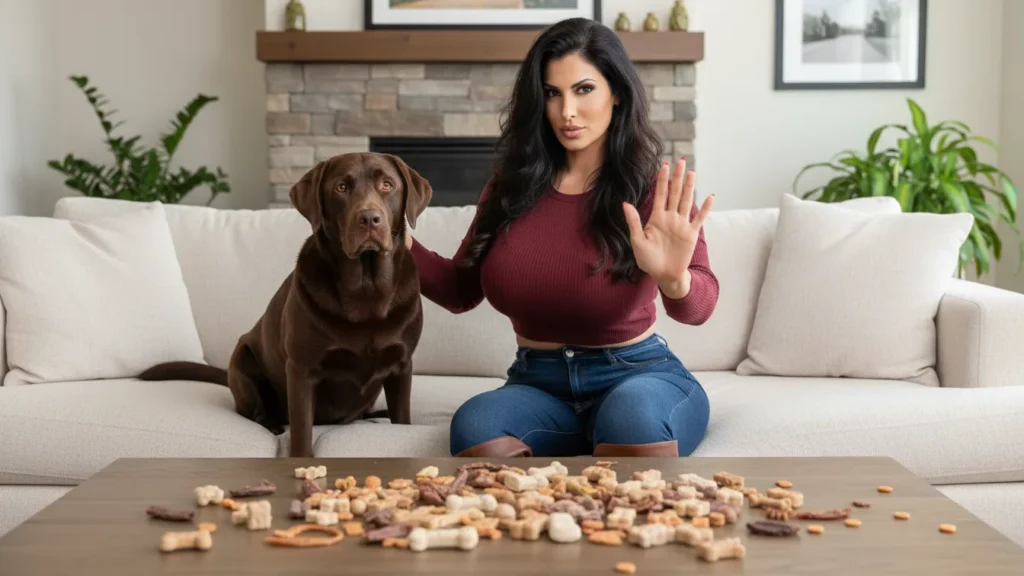
“The Treat Mistake Almost Every Loving Dog Owner Makes”
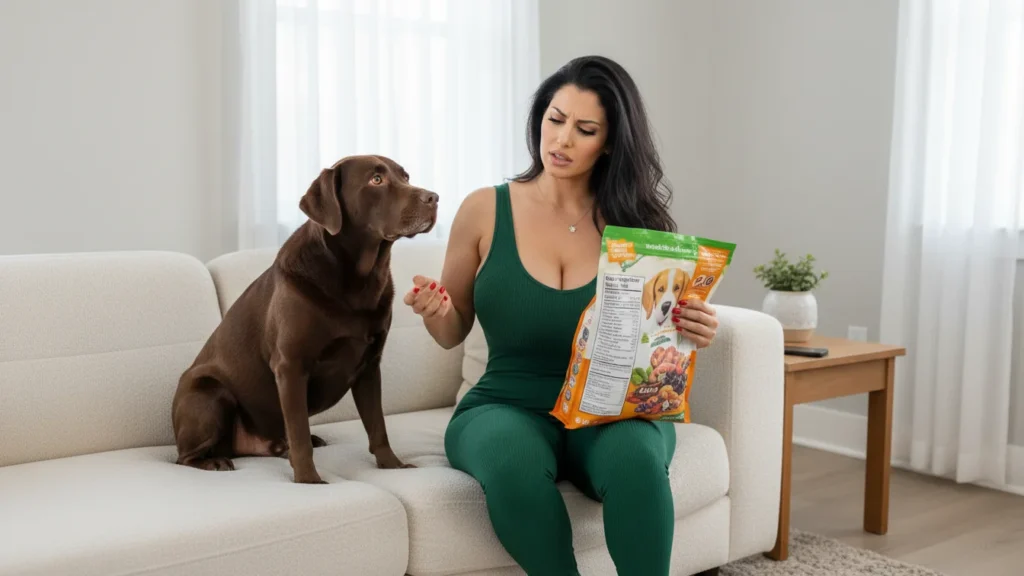
You stand in the pet store aisle, holding a brightly colored packet.
It says “natural,” “premium,” “vet-approved.”
Your dog loves these treats.
They sit, stay, roll over — all for one crunchy reward.
So it feels harmless.
Even responsible.
But here’s the uncomfortable truth many owners don’t realize until it’s too late:
👉 Some of the most popular dog treats on shelves today carry real, well-documented risks.
Not rare, exotic items.
Not shady, unknown brands.
But mainstream treats that millions of dogs eat every year.
This article isn’t about panic or guilt.
It’s about clarity.
You’ll learn:
- Which 5 dangerous dog treats experts repeatedly warn against
- Why they’re risky (in simple, non-alarming terms)
- What to buy instead — without depriving your dog of joy
Because treats should build trust and health — not quietly undermine it.
Why Treat Safety Matters More Than You Think
Treats aren’t “just extras.”
For many dogs, they make up:
- 20–30% of daily calorie intake
- A major source of repeated exposure to ingredients
- A powerful behavioral reward that shapes habits
Unlike meals, treats are often:
- Less regulated
- More heavily processed
- Packed with additives for shelf life and flavor
Even organizations like the U.S. Food and Drug Administration have issued multiple safety alerts over the years related to pet treats — especially imported and heavily processed ones.
Understanding this isn’t about fear.
It’s about informed choice.
🚫 1. Rawhide Chews — The “Classic” That Causes Silent Problems
Rawhide chews are everywhere.
They’re cheap, long-lasting, and marketed as dental helpers.
But rawhide is not food in the traditional sense.
Why Rawhide Can Be Dangerous
- It’s often made from chemically treated animal hide
- Dogs don’t digest it well — it softens, swells, and clumps
- Large pieces can lodge in the throat or intestines
Real-Life Vet Observations
Many veterinarians report:
- Choking emergencies
- Intestinal blockages requiring surgery
- Vomiting or constipation after chewing sessions
The danger isn’t chewing — it’s swallowing softened chunks.
Safer Alternatives
- Digestible dental chews
- Natural rubber chew toys
- Vet-recommended edible chews designed to break down safely
🚫 2. Cheap Jerky Treats with Unclear Ingredients
Jerky treats sound healthy.
Meat-based. High protein. Irresistible smell.
But not all jerky is created equal.
The Hidden Risk
Some low-cost jerky treats:
- Use unnamed meat sources
- Contain glycerin, preservatives, or contaminants
- Are sourced from regions with looser quality control
Over the years, jerky treats have been linked to clusters of unexplained illness reports, prompting investigations and recalls.
Warning Signs on Labels
Avoid treats that list:
- “Meat by-products” without specifics
- No country-of-origin disclosure
- Extremely long ingredient lists
Better Choices
- Single-ingredient freeze-dried meats
- Jerky made in facilities with transparent sourcing
- Short, readable ingredient panels
🚫 3. Bone-Shaped Biscuits Packed with Sugar and Salt
They look innocent.
They smell sweet.
Dogs go crazy for them.
But many mass-market biscuits are closer to cookies than nutrition.
What’s Actually Inside
- Added sugars or syrups
- Excess sodium
- Artificial flavor enhancers
Dogs don’t need sugar — and their bodies aren’t designed to process it regularly.
Long-Term Risks
- Weight gain
- Dental issues
- Increased risk of metabolic stress
These treats rarely cause immediate problems, which makes them easy to underestimate.
Smarter Swaps
- Low-calorie training treats
- Homemade baked treats with simple ingredients
- Vegetable-based crunch treats (like sweet potato)
🚫 4. Treats with Artificial Colors and Chemical Preservatives
Bright red. Neon green. Cartoon shapes.
These treats are designed to attract humans, not dogs.
Why Artificial Additives Matter
Dogs:
- Don’t care about color
- React more to smell and texture
Artificial dyes and preservatives:
- Offer no nutritional benefit
- Increase chemical load over time
- May contribute to sensitivities in some dogs
Common additives to watch for:
- Artificial food dyes
- BHA, BHT, or ethoxyquin
- Unnecessary flavor coatings
What “Natural” Should Really Mean
Look for:
- Naturally colored ingredients
- Preservatives like vitamin E (tocopherols)
- Clear labeling without vague claims
🚫 5. Hard Bones and Antlers — Strong Isn’t Always Safe
Antlers and hard bones are marketed as “tough chews.”
But toughness is exactly the problem.
The Dental Risk
Veterinary dentists frequently see:
- Cracked premolars
- Fractured canines
- Painful dental infections
A simple rule many vets use:
If you can’t dent it with your fingernail, it’s too hard for teeth.
Additional Hazards
- Sharp splinters
- Gum injuries
- Costly dental procedures
Better Chewing Options
- Nylon chews designed to wear down
- Rubber-based toys with give
- Edible chews matched to your dog’s chewing style
🔍 Comparison Table: Risky Treats vs Safer Alternatives
| Risky Treat Type | Why It’s Dangerous | Safer Alternative |
|---|---|---|
| Rawhide chews | Poor digestion, choking risk | Digestible dental chews |
| Cheap jerky treats | Unknown sourcing, additives | Single-ingredient meats |
| Sugary biscuits | Weight & dental issues | Low-calorie baked treats |
| Artificial-colored treats | No benefit, chemical load | Naturally preserved treats |
| Hard bones/antlers | Tooth fractures | Rubber or vet-approved chews |
Hidden Mistakes Dog Owners Don’t Realize They’re Making
Even well-informed owners often:
- Rotate treats too often without checking ingredients
- Assume “premium” equals safe
- Overuse treats during training
- Ignore treat calorie counts
Simple Rule to Remember
Treats should make up no more than 10% of daily calories.
Quality matters more than quantity.
Why This Matters Today (And Always Will)
Dogs are living longer than ever.
That’s a gift.
But longevity makes small, repeated choices more important.
Treats given daily over years can:
- Support joint health and teeth
- Reinforce positive behavior safely
- Or slowly contribute to preventable issues
The goal isn’t restriction.
It’s intelligent indulgence.
✅ Key Takeaways
- Popular doesn’t always mean safe
- Rawhide, cheap jerky, and hard bones carry real risks
- Short ingredient lists are your best friend
- Dogs don’t need sugar, color, or extreme hardness
- Safer alternatives exist for every chewing style
❓ Frequently Asked Questions
1. Are homemade dog treats safer?
They can be, if made with dog-safe ingredients and no added sugar or salt.
2. How often should I give treats?
Small treats during training are fine, but keep total calories under 10% daily.
3. Are “grain-free” treats automatically better?
Not necessarily. Ingredient quality matters more than buzzwords.
4. Can puppies eat these risky treats?
Puppies are more vulnerable, especially to choking and dental damage.
5. What’s the safest type of treat overall?
Single-ingredient treats with clear sourcing and minimal processing.
A Calm, Responsible Way Forward
You don’t need to throw everything away today.
You don’t need fear-driven decisions.
Just awareness.
Next time you reach for a treat, ask:
- Do I recognize every ingredient?
- Is this designed for my dog’s body, or for marketing?
Your dog doesn’t care about packaging.
They care about feeling good — today, tomorrow, and years from now.
Disclaimer: This article is for general educational purposes only and is not a substitute for personalized advice from your veterinarian.

Dr. Sofia Romano, DVM, is an experienced veterinarian specializing in small-animal medicine and preventive care. She has treated thousands of cases using evidence-based diagnostics and modern clinical practices. Dr. Romano is dedicated to providing science-backed pet-health guidance that helps owners make informed decisions and improve their pets’ quality of life.

Pingback: 10 Foods You Didn’t Know Were Toxic For Dogs — Many Are Already In Your Kitchen
Pingback: Best Dog Treats For Puppies That Trainers & Vets Swear By (Safe, Tasty, Proven)
Pingback: 10 Human Foods That Are Surprisingly Safe For Dogs — Vet-Approved Guide