“The Nose Check Every Dog Owner Does”
Almost every dog owner has done it.
You reach down to pet your dog.
Your fingers brush their nose.
And instead of cool and wet… it feels dry.
Your mind jumps instantly:
“Is my dog sick?”
For decades, we’ve been told that a healthy dog has a wet nose — and a dry one means trouble.
Veterinarians hear this concern daily.
And the truth surprises most owners:
👉 A dry nose alone is rarely a sign of illness.
Sometimes it’s completely normal.
Other times, it does matter — but not for the reasons most people think.
This article separates myth from medical reality, explains why dogs’ noses become dry, and helps you understand when dryness is harmless and when it deserves attention.
The Biggest Myth: “A Healthy Dog Always Has a Wet Nose”
This belief is deeply ingrained — and deeply misleading.
Dogs’ noses naturally fluctuate between:
- Wet and dry
- Cool and warm
- Smooth and slightly rough
All within the same day.
A dog can have:
- A dry nose in the morning
- A moist nose after a walk
- A dry nose again while sleeping
None of this automatically means illness.
Wetness is influenced by behavior, environment, and biology — not just health.
Why Dogs’ Noses Are Wet in the First Place
Dogs don’t sweat like humans.
Their noses stay moist because:
- They lick them frequently
- Mucus-producing glands hydrate the surface
- Moisture improves scent detection
A wet nose enhances smell — but it’s functional, not a health requirement.
When that moisture temporarily decreases, the nose dries out — without harm.
Normal Reasons Your Dog’s Nose Becomes Dry
Many dry noses are completely benign.
Common normal causes include:
- Sleeping (dogs don’t lick their nose while asleep)
- Warm indoor air or heating
- Sun exposure
- Mild dehydration after activity
- Aging (older dogs lick less frequently)
Real-life example:
A dog wakes up from a long nap with a dry, warm nose — within 30 minutes of activity, it’s moist again.
That’s normal.
Hidden Cause #1: Environmental Dryness
Indoor environments affect dogs more than we realize.
Dry noses commonly appear when:
- Air conditioners run constantly
- Heaters dry indoor air
- Dogs sleep near vents
- Winter humidity drops
Just like human skin dries out, so does the sensitive skin on a dog’s nose.
This type of dryness usually:
- Appears evenly
- Improves on its own
- Doesn’t cause pain or cracking
Hidden Cause #2: Mild Dehydration (Not Always Serious)
Dogs don’t always drink enough water — especially after play or excitement.
Early dehydration may show as:
- Slightly dry nose
- Tacky gums
- Less frequent urination
This doesn’t mean disease — just that hydration needs weren’t fully met.
Offering fresh water and monitoring usually resolves it quickly.
Hidden Cause #3: Seasonal Changes and Sun Exposure
Sun exposure can dry out a dog’s nose, especially in dogs with:
- Light-colored noses
- Pink or “snow nose” pigmentation
- Short coats
Just like human lips, noses exposed to sun and wind lose moisture.
This dryness is often temporary unless the skin becomes damaged.
When a Dry Nose Actually Matters
A dry nose becomes important when it’s paired with other changes.
Red flags include:
- Cracking or bleeding
- Thick discharge
- Swelling
- Color changes
- Pain or sensitivity
- Behavior changes
It’s not dryness alone — it’s dryness plus symptoms.
Medical Causes Vets Take Seriously
Some conditions can cause persistent nasal dryness.
1. Fever or Systemic Illness
When dogs have a fever, moisture production decreases.
Signs often include:
- Lethargy
- Loss of appetite
- Warm ears
- Behavior changes
The nose isn’t the problem — it’s just reacting to internal imbalance.
2. Autoimmune or Skin Conditions
Rare but real causes include:
- Discoid lupus
- Nasal hyperkeratosis
- Immune-mediated skin disorders
These often cause:
- Thickened nose tissue
- Crusting
- Pigment loss
These conditions don’t come and go — they progress without treatment.
3. Nasal Hyperkeratosis (Especially in Seniors)
This condition causes:
- Excessive thickening of nasal skin
- Dry, rough texture
- Cracks if untreated
It’s common in older dogs and certain breeds.
It’s uncomfortable but manageable with proper care.
Dry Nose vs Sick Dog: A Quick Comparison
| Feature | Normal Dry Nose | Medical Concern |
|---|---|---|
| Duration | Temporary | Persistent |
| Texture | Smooth | Cracked or crusty |
| Behavior | Normal | Lethargic or withdrawn |
| Appetite | Normal | Reduced |
| Discharge | None | Thick or colored |
Common Mistakes Owners Make
Well-meaning actions can cause harm.
Mistakes to avoid:
- Constantly checking nose moisture
- Applying human lip balms or ointments
- Panicking over one dry moment
- Ignoring other symptoms
A dog’s nose is sensitive — not everything safe for humans is safe for dogs.
What You Can Safely Do at Home
If your dog’s nose is dry but they’re acting normal:
- Ensure access to fresh water
- Improve indoor humidity
- Limit direct sun exposure
- Observe behavior and appetite
- Avoid over-cleaning the nose
If dryness improves on its own, it was likely environmental or temporary.
When You Should Pay Closer Attention
Seek guidance if dryness:
- Persists for weeks
- Becomes painful or cracked
- Is paired with lethargy
- Includes nasal discharge
- Comes with appetite loss
Early evaluation prevents progression.
Why This Matters Today
Pet owners are more attentive than ever — which is good.
But misinformation spreads quickly.
Understanding what actually matters prevents:
- Unnecessary panic
- Missed early warning signs
- Harmful home treatments
Knowledge leads to calm, confident care — the kind dogs benefit from most.
Key Takeaways
- A dry nose alone rarely means illness
- Moisture fluctuates naturally
- Environment plays a major role
- Look for patterns, not moments
- Behavior matters more than nose texture
Frequently Asked Questions
1. Is a dry nose a sign of dehydration?
Sometimes, but mild dryness alone isn’t diagnostic.
2. Can dogs be sick with a wet nose?
Yes. Nose moisture doesn’t rule out illness.
3. Should I moisturize my dog’s nose daily?
Only if recommended — unnecessary products can irritate.
4. Do puppies get dry noses more often?
Yes, especially during growth and sleep.
5. Does nose color change matter?
Temporary changes are normal; persistent changes deserve attention.
Conclusion
A dry nose doesn’t define your dog’s health.
It’s just one small piece of a much bigger picture.
By understanding the myths, recognizing real warning signs, and focusing on your dog’s overall behavior, you replace worry with clarity — and that’s the kind of care dogs respond to best.
Disclaimer
This article is for general educational purposes only and does not replace professional veterinary advice. Always consult a qualified veterinarian if you’re concerned about your dog’s health.

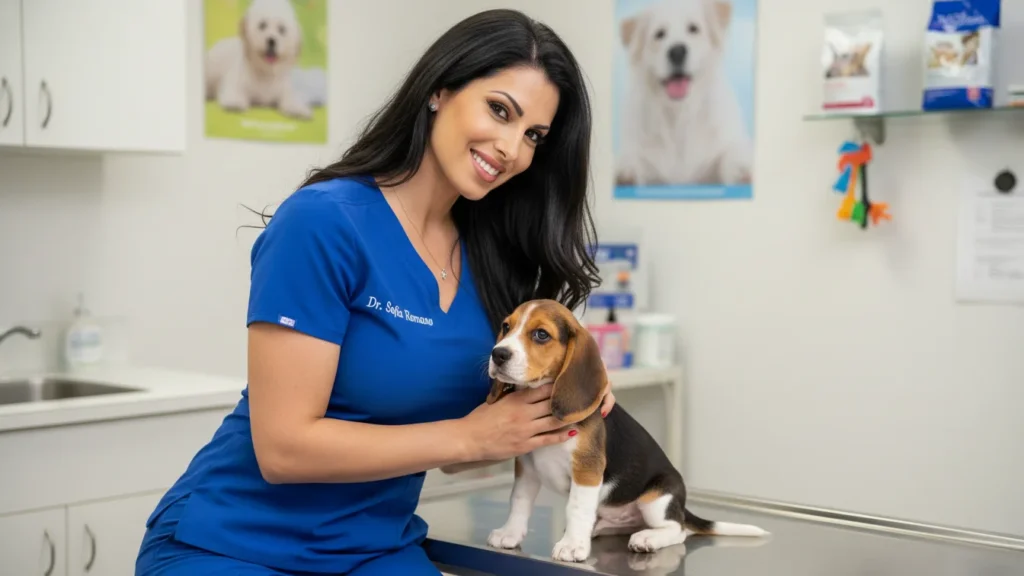
Dr. Sofia Romano, DVM, is an experienced veterinarian specializing in small-animal medicine and preventive care. She has treated thousands of cases using evidence-based diagnostics and modern clinical practices. Dr. Romano is dedicated to providing science-backed pet-health guidance that helps owners make informed decisions and improve their pets’ quality of life.