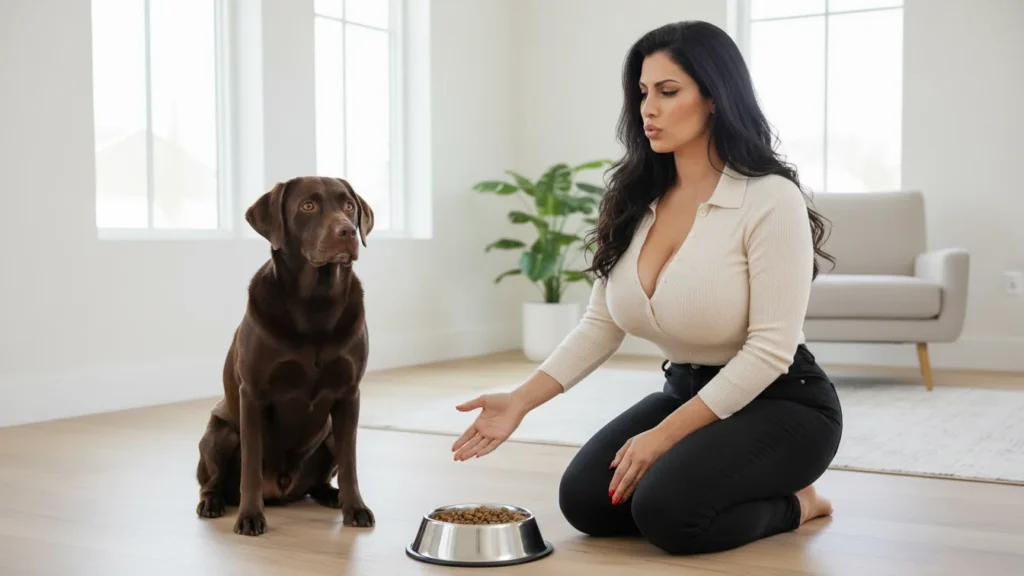
“When the Bowl Goes Untouched”
Your dog has eaten the same dry food for months.
Sometimes years.
Then one day… they sniff it.
Pause.
And walk away.
No excitement.
No crunching.
Just a full bowl staring back at you.
Most owners panic — or worse, assume their dog is being stubborn.
But here’s the truth veterinarians see daily:
👉 Dogs don’t stop eating dry food “for no reason.”
There is always a cause — physical, emotional, sensory, or behavioral.
Some are harmless and temporary.
Others are early warning signs your dog is uncomfortable.
This guide breaks down why dogs suddenly refuse dry food, how to tell what’s normal vs concerning, and what to do next — without panic or guesswork.
First: Is It Really “Sudden” or Has It Been Building?
Before jumping to conclusions, ask yourself:
- Has your dog been eating more slowly lately?
- Leaving some kibble behind before stopping completely?
- Asking for treats but skipping meals?
Many “sudden” food refusals are actually gradual appetite changes that went unnoticed.
Dogs are masters at masking discomfort.
Dry food refusal is often the first visible sign something is off.
Reason #1: Dental Pain or Mouth Discomfort (Most Common)
Dry food requires chewing.
Chewing hurts when:
- Gums are inflamed
- Teeth are loose or cracked
- Tartar buildup causes sensitivity
- There’s a mouth ulcer or foreign object
Dogs with oral pain often:
- Eat soft food but avoid kibble
- Drop food while chewing
- Chew on one side only
- Show interest in food but stop midway
Real-life example
A dog that eagerly eats boiled chicken but refuses kibble is not “spoiled” — they’re often in pain.
This is one of the most missed causes by owners.
Reason #2: Sudden Changes in Smell or Taste Sensitivity
Dogs rely heavily on smell.
If dry food:
- Has gone stale
- Was stored improperly
- Changed formulation silently
- Smells “off” to your dog
They may refuse it completely.
Even small changes humans can’t detect matter to dogs.
Hidden tip
Dogs often reject kibble from a new bag if:
- The batch smells different
- Oils have oxidized
- Storage conditions changed
Always smell the food yourself — rancid kibble has a sharp, oily odor.
Reason #3: Digestive Discomfort or Mild Nausea
When dogs feel nauseous, they instinctively avoid heavy, dry foods.
Common causes:
- Mild gastritis
- Acid reflux
- Sudden treat overload
- Table scraps
- Empty stomach bile buildup
Signs include:
- Lip licking
- Swallowing repeatedly
- Eating grass
- Skipping breakfast but eating later
Dry food feels harder to digest during stomach upset.
Reason #4: Stress, Anxiety, or Environmental Changes
Emotional state affects appetite more than most owners realize.
Dogs may stop eating dry food after:
- Moving homes
- New pets or people
- Changes in routine
- Loud environments
- Owner stress
Stress reduces appetite — especially for foods requiring effort to eat.
Why owners miss this
The dog seems “normal otherwise,” so food refusal feels confusing.
But stress often shows up first in feeding behavior.
Reason #5: Learned Food Preference (Accidental Training)
This one is uncomfortable — but common.
If your dog:
- Skipped kibble
- Then received treats or toppers
- Or was offered wet food immediately
They learned a powerful lesson:
👉 “If I wait, better food appears.”
This doesn’t mean your dog is manipulative.
It means dogs learn patterns quickly.
Over time, they may refuse dry food consistently — even if healthy.
Reason #6: Recent Illness, Vaccination, or Medication
Temporary appetite changes happen after:
- Vaccinations
- Antibiotics
- Pain medications
- Deworming
Dry food is often the first thing dogs refuse during recovery.
If appetite returns within 24–48 hours and energy is normal, this is usually temporary.
Reason #7: Age-Related Changes
As dogs age:
- Teeth wear down
- Smell sensitivity changes
- Digestive efficiency decreases
Senior dogs may suddenly find dry food uncomfortable — even if they ate it fine before.
This change often surprises owners because it feels abrupt.
Dry Food Refusal: Normal vs Concerning
| Situation | Usually Normal | Needs Attention |
|---|---|---|
| Skipped one meal | ✔ | |
| Eating treats but not kibble | ✔ (short-term) | |
| Refusal >48 hours | ✔ | |
| Weight loss | ✔ | |
| Lethargy | ✔ | |
| Vomiting or diarrhea | ✔ | |
| Eating soft food only | ✔ (check teeth) |
What NOT to Do (Common Mistakes)
❌ Panic-switch foods daily
❌ Force-feed or hover anxiously
❌ Add endless toppers without a plan
❌ Assume stubbornness
❌ Ignore persistent refusal
These reactions often worsen long-term feeding issues.
What You CAN Do (Safe, Practical Steps)
Step 1: Check the Mouth
Look for:
- Red gums
- Bad breath
- Broken teeth
- Bleeding
If unsure, a vet dental check is essential.
Step 2: Warm or Hydrate the Kibble
- Add warm water or broth
- Let sit 5–10 minutes
- Releases aroma
- Softer texture
This often restores interest without changing food.
Step 3: Create Calm Feeding Conditions
- Quiet space
- No pressure
- Same feeding times
- Remove bowl after 15–20 minutes
Predictability reduces anxiety.
Step 4: Be Strategic With Toppers
If using toppers:
- Mix thoroughly (don’t layer)
- Use tiny amounts
- Reduce gradually
The goal is transition, not dependence.
Step 5: Know When to See a Vet
Seek help if:
- Refusal lasts more than 2 days
- Weight loss occurs
- Energy drops
- Digestive signs appear
Early checks prevent bigger problems later.
Why This Matters Today
Food refusal isn’t about food.
It’s communication.
Dogs don’t complain loudly — they change behavior.
Catching appetite changes early helps identify:
- Pain before it worsens
- Stress before anxiety escalates
- Digestive issues before chronic problems develop
Listening to the bowl matters.
Key Takeaways
- Dogs don’t stop eating dry food randomly
- Dental pain is the most common hidden cause
- Stress and nausea often show up first as food refusal
- Accidental topper training can reinforce picky behavior
- Gentle investigation beats panic reactions
Frequently Asked Questions
1. How long can a dog safely skip dry food?
Healthy adult dogs can skip 24 hours, but ongoing refusal needs attention.
2. Is my dog just being picky?
True pickiness is rare. Most cases have a physical or emotional trigger.
3. Should I switch to wet food permanently?
Only after identifying the cause. Switching too fast can hide problems.
4. Can dry food suddenly taste bad to dogs?
Yes. Smell and formulation changes matter greatly to dogs.
5. When is food refusal an emergency?
If paired with lethargy, vomiting, pain, or weight loss.
Conclusion: The Bowl Is a Clue
When a dog refuses dry food, they’re not testing you.
They’re telling you something feels wrong — even if they can’t explain what.
Whether it’s a sore tooth, a stressed mind, or an unsettled stomach, the answer is rarely to panic or ignore it.
Observe.
Investigate gently.
Respond thoughtfully.
That’s how trust — and appetite — returns.
Disclaimer: This article is for educational purposes only and does not replace professional veterinary advice. If concerns persist, consult a qualified veterinarian.

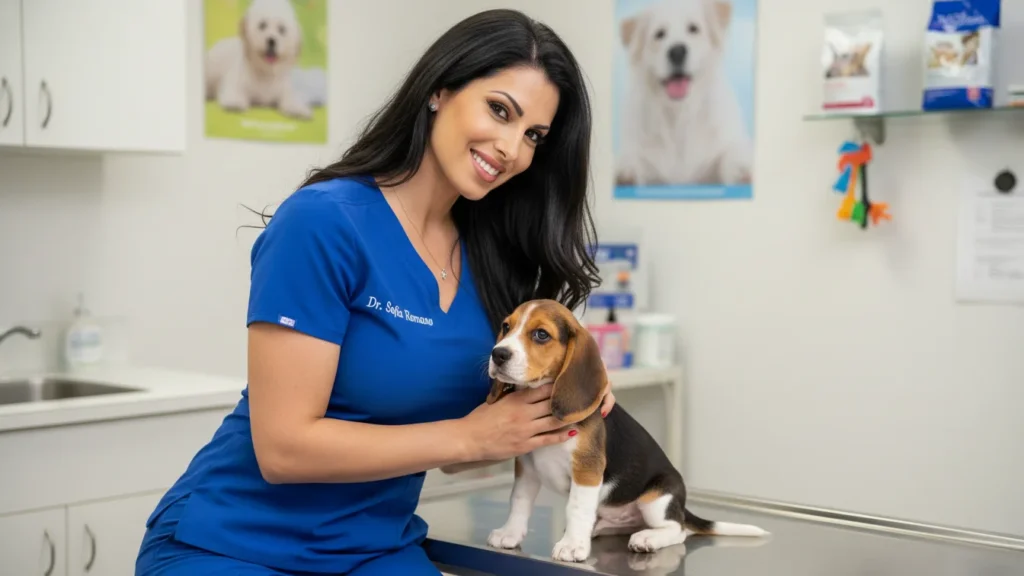
Dr. Sofia Romano, DVM, is an experienced veterinarian specializing in small-animal medicine and preventive care. She has treated thousands of cases using evidence-based diagnostics and modern clinical practices. Dr. Romano is dedicated to providing science-backed pet-health guidance that helps owners make informed decisions and improve their pets’ quality of life.


Pingback: Why Dogs Eat Their Own Poop — Behavioral And Medical Causes Vets Explain
Pingback: Why Dogs Pause Before Eating — The Quiet Behaviour That Tells You More Than You Think