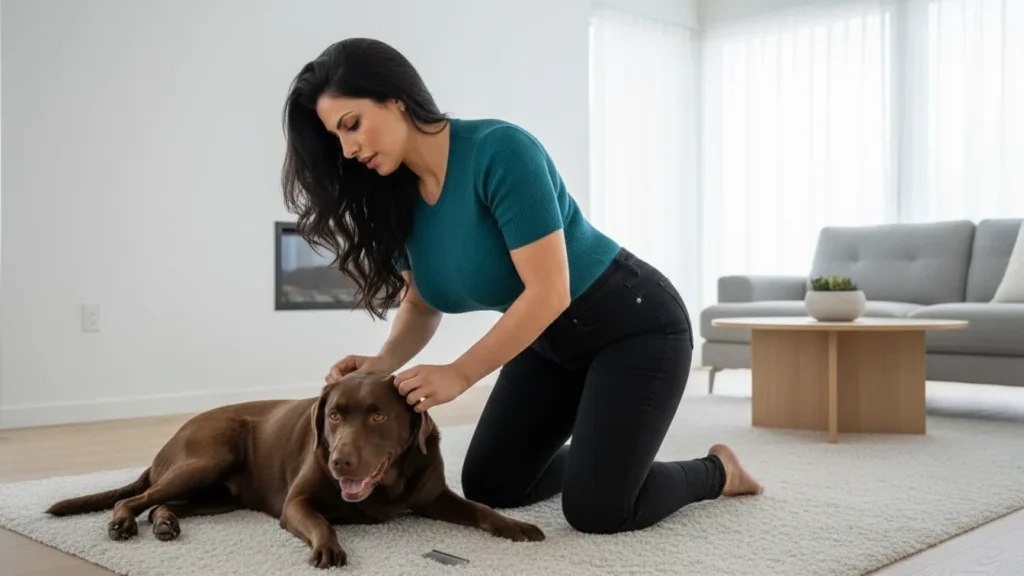
Few things frustrate dog parents more than this cycle:
You remove the ticks…
You treat your dog…
You clean the bed…
And within days—they’re back.
It feels endless.
It feels confusing.
And most of all, it feels scary because ticks don’t just irritate—they spread serious diseases.
So why does this keep happening?
As a veterinarian, I’ve treated thousands of tick-infested dogs, and the truth is this:
Your dog isn’t the problem. The environment is.
Ticks are returning because one or more hidden factors are being missed—and until those are fixed, no shampoo, tablet, or home remedy will fully stop them.
This blog explains the real reasons dogs get ticks repeatedly, the mistakes owners unknowingly make, and the fastest long-term fix vets rely on.
1. Ticks Are Living in Your Dog’s Environment (Not Just on Your Dog)
This is the #1 reason dogs get ticks repeatedly.
Ticks don’t just live on your dog — they hide in:
- Grass
- Soil
- Cracks in flooring
- Carpets
- Bedding
- Garden corners
- Wall gaps
- Furniture edges
Even if you remove ticks from your dog, hundreds more may be waiting in the environment.
Real Example
A family cleaned their dog and used tick shampoo weekly, but ticks kept returning.
The actual source? A patch of moist grass near the gate that was infested, repeatedly reinfecting the dog.
2. Inconsistent or Weak Tick Prevention Products
Most owners use:
- Tick shampoos
- Herbal sprays
- Over-the-counter powders
- Occasional tick collars
These provide temporary protection, not long-term prevention.
What Works Best (Vet-Approved)
To break the tick cycle, vets recommend:
- Monthly oral tablets
- Spot-on treatments
- Medicated collars (high-quality only)
These kill ticks before they can attach long enough to spread disease.
3. You’re Treating the Dog, But Not the Home
Ticks don’t die immediately after falling off your dog.
They hide and multiply in:
- Carpets
- Sofas
- Curtains
- Kennels
- Car seats
- Yard soil
How to Treat the Home (Essential)
- Wash dog bedding weekly
- Vacuum carpets + sofas thoroughly
- Use home-safe anti-tick environmental sprays
- Clean car seats if your dog travels often
- Clear moist garden areas (ticks love humidity)
If you skip this, ticks return in 5–10 days.
4. The Neighborhood or Outdoor Area Is Highly Infested
Sometimes, the source isn’t even your home.
Ticks thrive in:
- Parks
- Gardens
- Apartment lawns
- Construction areas
- Roadside bushes
Even 5 minutes of sniffing around grass can expose your dog to multiple ticks.
Hidden Tip
Avoid walking your dog near areas with tall grass or stray animals — these are tick hotspots.
5. Tick Eggs and Larvae Are Too Small to Notice
A female tick can lay up to 2,000 eggs at once.
These are:
- Invisible to the naked eye
- Hidden in corners
- Resistant to basic cleaning
- Easily spread by movement
So you may think you’re tick-free, but the eggs are waiting to hatch.
This is why tick problems return weeks after cleaning.
6. Using Tick Shampoo Too Often (Yes, This Backfires)
Many owners think weekly tick baths will fix the problem.
But over-shampooing leads to:
- Dry skin
- Micro-cracks in the skin
- Lower natural defenses
This makes your dog more attractive to ticks, not less.
Vet Advice
Use medicated tick shampoos only when visible ticks are present, not every week.
7. Immunity & Health Issues Make Dogs More Prone to Ticks
Dogs with:
- Low immunity
- Skin infections
- Poor nutrition
- Chronic disease
…are bitten more often.
Ticks sense weak hosts.
What Helps
- Salmon-based diets (Omega-3 improves skin barrier)
- Regular grooming
- Vet-recommended supplements
A healthier dog is naturally less attractive to parasites.
8. Multiple Dogs in the Home — Not All Treated Together
If you treat one dog but not the others, ticks simply transfer back.
Guidelines
- Treat all pets on the same day
- Clean common sleeping areas
- Apply preventives to cats if they go outdoors (cat-safe products only)
Tick problems spread fast in multi-pet homes.
Comparison Table: Why Ticks Keep Coming Back
| Cause | What Happens | Risk Level | Vet Solution |
|---|---|---|---|
| Untreated environment | Ticks hiding in home | Very High | Clean + spray weekly |
| Weak prevention | Shampoo only | High | Use oral or spot-on |
| Outdoor reinfection | Parks/lawns | Medium–High | Avoid hotspots |
| Untreated eggs/larvae | Hatch later | High | Deep clean fabrics |
| Low immunity | Dog becomes target | Medium | Improve diet |
| Multiple pets | Reinfestation cycle | High | Treat all pets |
How to Stop Ticks Permanently — The Vet-Approved 3-Step Plan
This is the fastest and most effective long-term method.
STEP 1 — Protect Your Dog (The Core Defense)
Choose ONE strong, vet-approved preventive:
- Monthly oral tablet
- Monthly spot-on
- High-quality medicated collar
This kills ticks before they spread disease.
STEP 2 — Eliminate Ticks from the Environment
Do this once a week for 3–4 weeks:
- Wash dog bedding in hot water
- Vacuum carpets, sofas, curtains
- Spray anti-tick home-safe solution
- Clean corners, garden, balcony floors
- Remove debris and moist areas
Ticks die fast in dry, clean environments.
STEP 3 — Break Reinfection Cycles
- Avoid tick-heavy parks
- Keep walks on clean paths
- Check paws, belly, ears after walks
- Trim your dog’s coat if very dense
- Treat all pets at once
Consistency is everything.
Common Mistakes Pet Parents Make (Avoid These!)
🚫 Only using shampoo
Kills ticks on the dog, not in the home/environment.
🚫 Stopping treatment once ticks disappear
Ticks come back the moment protection ends.
🚫 Using outdated or cheap collars
May be ineffective or harmful.
🚫 Believing “herbal oils” will solve the problem
They mask smell temporarily but do not kill ticks.
🚫 Ignoring the yard/garden
The biggest breeding grounds.
Real-Life Case Example
A Golden Retriever continued getting ticks despite:
✔ Weekly baths
✔ Cleaning bedding
✔ Removing visible ticks
The actual issue?
A moist backyard corner filled with tick larvae.
After trimming grass, spraying the area, and adding a monthly oral preventive…
Tick issue disappeared in 14 days.
This is why solving the root cause matters.
Key Takeaways
- Repeated tick infestations happen because your environment isn’t treated, not just your dog.
- Strong monthly preventives work far better than shampoos alone.
- Ticks hide in bedding, grass, carpets, and tiny home corners.
- You must treat both your dog + the environment to break the cycle.
- Never rely solely on home remedies or natural oils.
- Consistency is the only real long-term solution.
FAQs
1. Why does my dog get ticks even after a bath?
Baths kill visible ticks, but not environmental ones or eggs.
2. How often should I use tick prevention?
Monthly. Consistency is key for lasting protection.
3. Can ticks live in the house?
Yes — in carpets, bedding, cracks, and moist areas.
4. Are oral tick preventives better?
They work faster and more reliably in most dogs.
5. Will ticks ever completely go away?
Yes, with the right combination of prevention + environment control.
Conclusion
Your dog isn’t getting ticks again because treatment failed —
they’re getting ticks because the environment keeps reinfecting them.
Once you protect your dog with the right preventive, clean your home, and avoid tick hotspots, the cycle finally breaks.
A tick-free life is absolutely possible — and with the right strategy, it can happen faster than you think.

Dr. Sofia Romano, DVM, is an experienced veterinarian specializing in small-animal medicine and preventive care. She has treated thousands of cases using evidence-based diagnostics and modern clinical practices. Dr. Romano is dedicated to providing science-backed pet-health guidance that helps owners make informed decisions and improve their pets’ quality of life.






Pingback: Why Your Dog Suddenly Follows You Everywhere (Vet-Explained)
Pingback: The Real Reason Dogs Scratch Even Without Fleas