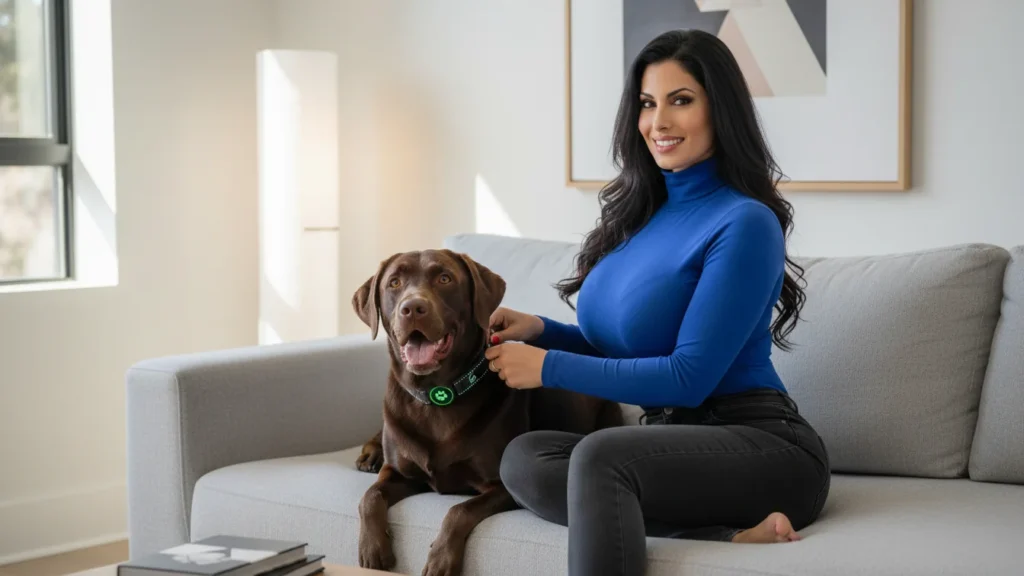
When the House Gets Louder Than It Used to Be
It usually starts small.
A bark at night.
A whine when you leave the room.
A soft howl that seems to come from nowhere.
At first, you brush it off.
But over time, the quiet dog you’ve known for years feels… louder.
For many owners, this change is confusing—and sometimes frustrating.
“Why is my dog suddenly so vocal?”
“Are they anxious?”
“Is something wrong?”
The answer is rarely simple—and almost never about disobedience.
For older dogs, vocalization is often communication shaped by aging, not misbehavior.
Vocalization Is a Symptom, Not a Personality Change
Dogs don’t become noisy without reason.
Barking, whining, and howling are signals, not flaws.
As dogs age, their bodies and brains change in subtle ways.
Those changes alter how they experience discomfort, confusion, and reassurance.
When expression through movement, play, or attention becomes harder, sound takes over.
Vocalization becomes the easiest tool left.
One of the Biggest Reasons: Sensory Decline
Aging affects the senses first—often before owners realize it.
Older dogs commonly experience:
- Reduced hearing
- Changes in vision
- Difficulty judging distance
- Increased startle response
When the world becomes less clear, dogs rely more on sound.
That’s why senior dogs may:
- Bark when you enter a room
- Vocalize at shadows or reflections
- React loudly to familiar noises
What looks like “overreacting” is often uncertainty.
Sound becomes a way to orient themselves.
Cognitive Aging and Confusion Vocalization
As dogs grow older, some experience canine cognitive aging.
This doesn’t always mean severe decline.
Often, it shows up as moments of confusion.
You might notice:
- Barking at night for no clear reason
- Whining while pacing
- Howling when alone, even briefly
These vocalizations are rarely intentional.
They happen because the dog:
- Loses track of time
- Feels momentarily disoriented
- Struggles to self-soothe
Noise becomes reassurance.
Why Nighttime Vocalization Is So Common
Many owners report the same pattern:
“My dog is quiet all day—but noisy at night.”
There’s a reason.
At night:
- Visual cues disappear
- Household noise drops
- Cognitive confusion increases
- Anxiety feels louder
For aging dogs, nighttime can feel isolating and unfamiliar.
Vocalizing helps them:
- Check if someone is nearby
- Reduce internal stress
- Re-anchor themselves emotionally
It’s less about attention—and more about security.
Physical Discomfort That Has No Other Outlet
Not all pain looks dramatic.
Low-grade discomfort from:
- Arthritis
- Muscle stiffness
- Digestive changes
- Internal inflammation
can trigger vocalization.
Why?
Because movement hurts—but sound doesn’t.
An older dog may:
- Whine when changing positions
- Bark when settling down
- Vocalize when standing up or lying down
They’re not asking for sympathy.
They’re expressing something they can’t explain any other way.
Emotional Sensitivity Increases With Age
Senior dogs often become emotionally softer, not harder.
Their tolerance for:
- Separation
- Noise
- Change
- Uncertainty
decreases.
This makes vocalization more likely when:
- You leave the room
- A routine changes
- Visitors arrive
- The house feels unfamiliar
It’s not regression.
It’s vulnerability.
Vocalization vs. Attention-Seeking: The Key Difference
Not all barking is equal.
Understanding why your dog vocalizes determines how you should respond.
Attention-seeking vocalization:
- Stops once attention is given
- Happens in predictable patterns
- Often paired with direct eye contact
Age-related vocalization:
- Happens randomly
- Continues even after reassurance
- Often paired with pacing or restlessness
Responding to both the same way leads to frustration—for both of you.
Comparison: Younger Dogs vs. Older Dogs Vocalization
| Aspect | Younger Dogs | Older Dogs |
|---|---|---|
| Main Reason | Excitement, alerting | Confusion, discomfort |
| Timing | Situation-based | Often random or nighttime |
| Control | Stops with training | Persists despite commands |
| Emotional Driver | Stimulation | Reassurance |
| Response Needed | Training | Comfort + observation |
This comparison helps owners choose empathy over correction.
Mistakes Owners Make That Increase Vocalization
Good intentions can make the problem worse.
Common mistakes include:
- Yelling or correcting harshly
- Ignoring persistent vocalization completely
- Overstimulating during quiet moments
- Assuming “they’ll grow out of it”
These responses increase stress—and stress increases noise.
What Actually Helps Calm Senior Vocalization
Calming an older dog isn’t about control.
It’s about environment and reassurance.
Practical steps that often help:
- Consistent routines — predictability reduces anxiety
- Soft lighting at night — helps orientation
- Comfortable bedding — reduces pain-triggered whining
- Calm verbal reassurance — your voice still anchors them
- Reduced sudden changes — stability matters more with age
Small adjustments often create big relief.
A Real-Life Pattern Many Owners Notice
Many owners say:
“My dog started barking more—but only when I’m not in the room.”
This isn’t manipulation.
It’s uncertainty.
Older dogs rely more heavily on familiar presence to feel safe.
When that anchor disappears, vocalization fills the gap.
Hidden Tip: Watch the Type of Sound
Not all sounds mean the same thing.
- Short, sharp barks → startle or confusion
- Long whining → discomfort or anxiety
- Howling → disorientation or loneliness
Understanding the sound gives you insight without guesswork.
Why This Matters Today
Dogs are living longer than ever.
Which means more families will experience:
- Late-life vocal changes
- Misunderstood behavior
- Emotional strain
When vocalization is treated as a nuisance instead of a message, trust erodes.
When it’s understood, connection deepens.
Key Takeaways
- Older dogs vocalize more due to sensory, cognitive, and physical changes
- Increased barking or whining is usually communication, not defiance
- Nighttime vocalization is especially common
- Harsh correction increases stress and noise
- Calm structure and reassurance reduce vocal behavior
Frequently Asked Questions
1. Is increased barking a sign of serious illness?
Not always. It’s often age-related, but sudden changes should be observed closely.
2. Should I ignore my senior dog when they vocalize?
No. Ignoring can increase anxiety in older dogs.
3. Can training stop age-related vocalization?
Training helps structure—but comfort and routine matter more.
4. Why does my dog vocalize more when alone?
Aging increases emotional reliance on familiar presence.
5. Is nighttime barking normal in senior dogs?
Yes. Reduced sensory input and confusion make nights harder.
A Simple, Calm Conclusion
Your dog isn’t getting louder because they’re difficult.
They’re getting louder because the world feels quieter, stranger, and less predictable than it used to.
When movement becomes harder and understanding takes more effort,
voice becomes the bridge.
Listening to that change—rather than fighting it—is one of the kindest things you can do for an aging companion.
Disclaimer: This article is for general educational purposes only and does not replace professional veterinary guidance. Consult your veterinarian if vocalization changes suddenly or significantly.

Dr. Sofia Romano, DVM, is an experienced veterinarian specializing in small-animal medicine and preventive care. She has treated thousands of cases using evidence-based diagnostics and modern clinical practices. Dr. Romano is dedicated to providing science-backed pet-health guidance that helps owners make informed decisions and improve their pets’ quality of life.